
The practical takeaway
A practical Tokyo 3-day itinerary for first-timers. Covers Shibuya, Shinjuku, Asakusa, Akihabara, Harajuku, Tsukiji, teamLab, and day trip options with realistic timing.
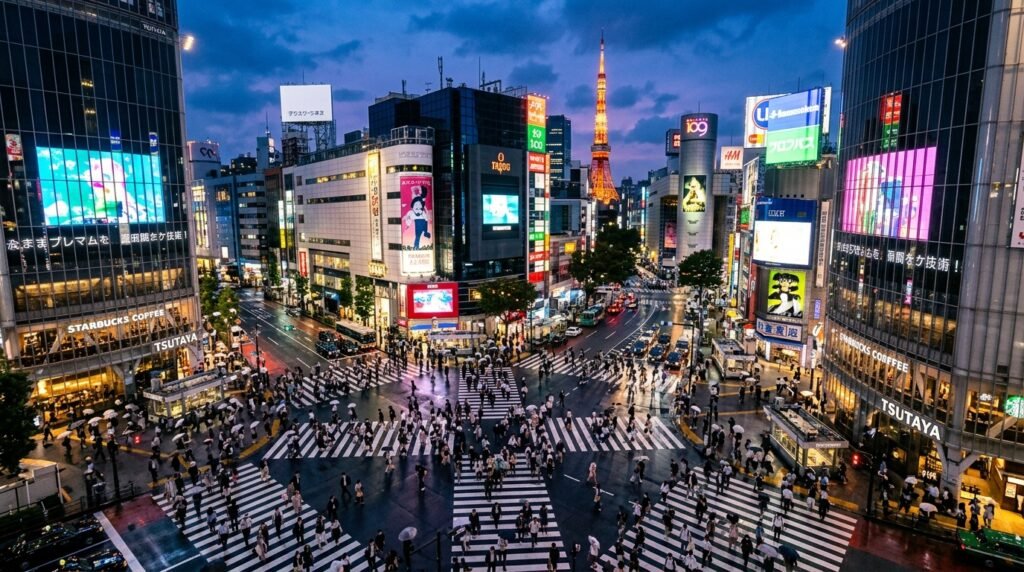
A well-structured Tokyo 3 day itinerary groups sights by geographic zone to minimise transit time across the world’s most populous metropolitan area. Spend Day 1 exploring historic eastern Tokyo across Asakusa, Ueno, and Akihabara before heading to Shinjuku’s neon alleyways. Dedicate Day 2 to dynamic western Tokyo, starting at Meiji Shrine and Harajuku, crossing the famous Shibuya scramble, and unwinding in Shimokitazawa or Ebisu. Use Day 3 for coastal and central Tokyo, taking in fresh seafood at Tsukiji Outer Market, immersive digital art, upscale Ginza, and Tokyo Station. This balanced route delivers historic temples, pop culture, culinary highlights, and modern skyline views without feeling rushed.
Quick Answer: Tokyo 3-Day Itinerary at a Glance
Three days allow first-time visitors to see Tokyo’s core districts by dedicating one day per geographic quadrant:
- Day 1 (Northeast & Shinjuku): Asakusa (Senso-ji), Ueno Park museums, Akihabara, and Shinjuku dining in Omoide Yokocho.
- Day 2 (West Tokyo): Meiji Jingu, Harajuku, Shibuya Crossing, Shibuya Sky, Shimokitazawa boutiques, and Ebisu.
- Day 3 (Central & Bay): Tsukiji Outer Market breakfast, teamLab Planets or Imperial Palace Gardens, Ginza, and Tokyo Station.
- Transit Base: Select accommodation along the JR Yamanote Line (Shinjuku, Shibuya, or Tokyo Station).
- Passes: Combine a digital IC card (Suica/Pasmo) with a Tokyo Subway 72-hour pass.
Last checked: October 2026. Transit fares, admission rates, and schedules reflect current verified policies.
Tokyo Travel Essentials: Transport, Connectivity, and Luggage
Some links in this guide are affiliate links. FlyFono may earn a commission if you book through them, at no extra cost to you. Recommendations are based on practical relevance, not commission.
Navigating Tokyo efficiently requires understanding the city’s separate rail networks, choosing suitable data connectivity, and managing luggage effectively.
Prepaid IC Cards vs Tokyo Subway Passes
Tokyo transit divides between JR East and thirteen underground subway routes operated by Tokyo Metro and Toei Subway. A prepaid contactless IC card (digital Suica or Pasmo on Apple Wallet, or a physical Welcome Suica) provides tap-and-go access across all transit operators. Pair this with a 72-hour Tokyo Subway ticket (¥1,500; also sold in 24-hour ¥800 and 48-hour ¥1,200 versions) for unlimited subway rides. Keep ¥2,000 on your IC card for JR lines and convenience stores.
Browse Tokyo activities and passes on Klook
Mobile Data: Pocket Wi-Fi vs Travel eSIM
Pocket Wi-Fi suits groups sharing data across multiple devices, but requires daily recharging and airport pickup. For solo travellers and couples, a travel eSIM installs in minutes via QR code, connects to domestic networks like NTT Docomo or SoftBank upon landing, and keeps your primary SIM active.
Check Japan eSIM options on Saily
Luggage Forwarding (Takkyubin)
Carrying large suitcases on crowded commuter trains is strenuous. Yamato Transport luggage forwarding (Takkyubin) ships bags between airports and hotels or across cities for approximately ¥1,800 to ¥2,800 per piece. Hotel front desks handle paperwork on site.
Where to Base Yourself
Stay within walking distance of the circular JR Yamanote Line. Shinjuku and Shibuya offer energetic dining and airport trains, while Tokyo Station and Ginza provide quieter streets and Shinkansen access. Review our neighborhood guide on where to stay in Tokyo.
Compare Tokyo accommodation on Trip.com
3-Day Tokyo Itinerary Overview Table
| Day | Morning | Afternoon | Evening | Key Transit |
|---|---|---|---|---|
| Day 1 | Senso-ji Temple & Nakamise-dori | Ueno Park & Akihabara | Tokyo Gov Building & Omoide Yokocho | Tokyo Metro Ginza Line, JR Yamanote |
| Day 2 | Meiji Shrine & Harajuku | Shibuya Crossing & Shibuya Sky | Shimokitazawa & Ebisu dining | JR Yamanote Line, Keio Inokashira Line |
| Day 3 | Tsukiji Market seafood breakfast | teamLab Planets or Imperial Palace | Ginza shopping & Tokyo Station Ramen | Tokyo Metro Hibiya Line, Toei Oedo Line |
Day 1: Historic Asakusa, Cultural Ueno, Akihabara, and Neon Shinjuku
Day 1 explores Tokyo’s traditional roots in the historic northeastern downtown before continuing through gaming subculture and Shinjuku’s evening skyline.
Morning: Senso-ji Temple and Nakamise-dori in Asakusa (08:30 – 11:00)
Start early at Senso-ji, Tokyo’s oldest temple, founded in 645 AD. Walk beneath the giant Kaminarimon lantern and explore Nakamise-dori for warm ningyo-yaki bean cakes and grilled rice crackers. Purify at the incense burner before visiting the five-story pagoda and quiet Asakusa Shrine.
Early Afternoon: Ueno Park and Cultural Museums (11:15 – 14:00)
Take the Ginza Line to Ueno. Walk through Ueno Park to visit the Tokyo National Museum (samurai armour and classical art; admission around ¥1,000). For lunch, head beneath the train tracks to Ameyoko market and enjoy crumbed pork cutlets at Tonkatsu Yamabe (budget ¥1,100 to ¥1,600).
Late Afternoon: Akihabara Electric Town (14:15 – 17:30)
Walk south to Akihabara, Tokyo’s center for anime, manga, and gaming. Browse Radio Kaikan and Mandarake for collectible figures, explore Yodobashi-Akiba for electronics, or collect gachapon capsule toys along side streets (¥300 to ¥500 each).
Evening: Shinjuku Observation Deck, Omoide Yokocho, and Golden Gai (18:00 – 21:30)
Ride the Chuo-Sobu Line to Shinjuku. Enjoy free panoramic skyline views from the Tokyo Metropolitan Government Building’s 45th-floor observation deck. Dine on yakitori skewers in Omoide Yokocho, then walk past Golden Gai’s historic micro-bars (note seating fees of ¥500 to ¥1,000).
Day 2: Meiji Shrine, Harajuku, Shibuya Scramble, and West Tokyo
Day 2 highlights western Tokyo, moving from sacred shrine forests and youth fashion avenues to Shibuya’s iconic crossing and relaxed vintage quarters.
Morning: Meiji Jingu Forest and Harajuku (08:30 – 11:30)
Enter Meiji Jingu’s 170-acre evergreen forest via towering cedar torii gates. View decorative sake barrels and rinse hands at the purification fountain before visiting the shrine pavilion. Exit into Takeshita Street for youth fashion and crepes, then stroll down Omotesando avenue.
Midday: Shibuya Crossing, Hachiko, and Shibuya Sky (11:45 – 14:45)
Follow Cat Street into Shibuya to greet the Hachiko statue and cross the famous Shibuya Scramble. Head up to Shibuya Sky for 360-degree open-air views (admission ¥2,200 to ¥2,500; book online in advance). For lunch, enjoy sushi at Katsumidori Seibu Shibuya or udon at Shin Udon (¥1,300 to ¥2,500).
Late Afternoon: Vintage Style in Shimokitazawa or Daikanyama (15:00 – 17:30)
Ride the Keio Inokashira Line six minutes to Shimokitazawa to explore vintage clothing boutiques, record stores, and third-wave cafes like Bear Pond. Alternatively, walk south to stylish Daikanyama to visit the landscaped Daikanyama T-Site bookstore.
Evening: Dining in Ebisu or Roppongi (18:00 – 21:30)
Take the Yamanote Line to Ebisu for dinner at Ebisu Yokocho, an indoor arcade serving gyoza and teppanyaki. Alternatively, visit Roppongi Hills for late admission to Mori Art Museum and night views of illuminated Tokyo Tower.
Day 3: Tsukiji Outer Market, teamLab, Ginza, and Tokyo Station
Day 3 balances authentic morning food stalls with digital art exhibitions, luxury shopping avenues, and Tokyo’s central rail terminal.
Morning: Seafood Breakfast at Tsukiji Outer Market (08:00 – 10:30)
Start early at Tsukiji Outer Market for breakfast. Savor sweet dashi tamagoyaki omelet skewers (¥150 to ¥200), grilled oysters, butter-seared scallops, and kaisendon seafood rice bowls topped with uni (¥2,200 to ¥4,500). Consume purchases near stalls, following local etiquette.
Midday: teamLab Planets or Imperial Palace East Gardens (11:00 – 14:00)
Choose between digital art and historic grounds. At teamLab Planets in Toyosu (¥3,800 to ¥4,200; book online in advance), walk barefoot through digital water projections and crystal light rooms. Alternatively, tour the free Imperial Palace East Gardens to view Edo Castle stone walls and traditional gardens (closed Mondays and Fridays).
Late Afternoon: Architecture and Shopping in Ginza (14:30 – 17:30)
Stroll through Ginza’s wide boulevards. Visit Ginza Six for boutique shopping and its public rooftop terrace. Browse basement depachika food halls at Mitsukoshi department store, and explore twelve floors of stationery and fountain pens at Ginza Itoya.
Evening: Tokyo Station Ramen Street and Character Street (18:00 – 21:00)
Walk to Tokyo Station to admire its restored 1914 red-brick facade. Head downstairs to Tokyo Ramen Street to taste rich dipping noodles at Rokurinsha or salt ramen at Hirugao (¥950 to ¥1,400). Finish by browsing Tokyo Character Street for Studio Ghibli and Pokémon souvenirs.
Best Tokyo Add-Ons if You Have Extra Days
If you have extra days, these scenic destinations sit within easy reach by regional rail:
Kamakura: Coastal Temples and Great Buddha
Located 60 minutes south via the JR Yokosuka Line. Features the 11-metre Great Bronze Buddha at Kotoku-in, sea views from Hase-dera, and bamboo paths at Hokoku-ji.
Nikko: UNESCO Shrines and Mountain Nature
Two hours north via Tobu Railway from Asakusa. Features the ornate UNESCO-listed Toshogu Shrine in mountain forests, Lake Chuzenji, and Kegon Falls.
Hakone: Hot Springs and Mount Fuji Views
Reachable in 85 minutes from Shinjuku via Odakyu Romancecar. Offers natural onsen hot springs, ropeway rides over Owakudani volcanic vents, and Lake Ashi cruises framing Mount Fuji.
Tokyo DisneySea: Unique Theme Park Experience
Situated in Urayasu (20 minutes from Tokyo Station). Offers maritime fantasy ports like Mysterious Island and Fantasy Springs, appealing to adults and families alike.
Planning an extended trip? Consult our 7-day Japan itinerary to combine Tokyo with Kansai highlights. Heading west? Check our route guide from Tokyo to Kyoto by Shinkansen bullet train, and review our cost comparison of the Japan Rail Pass vs individual tickets to calculate regional rail expenses accurately.
Best Tokyo Itinerary Option by Traveller Type
Adjust this framework to fit your travel style and preferences:
For Solo Travellers
Tokyo accommodates solo travellers easily with counter seating at ramen bars, practical business hotels (like Dormy Inn), and independent browsing in Akihabara and Harajuku.
For Couples and Culture Seekers
Prioritize quiet walks in Daikanyama, Omotesando architecture, sunset drinks at Shibuya Sky, and izakaya dining in Ebisu. Base yourselves in Ginza or Roppongi.
For Families with Children
Moderate the pace by swapping dense alleys for open spaces: visit teamLab Planets, see Odaiba’s giant Gundam statue, or replace Day 3 with a day at Tokyo DisneySea.
For Foodies and Culinary Explorers
Plan around dining milestones: morning seafood at Tsukiji Outer Market, reserved sushi or wagyu in Ginza, and evening skewers across Omoide Yokocho and Ebisu.
Common Mistakes to Avoid in Tokyo
Avoid these common transit and planning missteps during your first trip:
- Criss-crossing the metropolis: Tokyo spans vast distances. Crossing east and west repeatedly wastes hours. Group visits strictly by zone as outlined above.
- Confusing rail companies: JR East, Tokyo Metro, and Toei Subway use separate gates. Subway passes do not cover JR lines. Keep an IC card loaded for transfers.
- Skipping advance reservations: Shibuya Sky sunset times, teamLab Planets, and the Ghibli Museum sell out weeks early. Book online before departure.
- Bringing large luggage during rush hours: Commuter trains between 07:30 and 09:00 get crowded. Use Takkyubin luggage delivery between hotels or travel mid-day.
- Carrying zero cash: While cards work at convenience stores, small ramen kiosks, coin lockers, and temple fortune stands remain cash-only. Keep ¥5,000 to ¥10,000 in your wallet.
- Eating while walking: Walking while eating is seen as bad manners. Consume street food near stalls, and carry a small bag for personal trash.
Final Recommendation for Your 3-Day Tokyo Visit
A rewarding 3-day Tokyo trip relies on sensible pacing rather than checking off thirty sights. Grouping visits geographically lets you experience iconic landmarks like Senso-ji and Shibuya Crossing while preserving time to wander quiet lanes and enjoy local meals. Set up a digital IC card, choose a hotel along the Yamanote Line, and enjoy the rhythm of this dynamic city.
Frequently Asked Questions About Visiting Tokyo
Is 3 days enough for a first trip to Tokyo?
Three days provide sufficient time to experience Tokyo’s primary contrasts: historic shrines in Asakusa, youth culture in Harajuku, skyline views in Shibuya, and fresh seafood at Tsukiji. Grouping visits geographically lets you absorb key highlights comfortably.
How much daily budget should I plan for Tokyo?
A mid-range traveller should budget ¥10,000 to ¥18,000 per day (excluding accommodation). This covers subway travel (¥800 to ¥1,500), attractions like Shibuya Sky or teamLab (¥2,500 to ¥4,200), meals (¥3,500 to ¥6,000), and snacks. Budget travellers can manage on ¥5,000 to ¥7,500 daily by dining at noodle counters.
Should I buy a JR Pass for 3 days in Tokyo?
No. A nationwide Japan Rail Pass is not worthwhile solely for Tokyo. The 7-day pass costs ¥50,000 and requires multiple long-distance Shinkansen trips to pay off. Within Tokyo, local transit costs around ¥1,000 to ¥1,500 daily with an IC card and subway pass.
What is the best way to travel from Narita or Haneda Airport to central Tokyo?
From Haneda (HND), ride the Tokyo Monorail to Hamamatsucho (13 minutes, ¥500) or Keikyu Line to Shinagawa (15 minutes, ¥330). From Narita (NRT), take the JR Narita Express to Tokyo or Shinjuku (60–75 minutes, ¥3,070 to ¥3,250) or Keisei Skyliner to Ueno (36 minutes, ¥2,570).
Do I need to speak Japanese to navigate Tokyo easily?
No. Tokyo transit features English signage and numbered stations. Ticket kiosks offer English interfaces, and popular restaurants provide English or picture menus. Smartphone translation apps easily decipher signs and packaging.
Continue planning
Your most useful next steps
Move from reading to one clear travel decision.