
The practical takeaway
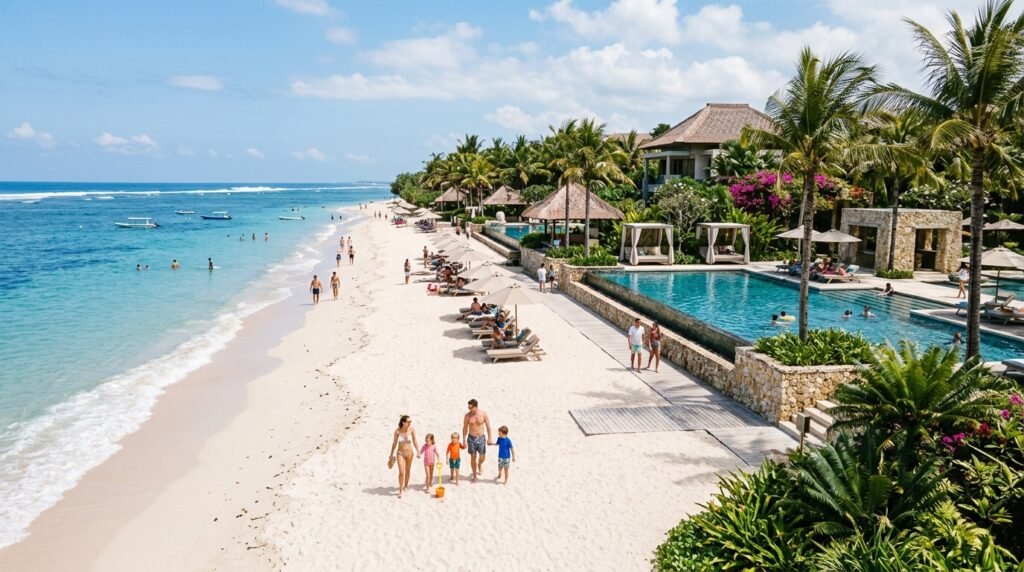
Deciding where to stay in Bali for the first time usually comes down to choosing between a beach base like Seminyak, Canggu or Nusa Dua, and the jungle setting of Ubud. Each area offers a completely different experience, pace, and type of…
Deciding where to stay in Bali for the first time usually comes down to choosing between a beach base like Seminyak, Canggu or Nusa Dua, and the jungle setting of Ubud. Each area offers a completely different experience, pace, and type of accommodation. Navigating these choices can be daunting, but understanding the distinct character of each neighborhood is the key to planning a successful trip.
Whether you are looking for serene rice paddies, vibrant nightlife, world-class surfing, or simply a quiet beach to relax with your family, Bali has an area tailored exactly to those needs. The island’s diverse geography means that an hour’s drive can completely change the landscape and the atmosphere of your surroundings.
For a first trip, the most practical approach is splitting your stay: spend three to four nights on the coast (such as Seminyak, Sanur or Canggu) to recover from jet lag, enjoy the beaches and experience the coastal dining scene, followed by three to four nights inland in Ubud to experience Bali’s culture, temples, cascading waterfalls and lush rice terraces.
If you only want one base to avoid the hassle of packing and unpacking, Seminyak is the safest overall choice for dining, shopping, and accessible day trips to both the north and the south. Conversely, Ubud is better as a single base if you prioritize culture, wellness, and nature over beach clubs and ocean views.
Some links in this guide are affiliate links. FlyFono may earn a commission if you book through them, at no extra cost to you. Recommendations are based on practical relevance, not commission.

Bali Area Comparison Overview
Bali is much larger than many first-time visitors realize. Getting between areas takes significant time due to heavy traffic, winding roads, and limited highway infrastructure. Here is a quick breakdown of the main hubs to help you start narrowing down your choices based on what you value most in a vacation.
| Area | Vibe | Best For | Beach Quality |
|---|---|---|---|
| Seminyak | Upscale, lively, convenient | Dining, beach clubs, first-timers | Good for sunsets, decent for swimming |
| Canggu | Trendy, digital nomad hub | Cafés, nightlife, surfing | Black sand, better for surfing than swimming |
| Ubud | Cultural, spiritual, inland jungle | Temples, yoga, rice terraces | None (inland) |
| Nusa Dua | Manicured, luxury resorts | Families, all-inclusive stays | White sand, calm water, excellent swimming |
| Sanur | Quiet, traditional, relaxed | Older travelers, families, boat trips | Calm water, long paved boardwalk |
| Uluwatu | Dramatic cliffs, scattered | Surfing, hidden beaches, views | Stunning coves, but requires steep stairs |
If you’re still early in your research and trying to figure out if this island is the right destination for you, checking our comprehensive guide on planning a trip to Bali is a great next step. Alternatively, if you are considering other global destinations for a tropical getaway, see our in-depth comparisons like Tulum vs Bali or Thailand vs Vietnam vs Bali to see how they stack up in terms of cost, culture, and beaches.
Seminyak: Restaurants, Beach Clubs and Convenience
Seminyak is often considered the most balanced area for first-time visitors. It effectively bridges the gap between the chaotic, hyper-developed energy of Kuta to the south and the hipster, digitally-nomadic vibe of Canggu to the north. If you want high-quality dining, extensive boutique shopping, and world-class beach clubs without feeling entirely disconnected from the broader Bali experience, Seminyak is a remarkably solid choice.
Accommodation in Seminyak is highly varied, ranging from massive luxury beachfront hotels to private pool villas tucked away down quiet, narrow lanes known as “gangs.” Staying in a private villa here is often surprisingly affordable compared to Western standards and provides a quiet oasis just steps away from the bustling main streets.
It is an incredibly convenient area, boasting reliable ride-hailing services and relatively easy access to Ngurah Rai International Airport. The beach itself is a long, sweeping stretch of dark golden sand, famous for spectacular sunsets and dotted with colorful beanbag bars where you can enjoy a Bintang beer as the sun goes down.
However, Seminyak is undeniably busy. The main arterial roads, such as Jalan Laksmana (commonly known as “Eat Street”) and Jalan Sunset Road, frequently suffer from severe gridlock, especially during the late afternoon and early evening. The area feels very developed and commercialized. It is absolutely not the place to go if you’re looking for untouched nature, quiet village life, or a deeply traditional Balinese atmosphere.
When you are ready to look at specific properties, you can Compare Bali accommodation by area on Trip.com to see the wide range of villas and resorts available in Seminyak.

Canggu: Cafés, Surfing and Nightlife
Canggu has exploded in popularity over the last decade, transforming rapidly from a sleepy, rural surfing village into a bustling, energetic hub for digital nomads, expats, and young travelers. The vibe here is noticeably trendier, more alternative, and more health-conscious than Seminyak, focusing heavily on highly aesthetic cafes, specialized fitness centers, and late-night underground parties.
If your ideal day involves catching a wave during a morning surf session, brunching on artisan avocado toast and beautifully crafted smoothie bowls, working out at a boutique gym or yoga studio, and ending the night at a sprawling beach club or a hidden speakeasy, Canggu is exactly where you belong. The beaches in this area—principally Batu Bolong, Echo Beach, and Berawa—feature dark volcanic sand and are renowned for their excellent surf breaks rather than calm swimming waters. In fact, swimming here can sometimes be dangerous due to strong undercurrents and large swells.
The major drawback of Canggu is the traffic situation, which can be immensely frustrating. The local road infrastructure has simply not kept pace with the explosive rate of development, leading to severe, sometimes hours-long bottlenecks, particularly around the famous (and infamous) “Canggu Shortcut.” Furthermore, the area can feel quite Westernized; you will see more oat milk lattes than traditional warungs, which might disappoint those seeking a highly authentic Indonesian cultural experience.
If you are traveling on a strict budget or looking for a highly social atmosphere to meet other travelers in Canggu, you can Compare Bali hostels and budget stays to find the best spots that match your vibe.
Ubud: Culture, Wellness and Inland Scenery
Located in the lush, rolling central foothills of the island, Ubud is widely recognized as the cultural and spiritual heart of Bali. It offers an experience that is entirely different from the bustling coastal towns, swapping ocean views and beach clubs for dramatic, plunging river valleys, cascading emerald rice terraces, and dense, ancient jungle. Ubud is internationally synonymous with holistic yoga retreats, raw and vegan food cafes, traditional art markets, and elaborate, moss-covered Hindu temples.
Staying in Ubud provides much easier access to some of Bali’s most famous natural and cultural attractions. From here, you are perfectly positioned to visit the Sacred Monkey Forest Sanctuary, the iconic Tegallalang Rice Terrace, the Tirta Empul water temple, and numerous spectacular waterfalls like Tegenungan and Kanto Lampo. It is a fantastic base for nature lovers, artists, and those seeking a slower, more mindful pace to their holiday.
Accommodation spans a massive spectrum, from cheap, family-run guesthouses (homestays) that offer a glimpse into local life, to some of the most luxurious and architecturally stunning secluded jungle resorts in the world.
However, it is important to note that the very center of Ubud (around Ubud Palace and the main market) can get incredibly congested with buses full of day-trippers. Because of this, many frequent visitors prefer to stay slightly outside the main town in quieter, surrounding villages like Penestanan, Sayan, or Nyuh Kuning for true peace and quiet. Keep in mind that Ubud has no beaches whatsoever, and reaching the coast or the airport takes at least 90 minutes to two hours, depending heavily on the traffic on the narrow arterial roads.
Nusa Dua: Resorts and Families
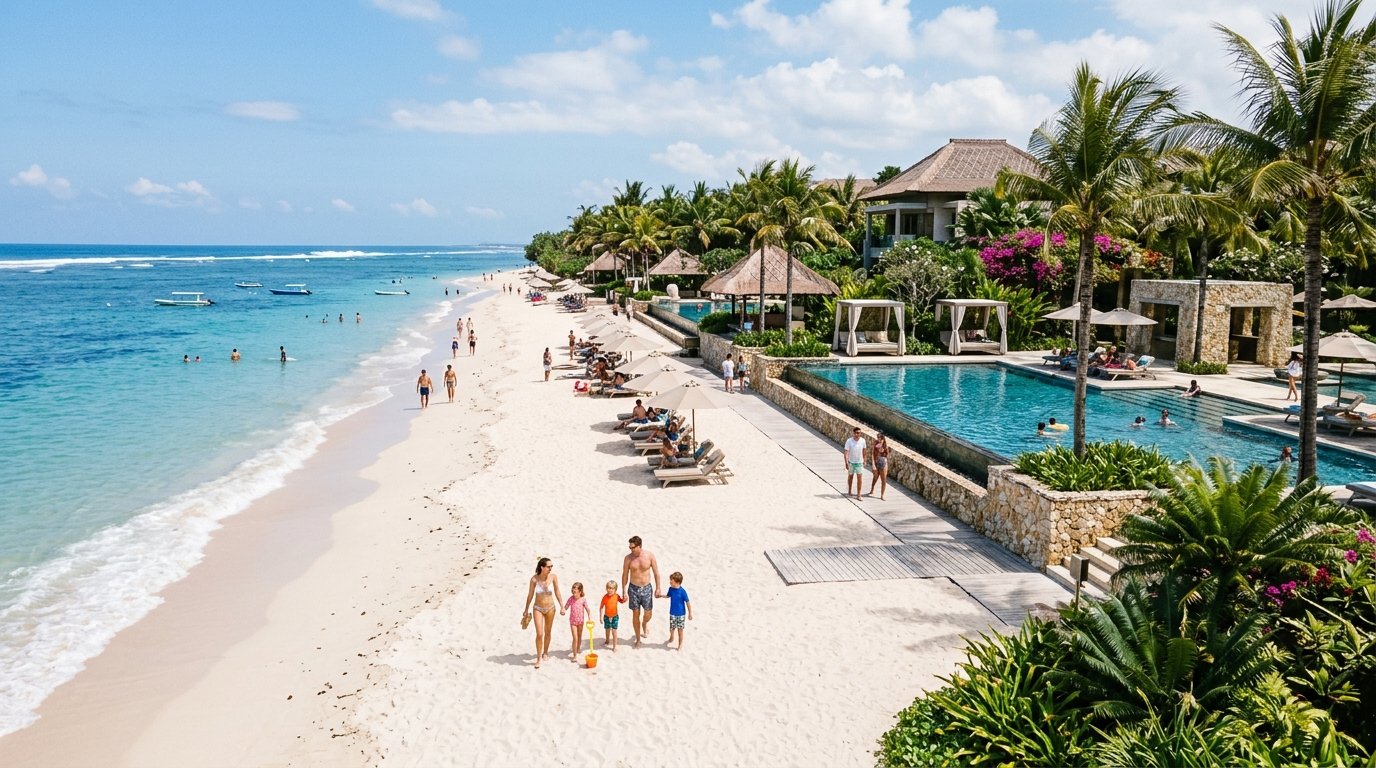
Nusa Dua, located on the eastern side of the southern Bukit Peninsula, is a sprawling, purpose-built tourism enclave designed specifically for luxury, security, and total relaxation. If you are looking for perfectly manicured lawns, spotless streets, pristine white-sand beaches, and large international five-star resorts, this is unequivocally the area to choose.
It is widely and rightly considered the best area in Bali for families with young children, or for travelers who simply want a stress-free, resort-style holiday where everything is taken care of. The beaches in Nusa Dua are protected by a natural offshore reef, meaning the water near the shore is typically calm, shallow, and extremely safe for swimming—a relative rarity in Bali where strong surf and unpredictable rip currents are otherwise very common.
The primary trade-off for this pristine, highly controlled environment is a distinct lack of local flavor. Nusa Dua feels somewhat isolated from the “real” Bali that exists outside its security gates. Dining options outside the major resorts are somewhat limited and generally more expensive than in areas like Sanur or Seminyak. If your primary goal is deep cultural immersion, street food, and experiencing local village life, Nusa Dua will likely feel far too sanitized and artificial.
Before booking any snorkeling excursions, boat trips, or cultural tours from your Nusa Dua resort, be sure to Compare Bali activities and transport options to find reputable operators at competitive prices.
Sanur: Calmer Beach Base and Boat Connections
Sanur is often affectionately (and somewhat unfairly) referred to as “Snore” by the younger expat crowd, but this reputation for being quiet, peaceful, and unhurried is exactly its greatest appeal. Located on the southeastern coast, it was actually one of Bali’s very first tourist resort areas. Over the decades, it has managed to maintain a remarkably relaxed, traditional village-like atmosphere despite its steady growth and the addition of modern amenities.
The defining feature of Sanur is its long, continuous, paved beachfront promenade. This path is ideal for safe cycling, jogging, or simply taking a long evening walk—activities that are almost impossible on the crowded, narrow streets of Seminyak or Canggu.
The beach itself boasts calm, shallow waters thanks to a distant reef, making it excellent for families with toddlers or older travelers who want a gentle swim. Furthermore, Sanur serves as the primary launch pad for the fast boats heading to the nearby Nusa Islands (Nusa Penida, Nusa Lembongan) and the popular Gili Islands, making it a highly strategic base if island-hopping is on your itinerary.
While Sanur definitely lacks the trendy, high-energy beach clubs and intense nightlife of the west coast, it offers a wealth of excellent, reasonably priced local restaurants (warungs), night markets, and a much more authentic, community-focused feel than the resort bubble of Nusa Dua.
Uluwatu: Beaches, Views and Spread-Out Accommodation
Uluwatu sits dramatically on the rugged, elevated southwestern tip of the Bukit Peninsula. It is world-famous for its towering limestone cliffs, legendary, professional-grade surf breaks, and some of the most spectacular, uninterrupted ocean views in all of Southeast Asia. The beaches here—such as Bingin, Padang Padang, Dreamland, and Thomas Beach—are arguably the most beautiful and photogenic on the island, featuring powdery white sand and vibrant turquoise water tucked into hidden, rocky coves.
Historically, Uluwatu has had a very laid-back, bohemian, hardcore surf vibe. However, it has seen significant, highly upscale development in recent years, with a proliferation of luxury cliffside villas, high-end boutique hotels, and massive, globally recognized day clubs like Savaya and Single Fin. Because the area is geographically very spread out and characterized by steep, hilly terrain, getting around absolutely requires a scooter or relying on hired drivers; it is definitely not a walkable destination in any sense.
A crucial detail to consider is that accessing most of these stunning beaches usually involves navigating steep, uneven, and sometimes slippery stairs carved directly into the cliff faces. This physical requirement means the area may not be suitable for young children, the elderly, or anyone with mobility issues.
Kuta and Legian: Convenience, Nightlife and Trade-Offs
Kuta is without a doubt the most famous (and often infamous) tourist area in Bali. Located just north of the airport, it is widely known for its long, wide, sandy beach, an abundance of cheap accommodation, bustling, maze-like markets, and wild, raucous nightlife. Legian, situated immediately to Kuta’s north, offers a slightly more subdued, marginally more upscale version of the Kuta experience while maintaining the same general atmosphere.
These areas offer unbeatable convenience, incredibly easy and fast airport access, and a dense concentration of highly budget-friendly hotels, massive, air-conditioned shopping malls (like Beachwalk), and family-friendly attractions like the Waterbom water park. For younger travelers explicitly prioritizing cheap drinks and nightlife, or those traveling on very strict, shoestring budgets, Kuta and Legian remain immensely popular choices.
However, the trade-offs are significant. The incredibly heavy traffic, the relentless presence of hawkers trying to sell goods on the beach, and the intense, often overwhelming crowds make it the absolute least relaxing option for a tropical holiday. For a first-time visitor looking to experience the true beauty, culture, and tranquility of Bali, almost any other area will generally provide a much better, more memorable introduction to the island.
Best Area by Traveler Profile
Different types of travelers will naturally gravitate toward different parts of the island based on their priorities. Here is a quick, practical guide to matching your specific travel style with the right Bali neighborhood.
- Best area for couples: Seminyak offers the best overall mix of romantic, high-end dining, chic sunset drinks, and private pool villas that are perfect for couples. However, for couples wanting deep seclusion, romance, and immersion in nature, the luxury boutique resorts nestled in the jungles surrounding Ubud are truly hard to beat.
- Best area for families: Nusa Dua is entirely unmatched for overall safety, impeccably clean streets, calm swimming waters, and expansive resorts featuring dedicated kids’ clubs. Sanur is a very close second, offering a slightly more local, authentic feel while still retaining calm beaches and a highly convenient, pedestrian-friendly beachfront promenade.
- Best area for solo travelers: Canggu is the ultimate hotspot for solo travelers right now, particularly those interested in the digital nomad lifestyle. It is incredibly easy to meet people in the numerous co-working spaces, cafes, and vibrant hostels. If you are traveling solo in Asia for the first time, Bali (and specifically Canggu or Ubud) is one of the safest and easiest entry points.
- Best area for budget travelers: While you can find cheap guesthouses almost everywhere on the island if you look hard enough, Kuta, Legian, and parts of central Ubud offer the highest density of affordable hostel beds, cheap local warung eats, and inexpensive transport options.
Best Base for a Short First Visit
If you only have four or five days in Bali, do not attempt to split your stay between multiple areas. The logistics will eat up too much of your precious vacation time. Choose one base and do a targeted day trip if necessary. Seminyak is usually the most strategic single base for a short first visit. It offers an immediate, palpable holiday feel with its beach clubs, boutiques, and diverse restaurants, and you can easily book a full-day tour to see Ubud’s temples, waterfalls, and rice terraces without having to move your luggage.
When a Split Stay Makes Sense
For trips lasting a week or more, a split stay is highly recommended and is the best way to see the island’s contrasts. The classic, most popular combination is spending three to four nights on the coast (Seminyak, Canggu, or Sanur) paired with three to four nights inland (Ubud). This balanced itinerary provides a comprehensive overview of Bali’s diverse landscapes and vibes. When moving between these bases, many savvy travelers hire a private driver for the entire day, effectively turning what would be a boring transit day into a customized sightseeing tour of central Bali’s temples, coffee plantations, and waterfalls.
Transport and Traffic Considerations
It is genuinely impossible to overstate how significantly traffic impacts a Bali itinerary. The island’s road network consists largely of narrow, winding lanes originally designed for a much smaller population and far fewer cars. Distances that look incredibly short on a map can take an excruciatingly long time to drive in reality.
For example, travel times between Seminyak and Ubud can range anywhere from 1.5 to over 3 hours, depending entirely on the time of day, local ceremonies, and current congestion. Do not expect exact driving times provided by mapping apps to act as guarantees; you must always build significant buffer time into your daily schedule. For critical journeys, like airport transfers (especially when departing), it is incredibly wise to Check private Bali airport transfers well in advance to avoid last-minute panic and stress.
Common Booking Mistakes
First-time visitors often make the mistake of severely overbooking their itinerary. Planning to stay in four different areas over a standard ten-day trip will inevitably result in spending half your vacation sitting stressed out in the back of a taxi in gridlock traffic.
Another very common error is assuming all Bali beaches feature pristine white sand and calm, crystal-clear water; the reality is that the popular west coast (Seminyak, Canggu) has dark volcanic sand and strong, pounding surf, while the white sand and calm waters are mostly found in Nusa Dua, Sanur, and the hidden coves of the Bukit Peninsula.
Finally, not arranging reliable cellular data before or immediately upon arrival is a mistake that makes navigating and ordering transport very difficult. We strongly recommend sorting out your connectivity beforehand; our guide on the best eSIM for travel covers the absolute easiest, most cost-effective ways to ensure you stay online the moment you land. Furthermore, utilizing tools such as our trip planner and our dedicated realistic trip budget calculator will ensure you stay within your limits.
Suggested Choices Based on Trip Length
How long you actually have on the island should strongly dictate your geographic spread. Keep things simple to maximize your time actually enjoying the destination rather than traveling within it.
- Three Nights: Pick one single base. Seminyak or Sanur are ideal for minimizing transit time from the airport while offering immediate, accessible holiday vibes and great dining.
- Five Nights: Still best as a single base, but you now have enough time for a dedicated, full-day trip to Ubud or Uluwatu. Alternatively, you could spend all five nights completely immersed in Ubud if your priority is culture, wellness, and nature over beaches.
- Seven Nights: This is the perfect length for a standard two-base split. Do four nights enjoying the coast in Seminyak or Canggu, followed by three relaxing nights inland in Ubud.
- Ten Nights: A ten-night trip comfortably allows for a diverse three-base itinerary. Consider three nights in Seminyak for shopping and dining, three nights in Ubud for culture and jungle scenery, and three nights in Uluwatu for dramatic cliffs and stunning beaches, or Sanur for a quiet coastal finish.
Final Decision Table
To summarize the options, here is a quick cheat sheet for making your final decision on where to base yourself in Bali.
| If you want… | Then stay in… |
|---|---|
| Hip cafes, world-class surfing, and late nights | Canggu |
| Upscale dining, boutique shopping, and famous beach clubs | Seminyak |
| Lush jungle views, yoga retreats, and deep cultural immersion | Ubud |
| Safe swimming, manicured streets, and luxury resorts for the family | Nusa Dua |
| Dramatic, soaring cliffs, high-end day clubs, and hidden white-sand beaches | Uluwatu |
| A quiet, traditional coastal town with a great pedestrian path | Sanur |
Frequently Asked Questions
Is it better to stay in Seminyak or Ubud?
It depends entirely on what you want out of your vacation. Seminyak is a bustling coastal hub known for upscale beach clubs, sunset cocktails, and fine dining by the ocean. Ubud is located centrally inland in the lush jungle, known for yoga, Hindu temples, and cascading rice terraces. Because they are so different, most first-time visitors try to spend a few days in both to get a complete picture of Bali.
Do I need a scooter to get around Bali?
While renting a scooter is undeniably the most efficient way to bypass Bali’s notorious, heavy traffic, it is only recommended for highly experienced riders who hold a valid international driving permit with a motorcycle endorsement. The roads are extremely chaotic, rules are often treated as suggestions, and accidents involving tourists are unfortunately very common. If you aren’t an experienced rider, simply rely on cheap ride-hailing apps like Gojek or Grab, or hire a private driver for full-day trips.
Is Bali expensive?
Bali is unique because it truly caters to all budgets simultaneously. You can easily eat a delicious, filling meal at a local warung for $2 and sleep in a clean guesthouse for $15 a night. Conversely, you can easily spend hundreds of dollars on fine dining and thousands of dollars a night on a sprawling luxury cliffside villa. Areas like Nusa Dua, Seminyak, and Uluwatu tend to be significantly pricier overall, while Kuta, Legian, and parts of central Ubud offer far more budget-friendly options.
Conclusion
Choosing exactly where to stay in Bali for your first trip doesn’t have to be a stressful or overwhelming process. If you want a bit of everything—great food, excellent shopping, and beautiful beach sunsets—Seminyak is undoubtedly your safest and most balanced bet. If you crave trendy cafes, fitness culture, and surfing, head straight to Canggu. For a deep, meaningful dive into Bali’s spiritual side and lush inland landscapes, Ubud is entirely unmatched.
And if you are traveling with family and simply want to relax in luxury by calm, safe waters, Nusa Dua or Sanur will serve you perfectly. Remember to always factor in unpredictable travel times, consider a split stay if you have a week or more to explore, and most importantly, embrace the island’s unique, sometimes chaotic, but always beautiful pace (checked August 2026).
Continue planning
Your most useful next steps
Move from reading to one clear travel decision.