
The practical takeaway
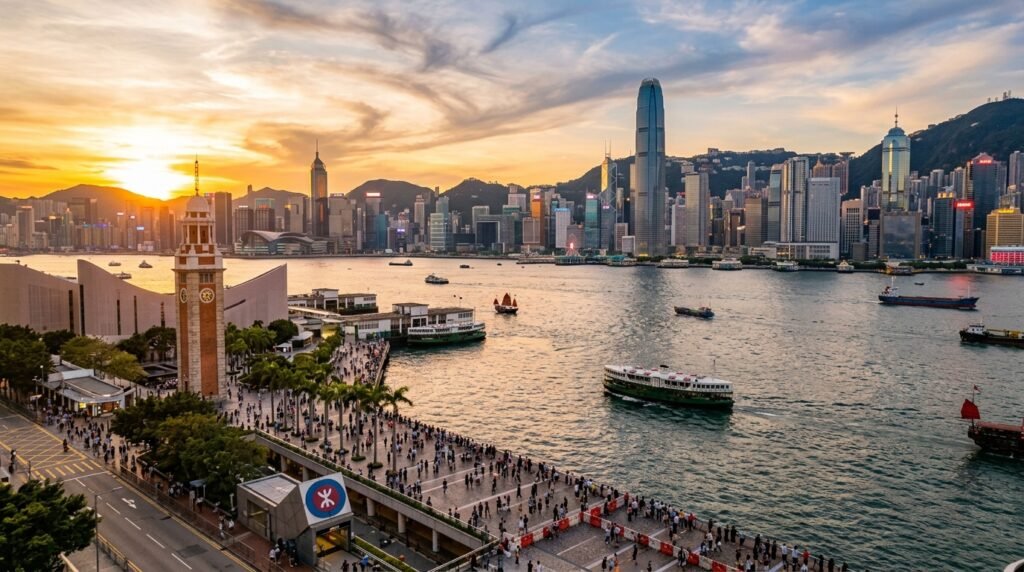
If you are wondering exactly where to stay in Hong Kong, the best areas for first-time visitors are Tsim Sha Tsui and Central because of their incredible transport links, iconic skyline views, and high concentration of world-class dining. Choosing the right neighbourhood…
If you are wondering exactly where to stay in Hong Kong, the best areas for first-time visitors are Tsim Sha Tsui and Central because of their incredible transport links, iconic skyline views, and high concentration of world-class dining. Choosing the right neighbourhood is essential to maximising your time in this fast-paced metropolis, as getting from one side of the harbour to the other during peak hours can eat into valuable sightseeing time.
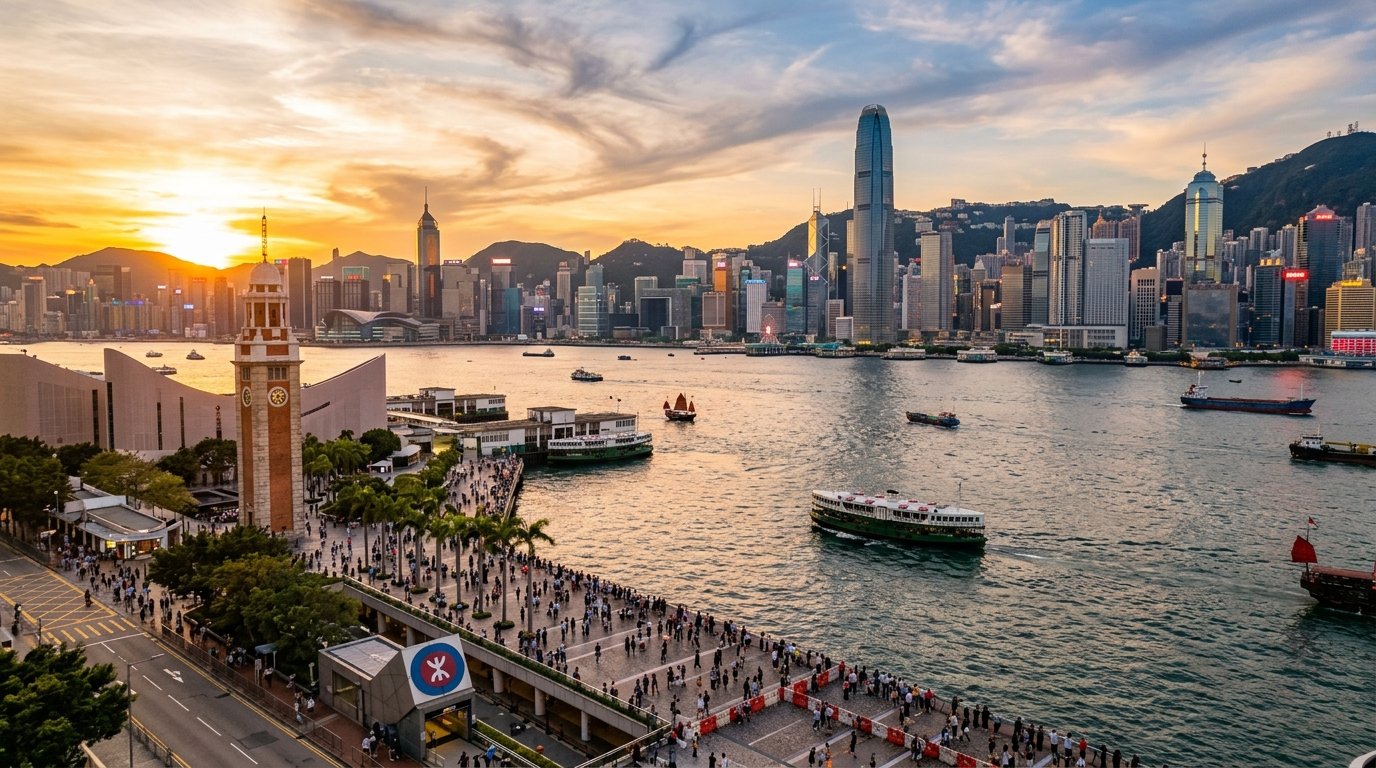
This guide compares the most convenient and exciting districts, whether you are looking for bustling street markets, high-end luxury, or quiet pockets of culture. We have analysed options across both Kowloon and Hong Kong Island, keeping proximity to the MTR top of mind. By August 2026 standards, the city’s hotel landscape has adapted to offer something for every budget and travel style.
Some links in this guide are affiliate links. FlyFono may earn a commission if you book through them, at no extra cost to you. Recommendations are based on practical relevance, not commission.
Ready to start looking? Compare Hong Kong accommodation by area to find the best rates for your travel dates.
Table of Contents
- Hong Kong Areas Comparison
- Where to Stay in Hong Kong for a First Visit
- Tsim Sha Tsui: The Best Area to Stay in Hong Kong Overall
- Central: Best for Luxury and Dining
- Wan Chai and Causeway Bay: Best for Shopping
- Mong Kok and Yau Ma Tei: Best for Street Markets
- Sheung Wan: Best for Boutique Vibes
- Lantau and Airport-Area Hotels: Best for Layovers
- Hong Kong Island vs Kowloon
- Best Area for Couples
- Best Area for Families
- Best Area for Solo Travellers
- Best Area for Budget Travellers
- Best Area for Nightlife
- Best Area for Airport Access
- Why MTR Proximity Matters
- Common Hotel-Booking Mistakes
- Final Decision Table
- Frequently Asked Questions
- Conclusion
Hong Kong Areas Comparison
Before diving into the specifics of each neighbourhood, it is helpful to have a broad overview of what each distinct district brings to the table. From the neon-drenched streets of Kowloon to the sophisticated hills of Hong Kong Island, every area has a unique character.
| Area | Vibe | Best For | Price Range |
|---|---|---|---|
| Tsim Sha Tsui | Bustling, Scenic | First-time visitors, sightseeing | Medium to High |
| Central | Sophisticated, Fast-paced | Business, luxury, fine dining | High |
| Mong Kok | Energetic, Crowded | Markets, street food, budget | Low to Medium |
| Wan Chai | Dynamic, Historic | Nightlife, dining, shopping | Medium |
| Causeway Bay | Retail-focused, Busy | Shopaholics, families | Medium to High |
| Sheung Wan | Trendy, Relaxed | Cafes, antique shops | Medium |
Where to Stay in Hong Kong for a First Visit
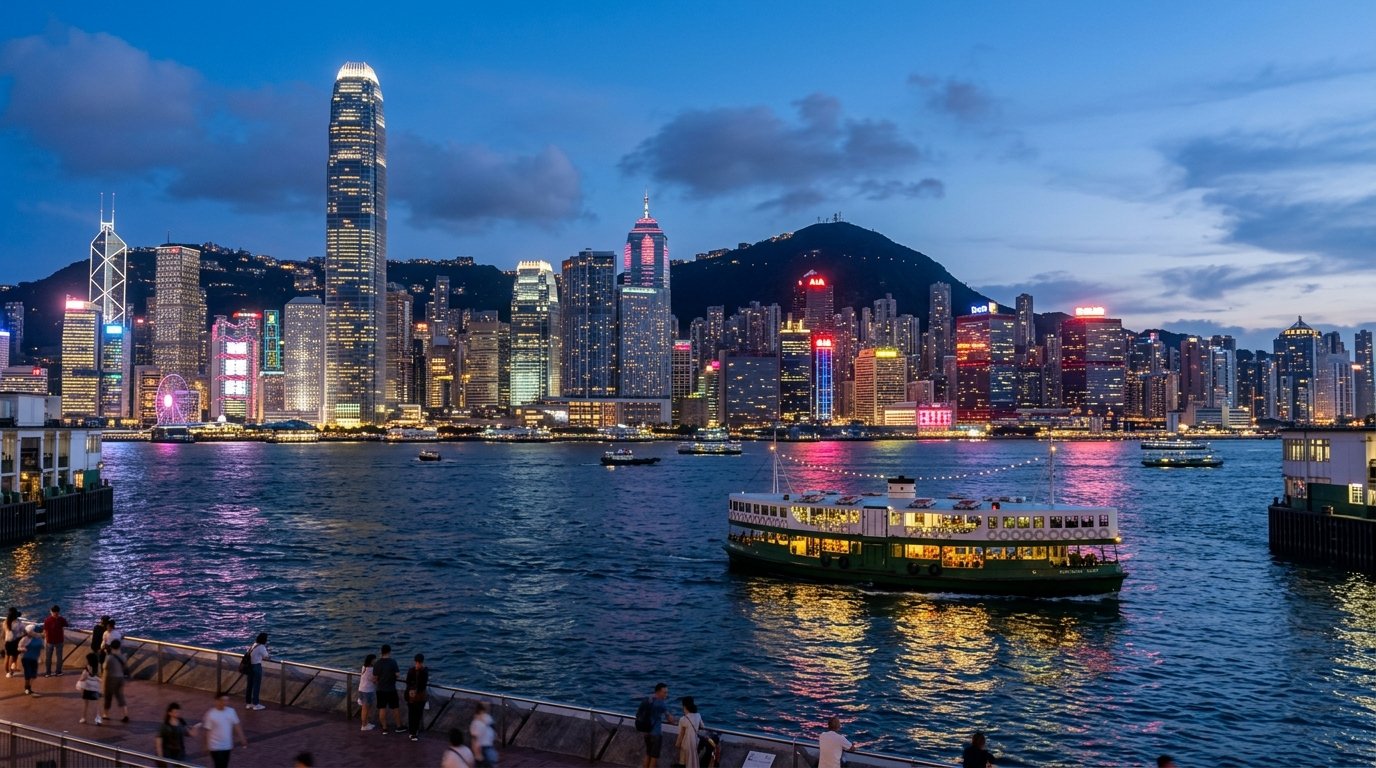
If it is your first time in the city, you want to be right in the middle of the action without being overwhelmed by complicated transit routes. The undisputed champions for newcomers are Tsim Sha Tsui (often abbreviated to TST) and Central. Both locations offer spectacular harbour views and immediate access to the Star Ferry, which is arguably the most romantic and iconic way to traverse Victoria Harbour.
Choosing between the two usually comes down to preference: do you want to look at the famous skyline (stay in TST) or be inside it (stay in Central)? Regardless of your choice, a solid trip planner strategy involves booking accommodation within a five-minute walk of an MTR station.
Tsim Sha Tsui: The Best Area to Stay in Hong Kong Overall
Tsim Sha Tsui, located at the southern tip of the Kowloon Peninsula, is widely considered the best place to stay in Hong Kong for tourists. It offers unparalleled views of the Hong Kong Island skyline, particularly at 8:00 PM when the Symphony of Lights illuminates the buildings.
The neighbourhood is packed with museums, luxury malls like Harbour City, and diverse dining options ranging from Michelin-starred dim sum to casual noodle shops. For those exploring beyond the city, the nearby West Kowloon station provides high-speed rail links.
While hotels here can be pricey, the convenience is unbeatable. If you are comparing destinations in the region, such as Singapore vs Kuala Lumpur, you will find TST offers a density of attractions that rivals the core tourist zones of any major Asian metropolis.
Central: Best for Luxury and Dining
Directly across the harbour lies Central, the historic and financial heart of Hong Kong. Staying here means you are surrounded by towering skyscrapers, sophisticated expatriate hangouts, and some of the best restaurants in Asia. It is also the gateway to the Mid-Levels Escalator and the Peak Tram.
Central is ideal for travellers who appreciate luxury and convenience. The Lan Kwai Fong (LKF) and Soho districts are just up the hill, offering endless entertainment once the sun goes down. If you want to dive deeper into the city’s offerings, consider checking out the official Hong Kong Tourism Board for up-to-date event listings.
Keep in mind that Central is built on a steep incline. Walking from your hotel to nearby attractions might involve a significant uphill trek, which is something to consider if mobility is a concern.
Wan Chai and Causeway Bay: Best for Shopping
Just east of Central, Wan Chai and Causeway Bay form a massive, interconnected retail and entertainment hub. Causeway Bay is legendary for its shopping; it boasts some of the highest retail rents in the world, filled with towering department stores like SOGO and endless boutiques.
Wan Chai, historically known for its red-light district, has gentrified significantly. Today, it offers a fascinating mix of heritage sites, trendy bars, and fantastic local eateries. It is a slightly more affordable alternative to Central while keeping you on the desirable Hong Kong Island side.
Whether you are hunting for high fashion or bargain electronics, this district has it all. Just be prepared for the crowds, especially on weekends when half the city seems to descend on the area.
Mong Kok and Yau Ma Tei: Best for Street Markets
If you crave the quintessential, chaotic Hong Kong experience depicted in movies, head north into Kowloon to Mong Kok and Yau Ma Tei. This area is famously one of the most densely populated places on earth, pulsing with neon lights, street food stalls, and sensory overload.
This is where you will find the Ladies’ Market, the Temple Street Night Market, and the Sneaker Street. Accommodation here leans towards mid-range and budget, making it a fantastic base for backpackers and younger travellers.
If you are travelling on a shoestring, this is the area to Compare Hong Kong hostels and budget stays. The vibe is gritty, authentic, and utterly unforgettable.
Sheung Wan: Best for Boutique Vibes
West of Central lies Sheung Wan, a neighbourhood that beautifully bridges the gap between old and new. Here, traditional dried seafood markets and ancient temples sit comfortably alongside third-wave coffee shops and contemporary art galleries.
Sheung Wan is quieter than Central but just as convenient, served by its own MTR station and the historic tram line (the “Ding Ding”). It is perfect for travellers who want a more relaxed, bohemian atmosphere without sacrificing location.
Hotels in Sheung Wan tend to be stylish boutiques rather than massive luxury chains, catering to a younger, design-conscious demographic.
Lantau and Airport-Area Hotels: Best for Layovers
If you are only in town for a quick 24-hour layover, staying near Hong Kong International Airport on Lantau Island might be your best bet. The airport is remarkably well-connected, but saving the 30-40 minute commute each way can be a relief after a long flight.
Lantau itself offers incredible attractions, including the Tian Tan Buddha (Big Buddha), the Ngong Ping 360 cable car, and Hong Kong Disneyland. For a detailed breakdown of transit options, consult our comprehensive Hong Kong Airport to city guide.
Keep in mind that if your goal is vibrant nightlife or extensive shopping, Lantau will feel too isolated.
Hong Kong Island vs Kowloon
The eternal debate for anyone deciding where to stay in Hong Kong is whether to base themselves on Hong Kong Island or the Kowloon Peninsula. The good news is that the Star Ferry and MTR make crossing the harbour incredibly easy, so you are never truly cut off from either side.
Hong Kong Island (Central, Wan Chai, Causeway Bay) generally feels more Westernised, heavily influenced by the city’s colonial past and current status as a global financial hub. The terrain is hilly, and the atmosphere is often fast-paced and upscale.
Kowloon (Tsim Sha Tsui, Mong Kok) feels more traditionally Chinese. It is flatter, more chaotic, and offers the absolute best views looking back at the island’s skyline. For a first visit, Kowloon often provides the “classic” Hong Kong experience most tourists expect.
Best Area for Couples
Couples seeking a romantic getaway should look no further than Central or Tsim Sha Tsui. For luxury and world-class dining, Central’s upscale hotels offer impeccable service and stunning harbour views. Many properties feature rooftop bars perfect for evening cocktails.
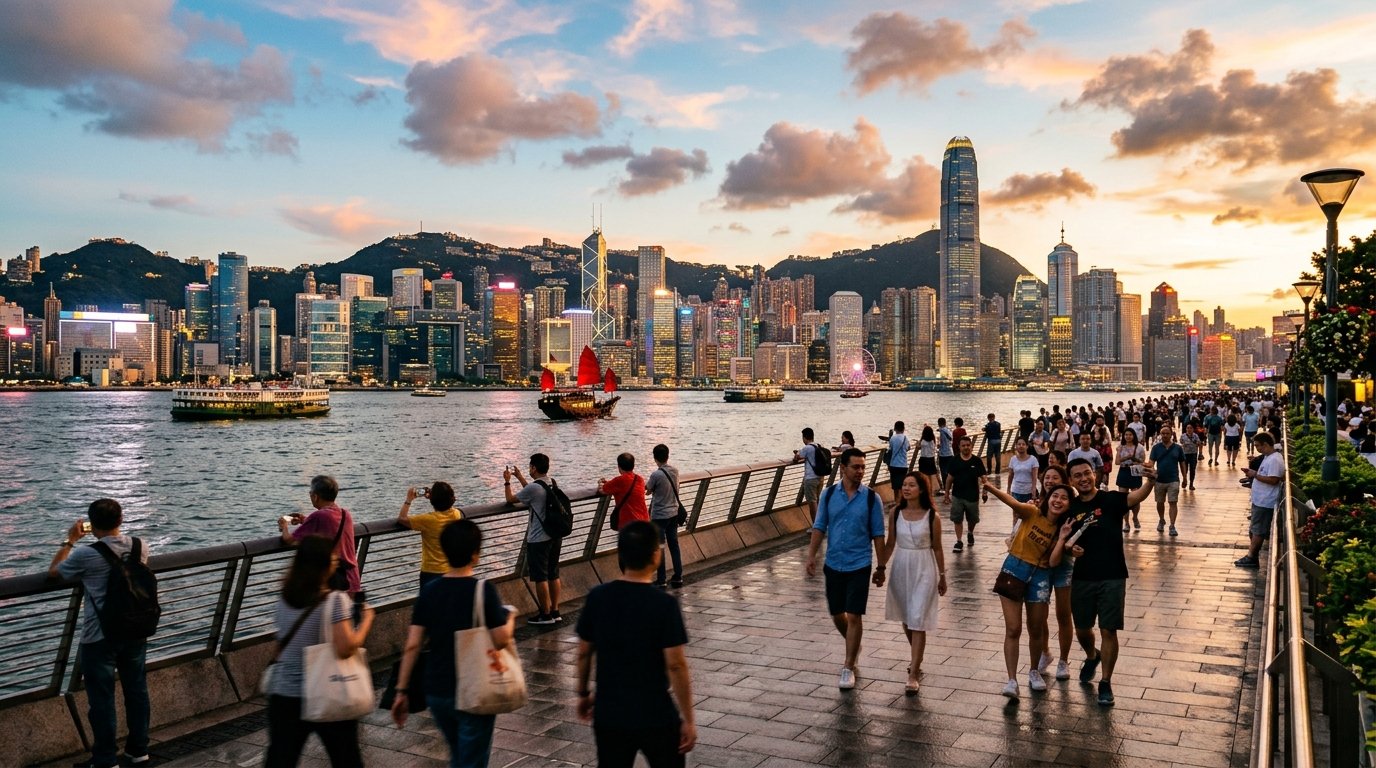
Alternatively, the promenade in Tsim Sha Tsui provides a highly romantic setting for evening strolls. Booking a hotel with a harbour-view room here guarantees breathtaking vistas from the privacy of your own space.
Best Area for Families
Travelling with children requires careful planning. Causeway Bay is excellent for families because of its large, stroller-friendly shopping malls and proximity to Victoria Park, a massive green space perfect for letting kids run off energy.
Tsim Sha Tsui is also highly recommended due to its flat terrain (unlike the steep hills of Central) and easy access to family-friendly attractions like the Hong Kong Science Museum and the Space Museum. To make the most of your family trip, use a trip budget calculator to manage costs in this notoriously expensive city.
Best Area for Solo Travellers
For those undertaking solo travel in Asia, Hong Kong is remarkably safe and easy to navigate. Mong Kok and Yau Ma Tei are fantastic for solo adventurers looking for budget accommodation and immediate access to cheap, delicious street food.
Wan Chai is another excellent option. It offers a lively atmosphere where it is easy to meet other travellers in the numerous bars and pubs, yet remains very safe to walk around at night.
Best Area for Budget Travellers
Hong Kong is notoriously expensive, but budget travellers can find value in areas like Mong Kok, Yau Ma Tei, and Sham Shui Po. These neighbourhoods offer a high concentration of hostels, budget guesthouses, and affordable local dining options (cha chaan tengs).
While the rooms will be undeniably small—space is at a premium in Hong Kong—you will spend most of your time exploring anyway. Keep your connectivity costs low by picking up the best eSIM for travel before you arrive, or Check Hong Kong eSIM options directly.
Best Area for Nightlife
If nightlife is a priority, Central is the undisputed king. Lan Kwai Fong (LKF) is a small square of streets bursting with bars, clubs, and late-night revelry. Just slightly up the hill, Soho offers a slightly more sophisticated bar and restaurant scene.
Staying in Central means you do not have to worry about catching the last MTR train home or navigating night buses after a few drinks. You can simply walk (or stumble) back to your hotel.
Best Area for Airport Access
The Airport Express train is incredibly efficient, whisking passengers from the airport to the city centre in under 25 minutes. Therefore, the best areas for airport access are those near the Airport Express stations: Tsing Yi, Kowloon (near Tsim Sha Tsui), and Hong Kong (in Central).
Hotels situated directly above or adjacent to the Kowloon and Hong Kong MTR stations offer the ultimate convenience, often providing free shuttle services to and from the terminals.
Why MTR Proximity Matters
Hong Kong’s Mass Transit Railway (MTR) is one of the most efficient, clean, and comprehensive public transport systems in the world. When deciding where to stay in Hong Kong, proximity to an MTR station should be your number one logistical priority.
The city’s notorious humidity, especially in the summer months, makes long walks with luggage a miserable experience. Being within a five-minute walk of a station ensures you can easily navigate the city and escape the heat quickly. You can plan your routes using the official MTR Corporation website.
To make getting around even easier, Compare Hong Kong attractions and transport options to pick up an Octopus card before you even land.
Common Hotel-Booking Mistakes
First-time visitors often make a few classic mistakes when booking accommodation in Hong Kong. The most common is underestimating the size of the rooms. Unless you are booking a luxury suite, expect your room to be significantly smaller than Western standards. This is perfectly normal.
Another mistake is ignoring the topography. A hotel in Central might look close to an MTR station on a map, but it could involve a brutal uphill climb. Always check street views or reviews mentioning accessibility.
Finally, failing to book well in advance for major holidays like Chinese New Year or the Rugby Sevens will result in exorbitant prices or entirely sold-out neighbourhoods.
Final Decision Table
To summarise our findings and help you make a quick decision based on your specific travel needs, use this handy reference table:
| Traveller Profile | Recommended Area | Key Advantage |
|---|---|---|
| First-Time Tourist | Tsim Sha Tsui | Iconic views, major attractions |
| Luxury / Business | Central | Upscale dining, transport hubs |
| Budget / Backpacker | Mong Kok | Cheap eats, vibrant street life |
| Families | Causeway Bay | Parks, family-friendly malls |
| Night owls | Central (LKF/Soho) | Bars, clubs, late-night dining |
Frequently Asked Questions
What is the safest area to stay in Hong Kong?
Hong Kong is generally one of the safest major cities in the world. Neighbourhoods like Central, Tsim Sha Tsui, and Causeway Bay are exceptionally safe for tourists, even late at night, due to heavy foot traffic and excellent lighting.
How many days should I stay in Hong Kong?
For a first-time visitor, a stay of 3 to 4 days is ideal. This gives you enough time to explore Hong Kong Island, take the Star Ferry to Kowloon, visit the Peak, and perhaps take a day trip to Lantau Island without feeling rushed.
Is it better to stay in Kowloon or Hong Kong Island?
It depends on what you want from your trip. Stay in Kowloon (like Tsim Sha Tsui) for classic skyline views and bustling street markets. Stay on Hong Kong Island (like Central) for luxury dining, nightlife, and a faster-paced, cosmopolitan atmosphere.
What is the best way to get from the airport to my hotel?
The Airport Express is the fastest and most reliable method, connecting the airport to Kowloon Station in 22 minutes and Hong Kong Station in 24 minutes. From there, you can take a taxi or the MTR to your specific hotel.
Adding a bit more context on what makes Hong Kong truly spectacular, the culinary scene is second to none. When deciding where to stay in Hong Kong, many food enthusiasts intentionally position themselves near iconic dining institutions. In Central, you can find legendary roast goose restaurants that have earned global accolades. Meanwhile, Tsim Sha Tsui offers an eclectic mix of international cuisine, reflecting the city’s status as a global crossroads. Whether you are craving authentic dim sum at a noisy local joint or seeking a multi-course tasting menu crafted by a celebrity chef, the city delivers on all fronts.
Furthermore, navigating the terrain is an adventure in itself. The Mid-Levels Escalator in Central is the longest outdoor covered escalator system in the world, providing a unique commute for residents and a fascinating journey for tourists. It cuts right through Soho, making it incredibly easy to hop off and explore various bars, cafes, and boutiques. Over in Kowloon, the wide promenades and expansive harbourfront parks provide a stark contrast, offering breathing room and a chance to take in the monumental scale of the city’s architecture.
When you are looking for accommodation in Hong Kong, it is also wise to consider the seasonality. The summer months can be sweltering and humid, which means air-conditioning and proximity to indoor transit links become absolute necessities. Conversely, the cooler, drier months of autumn are perfect for exploring outdoor markets, hiking the Dragon’s Back trail, or spending a full day wandering through the diverse neighbourhoods. Hotels near MTR stations will always command a premium, but the time and sweat saved are almost always worth the extra expense. Keep in mind that older guesthouses in areas like Mong Kok might not have the most robust climate control systems, so read recent reviews carefully.
Conclusion
Ultimately, determining exactly where to stay in Hong Kong comes down to balancing your budget with your desire for convenience. For most first-time visitors, Tsim Sha Tsui remains the uncontested champion, offering that quintessential mix of spectacular skyline views, shopping, and effortless transport connectivity.
Whether you choose the neon-lit streets of Kowloon or the sophisticated heights of Hong Kong Island, staying near an MTR station is the golden rule. Book early, prepare for smaller room sizes, and get ready to experience one of the most dynamic cities in the world.
Continue planning
Your most useful next steps
Move from reading to one clear travel decision.