
The practical takeaway
Complete guide from Tokyo to Hakone. Compare Odakyu Romancecar, regular trains, Hakone Freepass, guided day tours, luggage service, and day trip vs ryokan stay.
Some links in this guide are affiliate links. FlyFono may earn a commission if you book through them, at no extra cost to you. Recommendations are based on practical relevance, not commission.
The Quick Answer: How to Get from Tokyo to Hakone
The best and most convenient way to travel from Tokyo to Hakone is by taking the Odakyu Romancecar from Shinjuku Station directly to Hakone-Yumoto Station. This premium limited express journey takes approximately 85 minutes and costs roughly 2,470 JPY (including the base fare and the required limited express surcharge), dropping you right at the gateway to the Hakone region with zero transfers required. For travelers already holding an active JR Pass, the fastest approach is to take the Tokaido Shinkansen from Tokyo Station or Shinagawa Station to Odawara Station (about 35 minutes), then transfer to the local Hakonetozan Line for a short 15-minute ride to Hakone-Yumoto. Regardless of the transit method you choose from Tokyo, purchasing the Hakone Freepass is universally recommended for massive cost savings and unlimited rides on all the scenic mountain buses, cable cars, ropeways, and sightseeing pirate cruises within the Hakone loop area.
4 Best Ways to Travel from Tokyo to Hakone
Located roughly 100 kilometers west of Tokyo, Hakone is arguably the most popular weekend escape for both locals and international tourists. It is renowned for its steaming natural hot springs (onsen), world-class outdoor art museums, pristine forests, and the ever-elusive but spectacular potential views of Mount Fuji towering over Lake Ashi. However, because Hakone is spread out across a mountainous national park area, navigating the various transit options and deciding how to get there from the metropolis can be surprisingly confusing for first-time visitors. If you are currently figuring out where to stay in Tokyo for the first time, basing yourself near a major transit hub like Shinjuku Station or Tokyo Station will make your departure to Hakone significantly smoother and far less stressful.
Here is an in-depth breakdown of the four most effective and popular methods to travel from Tokyo to Hakone, comparing factors like speed, comfort, cost, and overall convenience.
1. Odakyu Romancecar from Shinjuku (Best Overall Option)
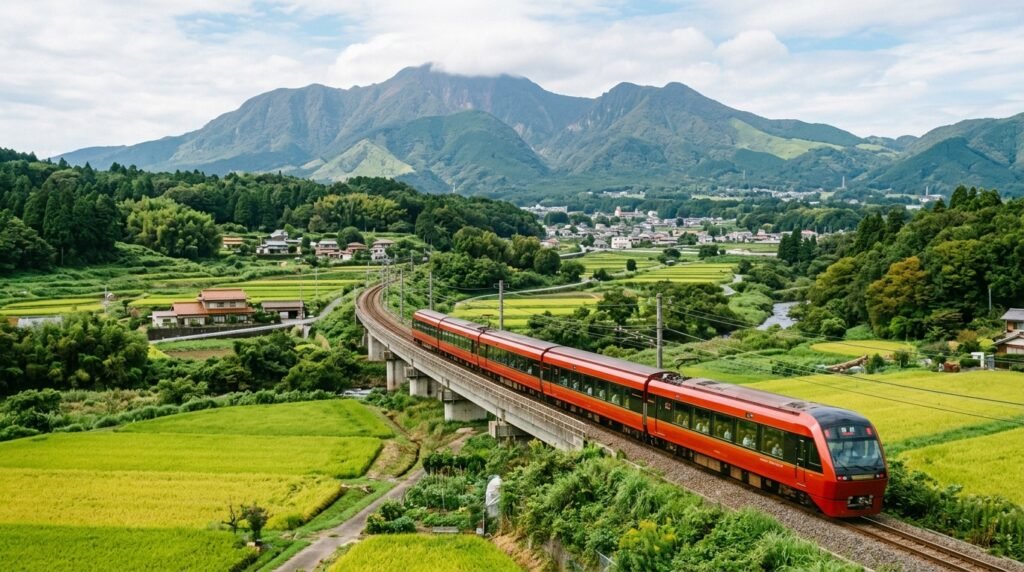
For the vast majority of travelers, the Odakyu Romancecar represents the absolute premier choice for reaching Hakone. Departing frequently from Odakyu Shinjuku Station, this sleek, comfortable limited express train transports you directly to Hakone-Yumoto Station in just about 85 minutes. The most massive advantage here is that zero transfers are required—you sit down in Tokyo and stand up in the mountains. The Romancecar is designed specifically for tourists and sightseers, featuring exceptionally comfortable, forward-facing reserved seating, massive panoramic windows for taking in the transition from cityscapes to lush green mountains, and on certain specific train models (like the GSE and VSE), breathtaking observation decks with glass fronts at the very front and rear cars. You can easily book your Trip.com hotel & train booking to streamline this part of your trip.
Detailed Cost and Ticketing: The fare structure for the Romancecar is split into two parts: a base fare (1,270 JPY) and a limited express surcharge (1,200 JPY). If you purchase the Odakyu version of the Hakone Freepass (which we strongly suggest), your base fare from Shinjuku is completely covered, meaning you only need to pay the 1,200 JPY surcharge to upgrade to the Romancecar. Because seating is entirely reserved and strictly limited, these trains frequently sell out during weekends, national holidays, and peak seasons like cherry blossoms and autumn foliage. It is highly advisable to book your tickets up to a month in advance either via the Odakyu English booking website or right at the station if you are traveling during off-peak times.
2. Tokaido Shinkansen to Odawara (Fastest Option with JR Pass)
If you have already invested in a Japan Rail Pass and are carefully plotting out the logistics of your 7-day Japan itinerary, you should absolutely leverage the pass for this leg of the journey. You can board the Tokaido Shinkansen (specifically the Kodama or select Hikari train services) from either Tokyo Station or Shinagawa Station, arriving at Odawara Station at breakneck speeds. This initial high-speed leg takes a mere 35 minutes.
However, it is crucial to understand that the Shinkansen does not go all the way into Hakone. At Odawara Station, you must disembark and transfer to the non-JR Hakonetozan Line to traverse the final stretch into the mountains to Hakone-Yumoto Station (an additional 15 minutes). A major caveat to remember: the ultra-fast Nozomi Shinkansen trains do not stop at Odawara at all, so ensure you board a Kodama or Hikari. While the Shinkansen route feels incredibly fast, once you factor in the transfer time at Odawara and the local train ride, the total door-to-door travel time often mirrors that of the direct Romancecar from Shinjuku. For a deeper understanding of when the bullet train network makes financial sense, read our comprehensive analysis on the Japan Rail Pass vs Individual Tickets.
3. Regular Odakyu Express Trains (Best for Budget Travelers)
If you are traveling on a strict budget, want to save every yen possible, and are not particularly pressed for time, taking the regular Odakyu Rapid Express commuter trains from Shinjuku is a viable, albeit slower, alternative. You would take this train from Shinjuku to Odawara Station (which takes roughly 90 to 95 minutes), and then transfer across to the Hakonetozan Line for the final 15-minute push to Hakone-Yumoto.
The total one-way journey will take roughly two hours and costs just 1,270 JPY in total. The major downsides to this method are the lack of guaranteed seating, the absence of luggage storage racks, and the fact that these are standard commuter trains that can become quite crowded with locals heading to and from work or school in the suburbs of Kanagawa. It lacks the romance and comfort of the limited express, but it gets the job done cheaply.
4. Guided Day Tours and Highway Buses
For families traveling with young children, seniors with mobility constraints, or simply those who prefer a completely hassle-free, zero-planning experience without having to navigate complex Japanese train schedules, booking a guided day tour via a comfortable coach bus is an excellent option. Guided tours typically depart from major central hubs in Tokyo (like the Shinjuku LOVE Object or Tokyo Station) and include curated stops at key sights such as Lake Ashi, the Hakone Ropeway, Owakudani valley, and sometimes even the Gotemba Premium Outlets for shopping.
While you certainly lose the flexibility and spontaneity of setting your own pace and schedule, a tour guarantees that you will efficiently see the absolute highlights without getting lost. Alternatively, there are direct Odakyu Highway Buses that run from Shinjuku Expressway Bus Terminal straight into the Lake Ashi area (Togendai). The bus takes about two hours depending heavily on traffic conditions, but is a fantastic option if your accommodation is located near Togendai or Sengokuhara rather than Hakone-Yumoto.
The Hakone Freepass Detailed Breakdown
The Hakone Freepass is widely considered one of the best-value regional transit passes in all of Japan. Issued by Odakyu Railways, it acts as a golden all-access ticket for the entire Hakone region. It provides unlimited hop-on, hop-off use of virtually all transportation methods within the designated Hakone area, alongside discounted admission fees to over 70 different museums, historical attractions, and hot spring facilities. If you plan to travel the classic Hakone sightseeing loop, this pass will almost certainly save you money. More importantly, it saves you the immense hassle, stress, and time of fumbling for change and buying individual paper tickets at every single transit stop.
What Exactly Does the Freepass Cover?
- Hakone Tozan Railway: The incredibly scenic, zig-zagging mountain train running between Odawara, Hakone-Yumoto, and Gora.
- Hakone Tozan Cable Car: The steep funicular railway operating between Gora and Sounzan.
- Hakone Ropeway: The spectacular aerial gondola sweeping between Sounzan, the volcanic Owakudani, and Togendai on the lake.
- Hakone Sightseeing Cruise: The iconic, elaborate pirate ships sailing across the waters of Lake Ashi (connecting Togendai, Hakone-machi, and Moto-Hakone).
- Hakone Tozan Buses and Odakyu Highway Buses: Comprehensive coverage of most local bus routes weaving throughout the mountains and valleys within the designated Hakone area.
- Round-trip transit from Tokyo: The specific “From Shinjuku” version of the Freepass includes a round-trip ticket on the standard Odakyu line between Shinjuku and Odawara. (Note again: if you wish to ride the premium Romancecar, you must pay the extra 1,200 JPY surcharge on top of the Freepass).
Cost Savings, Value Analysis, and Where to Buy
Currently, a 2-day Hakone Freepass departing from Shinjuku costs 6,100 JPY for adults, while the 3-day version is priced at 6,500 JPY. If you are arriving via the Shinkansen and only need the pass to cover the Hakone area (starting from Odawara Station), it costs 5,000 JPY for 2 days. To put these numbers and the sheer value into perspective: if you were to complete the standard full Hakone loop and pay entirely out-of-pocket for each individual train, cable car, ropeway, boat, and bus ticket, the total cost would range between 6,500 and 7,200 JPY. The pass pays for itself easily in just one active day of sightseeing.
You can purchase the pass physically at the Odakyu Sightseeing Service Centers located in Shinjuku Station, or at automated ticket machines. However, to skip the long tourist queues and handle your logistics effortlessly, we highly recommend securing your Hakone Freepass & tours via Klook in advance. You can then simply present your digital voucher or exchange it smoothly upon arrival.
Luggage Handling: How to Travel Hands-Free
One of the most critical pieces of advice for visiting the region: navigating the mountain transport loop with a large, heavy suitcase is an absolute nightmare, and highly discouraged. The mountain trains, cable cars, and local buses get incredibly crowded with tourists, and there is virtually zero dedicated luggage space. Fortunately, the local tourism infrastructure has solved this problem with a brilliant luggage delivery service.
Located right inside Hakone-Yumoto Station, you will find the Hakone Baggage Delivery Service counter. If you drop off your bags here before 12:30 PM upon your arrival from Tokyo, they will securely transport your luggage directly to your participating hotel or ryokan in Hakone by 3:00 PM the exact same day. The fee is incredibly reasonable, ranging from 900 to 1,500 JPY depending on the physical size and weight of the bag (and you receive a 100 JPY discount just for flashing your Hakone Freepass). This service allows you to immediately jump onto the mountain railway and start sightseeing completely hands-free.
When it is time to depart, the service works in reverse. You can leave your bags at your hotel reception in the morning when you check out, spend the day doing more sightseeing or museum hopping, and then easily pick your bags up at Hakone-Yumoto Station in the late afternoon before catching your train back to Tokyo, or perhaps continuing your grand adventure seamlessly from Tokyo to Kyoto on the bullet train.
Day Trip vs. Overnight Ryokan Stay Decision Framework
A frequent and difficult dilemma for travelers planning their Japan itinerary is whether to visit Hakone merely as a day trip from Tokyo, or to dedicate the time and money for an overnight stay. Here is a framework to help you make the best decision for your travel style.
The Case for a Day Trip
If your overall itinerary in Japan is tightly packed and you only have two weeks to see the entire country, a day trip is entirely feasible and still highly rewarding. By taking an early Romancecar (departing around 7:00 AM or 8:00 AM), you can successfully complete the entire classic Hakone sightseeing loop, grab a nice lunch, perhaps visit a major museum, and return to the neon lights of Shinjuku by dinnertime. This approach is also a fantastic option for budget-conscious travelers who want to avoid the notoriously high costs associated with traditional ryokan stays, or those who prefer the logistical simplicity of maintaining a single hotel base in Tokyo without having to pack and unpack their bags.
The Case for an Overnight Ryokan Stay
At its core, Hakone is a historic onsen (hot spring) town, and its true, tranquil magic is best experienced in the quiet evening hours after the massive crowds of day-trippers have caught their trains back to the city. Staying overnight in a traditional Japanese inn (ryokan) is not just accommodation; it is a profound cultural experience. You can spend your evening soaking in mineral-rich natural hot springs under the stars, enjoying an elaborate, meticulously prepared multi-course kaiseki dinner featuring local seasonal ingredients, and sleeping peacefully on plush futons laid over fragrant tatami mats.
Furthermore, an overnight stay significantly reduces the rushed, frantic feeling of constantly checking your watch to ensure you catch the last bus or boat. It allows for a deeply relaxed, slow-paced second day where you can deeply explore world-class art venues like the Hakone Open-Air Museum, the Pola Museum of Art, or the Venetian Glass Museum before heading back. The sheer relaxation value of an overnight stay cannot be overstated.
A Realistic One-Day Hakone Loop Route (The Classic Course)
The famous “Hakone Round Course” is the definitive sightseeing route through the region. It forms a large, counter-clockwise loop utilizing five completely different modes of unique mountain transportation. A critical warning: This route does not guarantee a view of Mount Fuji. Cloud cover around the mountain is notoriously unpredictable, especially during the humid, hazy summer months. Treat a clear view of Mount Fuji as a lucky, magical bonus rather than a guaranteed expectation.
- Start at Hakone-Yumoto: Arrive via the Odakyu Romancecar or the local Hakonetozan line from Odawara. Drop your luggage at the delivery counter.
- Hakone Tozan Railway to Gora: Board Japan’s oldest, steepest mountain railway. The train slowly zig-zags its way up the densely forested slopes via a series of fascinating switchbacks. The ride takes about 40 minutes and is incredibly scenic, particularly during the vibrant hydrangea blooming season in June and July.
- Hakone Tozan Cable Car to Sounzan: Transfer at Gora Station to the steep funicular railway heading further up the mountainside. It’s a short, 10-minute ride to Sounzan Station.
- Hakone Ropeway to Owakudani: Board the modern aerial gondola. As you crest the mountain ridge, this is your first and best chance to catch a glimpse of Mount Fuji on a clear day. Disembark at Owakudani, the “Great Boiling Valley.” Marvel at the dramatic, active volcanic zone with its billowing sulfurous fumes. You must try a Kuro-tamago—a unique local egg hard-boiled directly in the natural hot springs, whose shell turns pitch black. Local legend states that eating one will add seven years to your life!
- Hakone Ropeway to Togendai: Get back on the ropeway and glide gracefully down the mountain toward the calm shores of Lake Ashi.
- Hakone Sightseeing Cruise: Board one of the elaborate, slightly kitschy but fun pirate ships at Togendai port. Cruise across the stunning waters of Lake Ashi to either Hakone-machi or Moto-Hakone ports. The journey takes about 30 to 40 minutes, and the iconic view of the giant red torii gate of Hakone Shrine standing in the water with Mount Fuji in the background is a photographer’s dream.
- Explore Moto-Hakone: Disembark and spend time walking along the historically preserved Old Tokaido Road cedar avenue, visit the atmospheric Hakone Shrine hidden in the forest, and grab a late lunch by the water.
- Bus back to Hakone-Yumoto: Catch a Hakone Tozan Bus from Moto-Hakone straight back down the mountain to your starting point (about a 35-minute ride, though traffic can heavily impact this on weekends).
To ensure you have fast, reliable internet for navigation, translating signs, and checking live train schedules throughout the day in the mountains, we highly recommend installing a Saily eSIM on your smartphone before your trip begins.
Comparison Table: Tokyo to Hakone Transit Methods
| Transport Option | Route Path | Travel Time | Cost (Approximate One-Way) | Best For Which Traveler? |
|---|---|---|---|---|
| Odakyu Romancecar | Shinjuku → Hakone-Yumoto (Direct) | 85 mins | 2,470 JPY (Base + Surcharge) | Maximum comfort, ease, and direct convenience |
| Tokaido Shinkansen | Tokyo/Shinagawa → Odawara (transfer) → Hakone-Yumoto | 50 mins | 4,000 JPY (Covered by JR Pass up to Odawara) | Active JR Pass holders prioritizing high speed |
| Odakyu Express (Regular) | Shinjuku → Odawara (transfer) → Hakone-Yumoto | 110 mins | 1,270 JPY | Strict budget travelers and backpackers |
| Guided Coach Tour | Central Tokyo Hubs → Key Hakone Attractions | Full Day | Varies wildly (usually 10,000+ JPY) | Zero-planning, hassle-free travel, families, seniors |
Best Option by Traveller Type
- The First-Timer / General Tourist: Take the Odakyu Romancecar from Shinjuku combined with the Hakone Freepass. It provides a direct, stress-free route, comfortable reserved seating, and covers absolutely all local transport logistics once you arrive.
- The JR Pass Holder: Utilize the Tokaido Shinkansen to Odawara. Maximize the immense financial value of your JR Pass, then simply purchase a slightly cheaper version of the Hakone Freepass starting from Odawara to cover the remainder of the mountain transport.
- The Budget Backpacker: Ride the regular Odakyu Express commuter trains from Shinjuku, combined with a standard 2-day Hakone Freepass. It takes a little longer and lacks premium comfort, but it keeps your transportation costs impressively low.
- The Family with Kids or Heavy Luggage: Consider a guided bus tour or booking a private charter car. Navigating the mountain transportation loop involves many transfers, crowded cable cars, and lots of walking, which can be utterly exhausting for small children or travelers with severe mobility constraints.
Common Mistakes When Visiting Hakone from Tokyo
1. Expecting Guaranteed Views of Mount Fuji: As stated earlier, Mount Fuji is incredibly shy. It is frequently obscured by thick clouds, especially during the humid summer months between June and August. Your best chances of a crisp, clear view are during the colder, drier months of winter (December to February) and in the very early mornings before clouds form. Do not base your entire trip’s success solely on seeing the mountain; appreciate the incredible hot springs, art museums, and nature instead.
2. Lugging Suitcases on the Loop: We cannot stress this enough: the ropeways and buses have extremely limited space. Use the highly efficient luggage forwarding service at Hakone-Yumoto, or store heavy bags in massive coin lockers at Shinjuku or Odawara stations if you are only visiting for a single day trip.
3. Not Buying the Hakone Freepass: Trying to pay individual fares using an IC card (like Suica or Pasmo) on every single cable car, boat, and bus will drain your card’s balance incredibly quickly and waste a tremendous amount of time fumbling at ticket gates. The Freepass is the obvious, definitive choice for convenience alone, even if you just barely break even on the cost.
4. Starting the Day Too Late: The standard Hakone loop takes roughly 5 to 7 hours to complete at a reasonable, enjoyable pace. Transportation options in the mountains, including the critical ropeway and boats, typically wind down their operations around 4:30 PM or 5:00 PM. If you start your journey from Tokyo after 10:00 AM, you run a massive risk of getting stranded halfway through the loop as transport shuts down for the evening.
Frequently Asked Questions (FAQs)
Is a day trip to Hakone from Tokyo really worth the effort?
Yes, absolutely. A well-planned day trip allows you to ride the incredibly scenic mountain railway, experience the surreal volcanic valley of Owakudani, take a relaxing cruise on Lake Ashi, and potentially see Mount Fuji. It offers a stark, beautiful, natural contrast to Tokyo’s endless concrete jungle. However, staying overnight in a ryokan undeniably elevates the experience from a busy sightseeing rush to a truly relaxing vacation.
Can I use the Japan Rail Pass for the Odakyu Romancecar?
No, you cannot. The Odakyu Romancecar is operated by the Odakyu Electric Railway, which is an entirely independent private company. The JR Pass does not cover any private Odakyu lines. Your JR Pass will only cover the Tokaido Shinkansen portion of the journey as far as Odawara Station.
Exactly where do I catch the Odakyu Romancecar in Tokyo?
The Romancecar departs exclusively from Odakyu Shinjuku Station. Note that Shinjuku Station is a massive, complex labyrinth that houses several different railway companies under one roof. You need to follow the specific blue signs for the “Odakyu Line” and look for the dedicated Romancecar platforms, which are clearly marked and located on the ground floor level of the Odakyu section.
How early in advance should I book my Romancecar tickets?
Romancecar tickets officially go on sale exactly one month in advance of the travel date. While you can often buy tickets on the day of travel during quiet mid-week seasons, it is highly recommended to book your seats in advance during any peak times (including cherry blossom season, autumn foliage, all weekends, and Japanese national holidays) as the train frequently sells out completely.
Is Hakone too crowded to be enjoyable?
Hakone is undeniably popular with both domestic Japanese travelers and international tourists. The main sightseeing loop route can become extremely crowded on weekends and public holidays, leading to long, frustrating queues for the cable car and ropeway. To maximize your enjoyment, try your best to visit on a weekday, and start your day as early as possible to stay ahead of the massive tour bus crowds.
Final Recommendation
Ultimately, traveling from Tokyo to Hakone is relatively straightforward once you understand the two main transportation hubs: Shinjuku Station for the direct Odakyu Romancecar, and Tokyo/Shinagawa Stations for the rapid Shinkansen down to Odawara. For the vast majority of international travelers looking for a smooth, enjoyable trip, we strongly recommend purchasing the comprehensive Hakone Freepass (departing from Shinjuku) and willingly paying the extra Romancecar surcharge for a seamless, incredibly comfortable journey straight to Hakone-Yumoto. This specific combination provides the absolute best balance of speed, convenience, comfort, and financial value. While a day trip is fun, try your absolute hardest to spend at least one night in a local ryokan to fully appreciate the region’s famous hot springs, stunning nature, and exceptional traditional hospitality.
Last checked: September 2026.
Continue planning
Your most useful next steps
Move from reading to one clear travel decision.