
Thailand Alternatives in 2026: Brutal Truth About Where Travelers Go Instead
Thailand did not lose its appeal.
It lost its ability to cope.
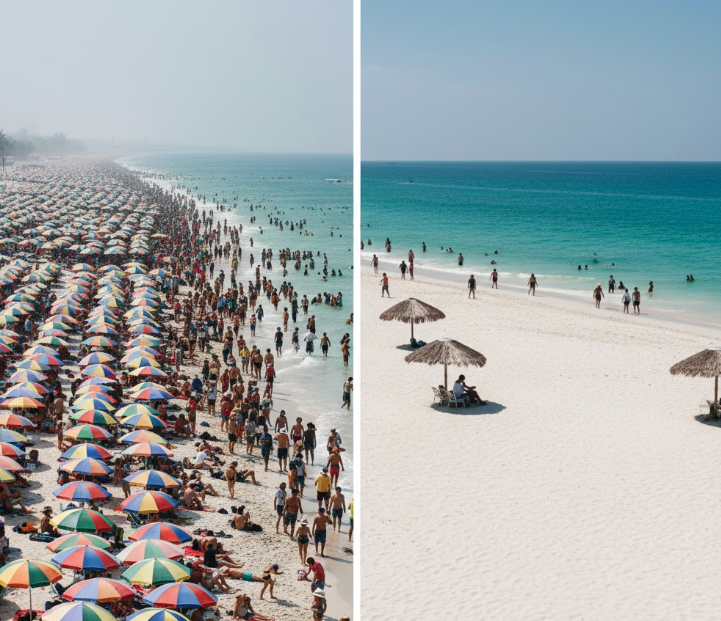
In high season 2026, Thailand is not struggling with tourism demand. It is overwhelmed by it. Flights are full months in advance, hotels remain priced at peak levels for extended periods, and the country’s most popular destinations are operating beyond comfortable capacity.
This is why searches for thailand alternatives are rising sharply. Not because travelers suddenly dislike Thailand, but because Thailand can no longer absorb them without friction.
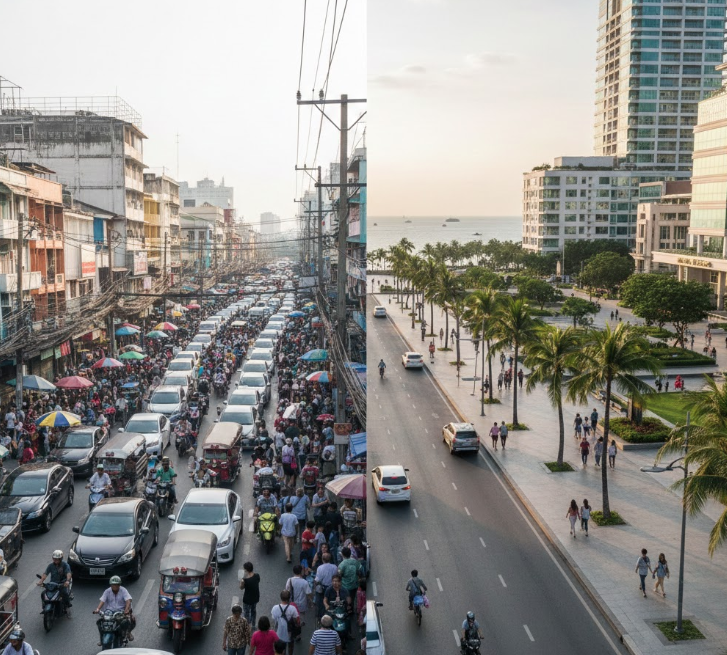
Travel behavior is changing quietly. People still want Southeast Asia. They still want warm weather, good food, safety, and affordability. What they no longer want is crowd pressure layered on top of rising prices.
This article explains why Thailand breaks under high-season pressure in 2026 and where travelers are diverting instead when cost, crowds, and logistics no longer align.
Table of Contents
Thailand’s High Season Is No Longer a Season
For years, Thailand’s tourism calendar followed a familiar rhythm. High season ran roughly from November to February. Shoulder months offered breathing room. Prices softened. Crowds thinned.
That rhythm is gone.
In 2026, demand stretches across most of the year. Remote work, long-stay tourism, delayed post-pandemic travel, and regional connectivity have flattened seasonality upward. What used to be a four-month peak has turned into a near-constant plateau.
Bangkok, Phuket, Chiang Mai, and Pattaya no longer experience meaningful downtime. Hotels rarely reset prices. Attractions rarely empty out. Transport systems operate at sustained high volume.
Travelers who once planned around Thailand’s seasons now plan around its limits.
Thailand Is Still Safe — But Safety Is Not the Issue
Safety remains one of Thailand’s strongest advantages.
Crime rates remain low. Infrastructure is reliable. Healthcare access is strong for tourists. This is consistently reinforced in guides like is Thailand safe for tourists.
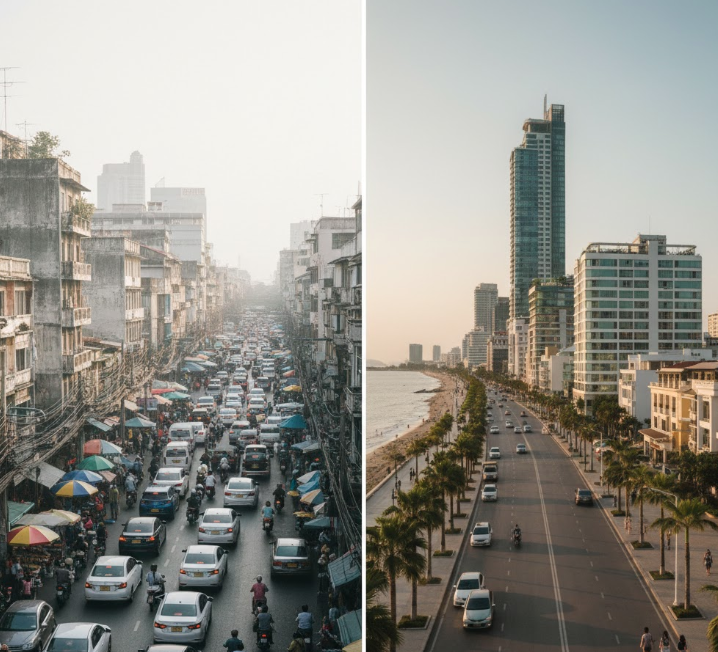
The problem in 2026 is not danger. It is density.
Overcrowding changes how a destination feels, even when it remains objectively safe. Long queues, packed public transport, overwhelmed attractions, and stretched service quality create stress that many travelers did not anticipate.
For families, older travelers, and first-time visitors, this stress matters more than crime statistics.
Thailand Is No Longer Cheap by Default
Thailand’s image as a budget destination lingers longer than the reality.
In high season 2026, hotel prices regularly shock travelers who remember pre-2020 rates. Budget accommodation disappears early. Mid-range hotels price like premium options. Even secondary cities feel expensive during peak months.
Many travelers still attempt to optimize costs, searching for flight savings through resources like cheap flights from Thailand. But airfare savings rarely compensate for inflated on-ground costs.
This is the moment when travelers stop trying to fix Thailand and start looking elsewhere.
Different Travelers Feel the Pressure in Different Ways
Thailand’s capacity problem does not affect all travelers equally.
American travelers often struggle with scale and congestion, especially in Bangkok and Phuket. This is reflected in detailed planning resources such as the Thailand travel guide for Americans.
Chinese travelers face different friction points, particularly group travel congestion at key attractions and transport hubs, discussed extensively in the Thailand travel guide for Chinese tourists.
Families feel the pressure most acutely. Managing crowds with children in Bangkok or Pattaya adds complexity, as highlighted in Bangkok and Pattaya with kids.
Honeymooners experience a different frustration. Privacy and calm are harder to find, a contrast explored in Thailand for honeymoon.
Bangkok, Phuket, and Chiang Mai Are Capacity-Stressed
Bangkok remains functional but no longer forgiving.
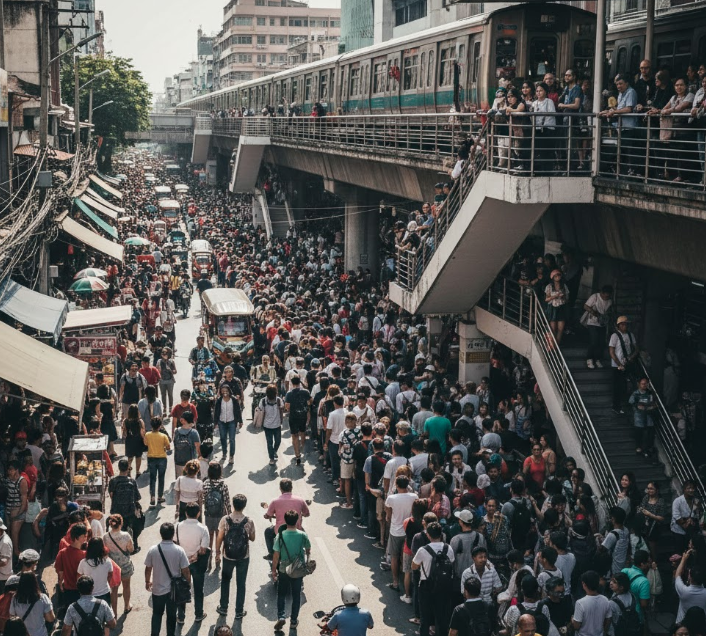
Transit systems are efficient but crowded. Attractions require advance planning. Even simple experiences like dining or shopping involve waiting. Many travelers now treat Bangkok as a short stop rather than a base, relying on guides like what to do in Bangkok during transit.
Chiang Mai faces a different challenge. Seasonal events attract global crowds, especially during peak moments like the Chiang Mai Lantern Festival 2026, pushing accommodation and transport to breaking point.
Phuket struggles with infrastructure strain, especially road congestion and beach overcrowding, making even short stays feel exhausting.
Internal Substitution No Longer Solves the Problem
For years, travelers avoided crowds by shifting destinations within Thailand.
Choosing Hua Hin over Pattaya or Chiang Mai over Bangkok once provided relief. In 2026, even these substitutions feel limited.
Comparisons like Hua Hin vs Pattaya still matter, but they no longer solve capacity pressure during high season.
This is why travelers increasingly step outside Thailand instead of reshuffling within it.
Regional Comparisons Are Driving Diversion
When Thailand becomes crowded, travelers naturally compare it to neighboring destinations.
Guides such as Thailand vs Cambodia and broader regional breakdowns like Thailand vs Vietnam vs Bali 2026 reveal a consistent pattern.
Thailand still offers variety, but alternatives increasingly offer balance.
Less congestion. More predictable pricing. Easier logistics.
Food and Familiarity Are No Longer Enough
Thailand remains one of the most accommodating destinations in Asia.
Indian travelers, for example, continue to rely on guides like Indian food in Thailand and what Indians can eat in Thailand.
But familiarity alone does not outweigh congestion.
Even travelers who love Thailand’s convenience begin to look elsewhere when every experience requires advance planning.
Seasonality Is No Longer a Reliable Escape Strategy
Many travelers attempt to avoid crowds by shifting travel dates.
In 2026, even traditionally calmer periods feel busy. Planning resources like best places to visit in January 2026 increasingly recommend destinations outside Thailand.
Thailand is no longer the default winter escape. It is one option among many.
Why Travelers Are Diverting Instead of Downgrading
This is not budget travel replacing premium travel.
It is redirection.
Travelers are not choosing worse hotels or lower safety. They are choosing destinations that still operate below capacity.
This is why thailand alternatives has become a planning shortcut rather than a niche query.
The Cost and Crowd Reality Behind Thailand Alternatives in 2026
At this stage of planning, travelers are no longer looking for inspiration. They are validating decisions.
This is where thailand alternatives move from being an idea to becoming a necessity. Once travelers compare daily costs, crowd pressure, and trip logistics, the decision to divert away from Thailand becomes practical rather than emotional.
Thailand remains diverse and exciting, but in high season 2026 it is no longer forgiving. Thailand alternatives win not because they are perfect, but because they are still manageable.
Daily Cost Comparison: Thailand vs Thailand Alternatives
Daily spending is where travelers feel disappointment first.
In Thailand, high-season pricing pushes accommodation, food, and transport into ranges that surprise repeat visitors. Travelers feel locked into high daily spend with limited flexibility.
Thailand alternatives behave differently. They allow travelers to adjust daily behavior without sacrificing safety or comfort.
| Expense (Per Day) | Thailand (High Season) | Thailand Alternatives |
|---|---|---|
| Mid-range hotel | USD 120–180 | USD 60–120 |
| Meals | USD 40–70 | USD 25–45 |
| Local transport | USD 15–25 | USD 8–15 |
| Attractions | USD 25+ | USD 10–20 |
| Daily total | USD 200–300 | USD 110–180 |
This daily gap is why travelers searching for thailand alternatives rarely return to Thailand during peak months.
7-Day Trip Cost: Why Diversion Makes Financial Sense
Short trips can hide inefficiencies. A full week exposes them.
When travelers price a seven-day Thailand trip in high season, costs often exceed expectations. Hotels stay expensive every night. Food costs remain elevated. Crowds prevent spontaneous changes.
Thailand alternatives reward longer stays. Prices soften, stress decreases, and value compounds.
| Expense | Thailand | Thailand Alternatives |
|---|---|---|
| Accommodation | USD 900–1,200 | USD 450–800 |
| Food | USD 350–450 | USD 200–300 |
| Transport | USD 120 | USD 70 |
| Activities | USD 180+ | USD 100–150 |
| Total | USD 1,550–1,950 | USD 820–1,320 |
This difference explains why thailand alternatives dominate planning discussions in 2026.
Crowd Pressure: The Hidden Cost Travelers Underestimate
Crowds rarely appear in cost breakdowns, but they extract a price.
Long queues waste time. Overbooked transport drains energy. Overcrowded attractions reduce enjoyment.
Thailand’s most popular destinations are now operating beyond comfortable capacity, a trend confirmed by data from the Tourism Authority of Thailand.
Thailand alternatives benefit from lower visitor density. Travelers spend less time waiting and more time experiencing.
External Data Confirms the Diversion Trend
This shift is not anecdotal.
According to the UN World Tourism Organization, Southeast Asian destinations outside Thailand are experiencing faster growth rates as travelers redistribute.
The World Bank tourism data also highlights rising price pressure in capacity-saturated destinations.
These macro signals support what travelers already feel on the ground: thailand alternatives are becoming the rational choice.
Which Thailand Alternatives Perform Best in 2026
Not all alternatives perform equally.
Vietnam delivers urban energy and coastline without Thailand’s crowd density.
Laos offers calm, culture, and slower travel at lower cost.
Malaysia provides infrastructure, food diversity, and reliable pricing.
The Philippines remains competitive for island travel outside Thailand’s saturated beach hubs.
Each of these thailand alternatives benefits from operating below peak pressure.
Who Should Still Choose Thailand
Thailand still works for:
• First-time visitors * Short trips outside peak months * Travelers willing to plan extensively
For repeat leisure travelers, families, and long-stay visitors, thailand alternatives deliver better value per day.
Final Verdict: Thailand Alternatives Win in 2026
Thailand did not fail. It became a victim of its own success.
In high season 2026, thailand alternatives offer lower daily costs, fewer crowds, and better emotional return.
This is why travelers are not complaining about Thailand.
They are quietly choosing somewhere else.
Frequently Asked Questions
Why are travelers searching for Thailand alternatives in 2026?
Travelers are searching for Thailand alternatives because high season crowds, rising hotel prices, and stretched infrastructure make Thailand less comfortable than before. Many travelers still want Southeast Asia but without the congestion and peak pricing.
Are Thailand alternatives really less crowded than Thailand?
Yes. Most Thailand alternatives such as Vietnam, Laos, Malaysia, and parts of the Philippines operate below Thailand’s visitor density, especially during peak months. This results in shorter queues, easier transport, and a calmer travel experience.
Are Thailand alternatives cheaper during high season?
In most cases, yes. During high season, Thailand alternatives are typically 30–50% cheaper per day once accommodation, food, transport, and activities are combined, especially for trips longer than five nights.
Which Thailand alternative is best for first-time Southeast Asia travelers?
Vietnam and Malaysia are often the best Thailand alternatives for first-time travelers. They offer strong infrastructure, good connectivity, familiar food options, and lower crowd pressure compared to Thailand’s major cities.
Is Vietnam a good replacement for Thailand?
Vietnam is one of the strongest Thailand alternatives in 2026. Cities like Da Nang, Hanoi, and Hoi An offer beaches, culture, and food at lower cost and with fewer crowds than Phuket or Bangkok during peak season.
Is Thailand still worth visiting in 2026?
Thailand is still worth visiting, but timing matters more than ever. Travelers who visit outside peak months or focus on less popular regions can still enjoy Thailand. During high season, many travelers find better value in Thailand alternatives.
Are Thailand alternatives safe for tourists?
Yes. Most popular Thailand alternatives are considered safe and stable for tourists, with well-developed hospitality sectors, reliable transport, and low violent crime rates comparable to Thailand.
Which Thailand alternative is best for beaches?
For beach-focused trips, travelers often choose Vietnam (central coast) or the Philippines (secondary islands) as Thailand alternatives, especially when Phuket and Krabi feel overcrowded.
Will Thailand alternatives stay cheaper in the future?
Thailand alternatives are cheaper now because they operate below saturation. As demand grows, prices may rise, but in 2026 they still offer better crowd-to-cost balance than Thailand’s most popular destinations.