
The practical takeaway
If you are deciding where to stay in Tokyo, Shinjuku is the best overall area for first-time visitors due to its unbeatable transport connections, endless dining options, and vibrant atmosphere. Booking accommodation near the Yamanote Line (Tokyo's loop line) is the golden…
If you are deciding where to stay in Tokyo, Shinjuku is the best overall area for first-time visitors due to its unbeatable transport connections, endless dining options, and vibrant atmosphere. Booking accommodation near the Yamanote Line (Tokyo’s loop line) is the golden rule for getting around the city efficiently, and Shinjuku offers that alongside easy airport access.
Deciding on the best area to stay in Tokyo depends on your travel style, budget, and itinerary. Tokyo is massive, effectively operating as multiple distinct cities rolled into one. Whether you are looking for neon-lit nightlife, traditional temples, high-end shopping, or family-friendly quiet zones, this guide breaks down the seven best neighbourhoods to base yourself in during an upcoming trip.
Some links in this guide are affiliate links. FlyFono may earn a commission if you book through them, at no extra cost to you. Recommendations are based on practical relevance, not commission.
Table of Contents
- Tokyo areas comparison table
- Where to stay in Tokyo for a first visit
- Shinjuku
- Shibuya and Harajuku
- Asakusa
- Tokyo Station and Marunouchi
- Ueno
- Ginza
- Roppongi
- Best area for couples
- Best area for families
- Best area for solo travellers
- Best area for budget travellers
- Best area for nightlife
- Why staying near a major train station matters
- Common hotel-booking mistakes in Tokyo
- Final decision table
- FAQs
Tokyo Areas Comparison
To help you compare your options, here is a breakdown of the top Tokyo neighbourhoods for visitors.
| Area | Best for | Transport Access | Vibe | Price Range |
|---|---|---|---|---|
| Shinjuku | First-timers, nightlife | Excellent (Yamanote Line) | Vibrant, crowded, neon | Mid-range to High |
| Shibuya | Shopping, youth culture | Excellent (Yamanote Line) | Trendy, energetic | Mid-range to High |
| Asakusa | Culture, budget stays | Good (Ginza/Asakusa lines) | Traditional, relaxed | Budget to Mid-range |
| Tokyo Station | Day trips, luxury | Outstanding (Shinkansen) | Upscale, business | High to Luxury |
| Ueno | Families, museums | Excellent (Yamanote Line) | Down-to-earth, cultural | Budget to Mid-range |
| Ginza | Luxury shopping, dining | Good (multiple metro lines) | Sophisticated, premium | High to Luxury |
| Roppongi | Expat nightlife, art | Moderate (Hibiya/Oedo lines) | Cosmopolitan, lively | Mid-range to Luxury |
Where to Stay in Tokyo for a First Visit
For your first trip, convenience is everything. Tokyo’s scale can be overwhelming, so staying in a central hub connected to the JR Yamanote Line makes a huge difference. You can compare Tokyo accommodation by area to find hotels right next to major stations. Shinjuku and Shibuya are generally the top picks because they offer that classic “Tokyo” feel the moment you step outside, while also acting as perfect bases for a 7-day Japan itinerary or a 14-day Japan itinerary.
Shinjuku
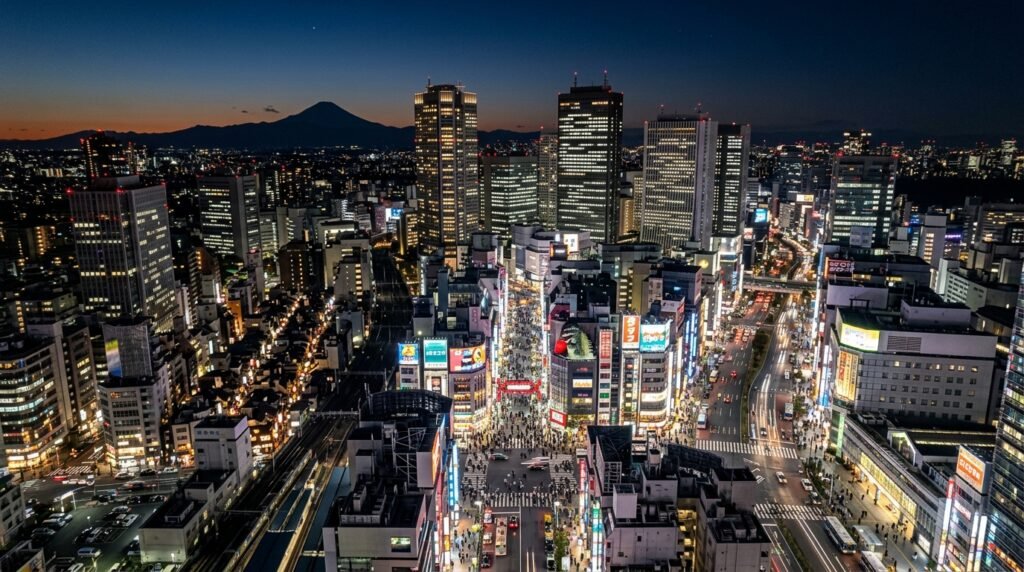
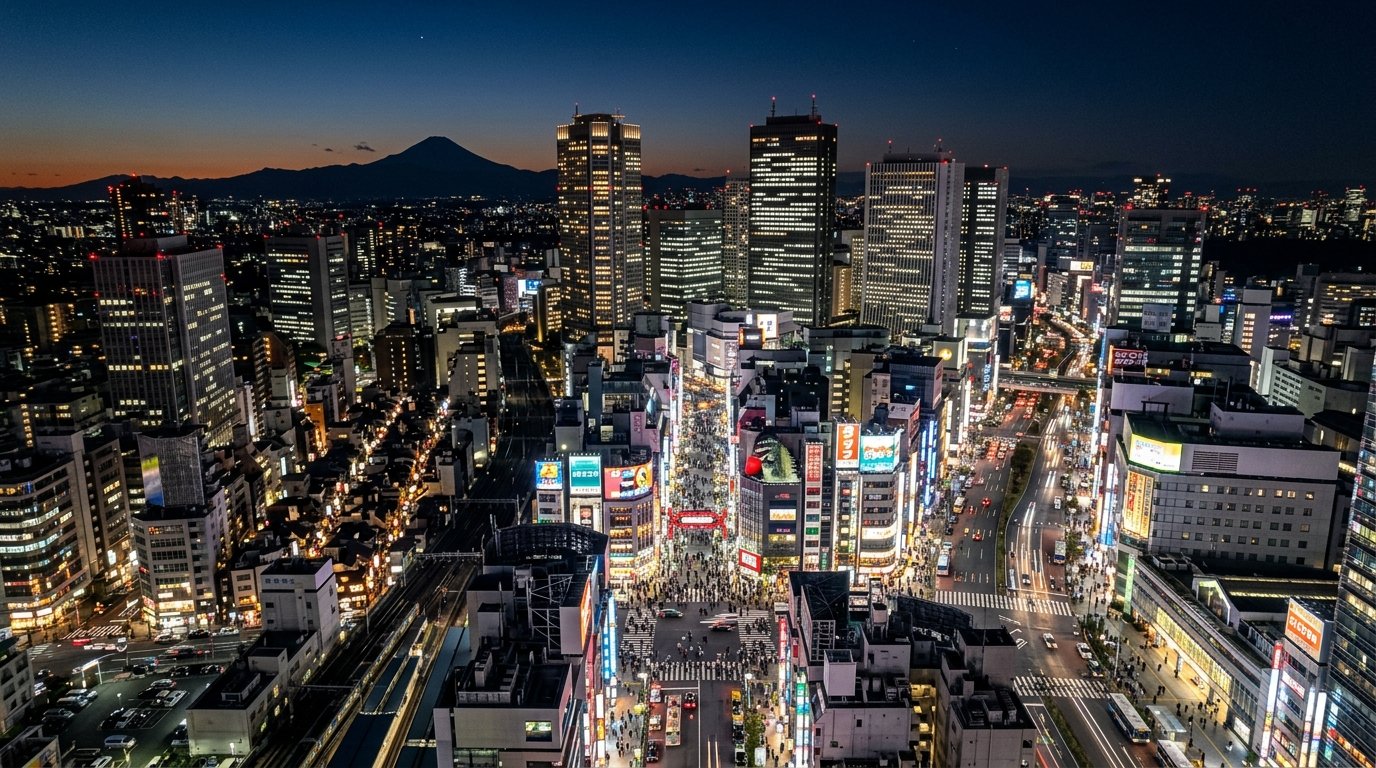
Shinjuku is the pulsating heart of modern Tokyo. It is home to the world’s busiest railway station, making it incredibly convenient for day trips and airport transfers. The western side features soaring skyscrapers and luxury hotels, while the eastern side is packed with neon signs, karaoke bars, and the famous Kabukicho entertainment district. If you want to experience the vibrant, sleepless energy of the city, Shinjuku is the ideal choice.
Shibuya and Harajuku
Known for the iconic Shibuya Crossing and trendy fashion boutiques, Shibuya is the epicentre of youth culture in Tokyo. It’s energetic, constantly evolving, and a paradise for shoppers. Just a short walk or one train stop away is Harajuku, famous for its quirky street fashion and the serene Meiji Shrine. Staying in Shibuya means you are always close to great cafes, shopping, and nightlife.
Asakusa
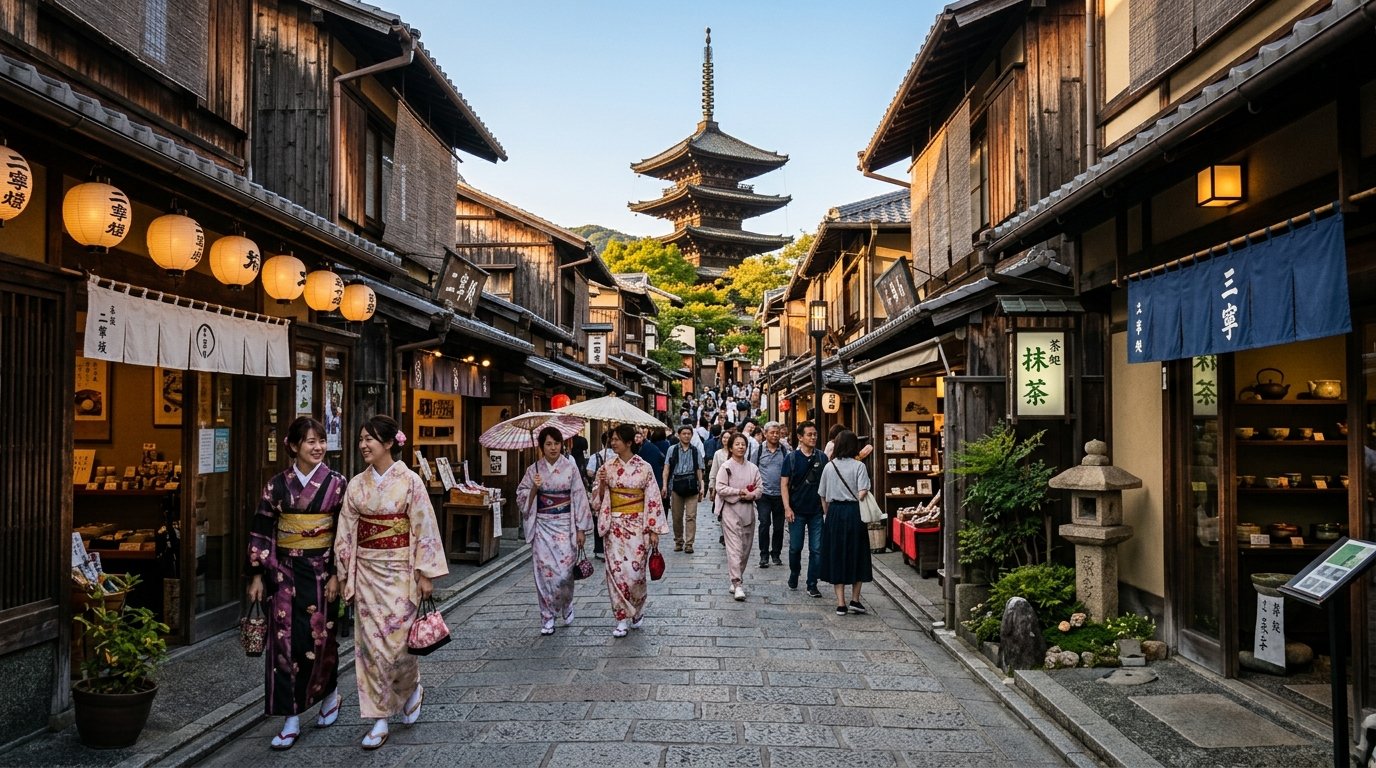
If you prefer a quieter, more traditional atmosphere, Asakusa is fantastic. It is home to Senso-ji, Tokyo’s oldest temple, and retains a charming, old-world vibe. It is also one of the best areas for finding budget accommodation and traditional ryokans. While it isn’t on the Yamanote Line, the Ginza Line connects it easily to Shibuya and Ueno. You can compare Tokyo hostels and budget stays in Asakusa for excellent value.
Tokyo Station and Marunouchi
Tokyo Station and the surrounding Marunouchi district are perfect if your budget allows for luxury and you plan on taking several bullet trains (Shinkansen) across Japan. The area is immaculate, upscale, and adjacent to the Imperial Palace. It is exceptionally convenient for regional travel and business trips, though it lacks the vibrant nightlife found in Shinjuku or Shibuya.

Ueno
Ueno is a wonderful area for families and those looking for a more laid-back environment. Ueno Park is a major attraction, housing several excellent museums and a zoo. The neighbourhood also offers the bustling Ameya-Yokocho market. Ueno is on the Yamanote Line and offers direct access from Narita Airport via the Keisei Skyliner, making arrivals and departures completely stress-free.
Ginza
Ginza is Tokyo’s premier luxury shopping and entertainment district, often compared to New York’s Fifth Avenue. The streets are lined with high-end boutiques, department stores, and fine dining restaurants. On weekends, the main street is closed to traffic, creating a massive pedestrian promenade. Staying here puts you right in the middle of sophistication, though accommodation prices reflect the premium location.
Roppongi
Roppongi is well-known for its nightlife, particularly among expats, but it has also transformed into a major cultural hub. Roppongi Hills and Tokyo Midtown offer fantastic art museums, high-end shopping, and spectacular city views. If you enjoy cosmopolitan environments, world-class dining, and late-night clubs, Roppongi is a great place to stay.
Best Area for Couples
Couples seeking a romantic trip should consider Ginza or Tokyo Station for upscale, memorable stays. If you prefer a trendier, more energetic vibe with easy access to great dining and cocktail bars, Shibuya and the nearby Ebisu neighbourhood are excellent choices.
Best Area for Families
For families, Ueno and Asakusa offer more space, nearby parks, and a generally relaxed pace. Tokyo Disney Resort (located just outside the city in Urayasu) is also a popular base if the theme parks are the primary focus of your trip, but Ueno remains the most practical central location for exploring the rest of the city with children.
Best Area for Solo Travellers
Solo travellers thrive in Shinjuku and Shibuya. These areas are incredibly safe, bursting with activities at all hours, and feature thousands of small eateries where dining alone is completely normal. Shinjuku’s capsule hotels are also a fantastic, budget-friendly experience for solo adventurers.
Best Area for Budget Travellers
Asakusa and Ueno are the most wallet-friendly neighbourhoods, offering plenty of hostels, guesthouses, and affordable business hotels. The food in these areas is also generally cheaper, with countless street food stalls and casual dining spots available.
Best Area for Nightlife
Roppongi, Shinjuku, and Shibuya are the holy trinity for nightlife. Shinjuku offers tiny bars in Golden Gai and neon-lit chaos in Kabukicho. Shibuya is packed with massive nightclubs and trendy bars. Roppongi caters to an international crowd with a mix of high-end lounges and rowdy clubs.
Why Staying Near a Major Train Station Matters
Tokyo’s size means you will be relying heavily on public transport. Staying within a 10-minute walk of a JR Yamanote Line station (like Shinjuku, Shibuya, Tokyo, or Ueno) will save you hours of transit time and multiple train transfers. It also simplifies getting to and from the airport, whether you are comparing Haneda vs Narita or figuring out the best way from Narita Airport to Tokyo. Don’t forget to compare Tokyo transport passes and activities to save money, and evaluate whether you need a Japan Rail Pass vs individual tickets for your broader journey.
Common Hotel-Booking Mistakes in Tokyo
The most common mistake is booking a hotel that looks close on a map but requires changing multiple metro lines to reach major sights. Another issue is underestimating the size of hotel rooms; basic business hotels often have rooms between 12-15 square metres. Finally, relying on public Wi-Fi is a mistake, so ensure you check Japan eSIM options before arriving. You can also read more about finding the best eSIM for Japan.
Final Decision Table
| Traveller Profile | Recommended Area |
|---|---|
| First-time visitor | Shinjuku |
| Shopper & Trendseeker | Shibuya |
| Budget conscious | Asakusa |
| Family with kids | Ueno |
| Luxury & Shinkansen travel | Tokyo Station |
For more help organising your journey, use our comprehensive trip planner.
FAQs
Where is the best place to stay in Tokyo for first-timers?
Shinjuku is the best area for first-time visitors to Tokyo because of its incredible transport links on the Yamanote loop line, vibrant nightlife, endless dining options, and classic Tokyo atmosphere.
Is it better to stay in Shibuya or Shinjuku?
Both are excellent, but Shinjuku offers slightly better transport connections for regional travel and airport access, while Shibuya feels slightly trendier and more focused on youth culture and shopping.
Should I stay in Asakusa?
Yes, if you prefer a quieter, more traditional atmosphere and want to stretch your budget. It is slightly less central than Shinjuku but offers a charming look at older Tokyo near Senso-ji temple.
What is the best area for families in Tokyo?
Ueno is highly recommended for families because it offers spacious parks, museums, a zoo, and a slightly more relaxed pace than the bustling western hubs of Shinjuku and Shibuya.
Conclusion
Choosing where to stay in Tokyo ultimately comes down to your personal travel style, but sticking close to the JR Yamanote Line will make your trip significantly smoother. Shinjuku remains our top recommendation for first-timers, providing the quintessential Tokyo experience the moment you step out of your hotel. Whether you opt for the neon lights of Shibuya, the traditional charm of Asakusa, or the high-end luxury of Tokyo Station, planning ahead will ensure an unforgettable visit to Japan’s incredible capital. For official tourism information, visit GO TOKYO and the Japan Tourism Agency.
Continue planning
Your most useful next steps
Move from reading to one clear travel decision.