
The UK ETA requirement has moved from a background policy announcement into an actively enforced travel rule that is catching thousands of travelers off guard. Despite holding valid passports, confirmed flight tickets, and hotel bookings, many passengers are now being denied boarding before they even leave their departure airport.
The reason is simple but widely misunderstood: the UK ETA requirement is enforced by airlines, not just by UK immigration officers. If an airline determines that a passenger does not meet entry requirements, boarding is blocked automatically.
This article explains how the UK ETA requirement actually works, why airlines are enforcing it so strictly, and where travelers—especially those flying from Asia—are making expensive mistakes.
This is not a generic visa explainer. It is a real-world airline enforcement guide.
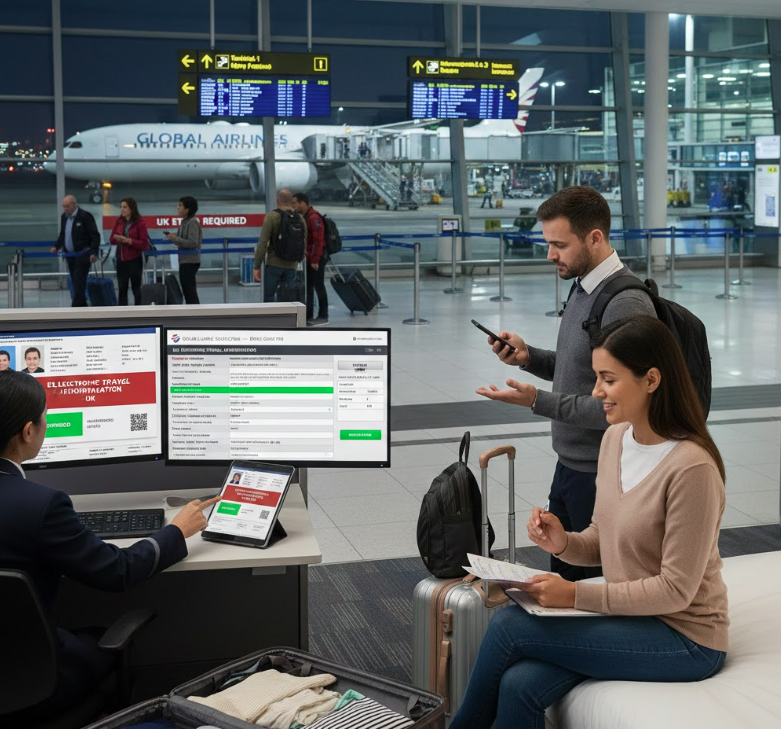
Table of Contents
What the UK ETA Requirement Actually Is
The UK ETA requirement refers to the Electronic Travel Authorisation system introduced for travelers who previously entered the United Kingdom without applying for a traditional visa.
An ETA is not a visa. It is a pre-travel security authorisation that must be approved before travel begins.
This distinction matters because many travelers assume:
- ETA can be handled on arrival
- Approval is guaranteed
- Border officers will resolve issues at immigration
In reality, none of these assumptions are safe. Airlines are required to verify ETA approval before boarding.
For official UK government guidance on ETA policy, refer to:
UK Government – Electronic Travel Authorisation (ETA)
Why Airlines Are Enforcing the UK ETA Requirement So Strictly
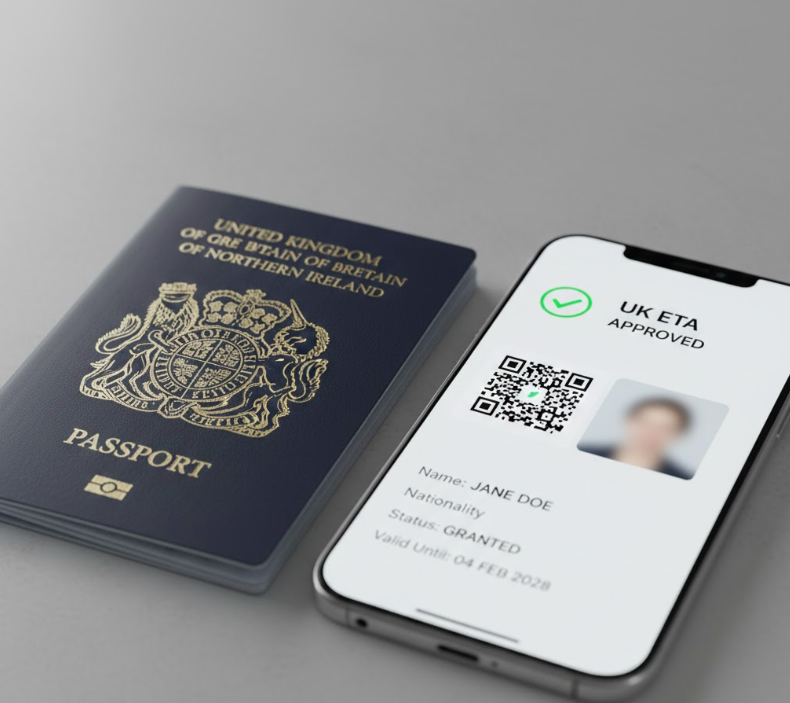
Airlines face significant penalties if they transport passengers who are later refused entry. These penalties include fines, return transportation costs, and regulatory audits.
As a result, airlines do not rely on discretion or interpretation. They rely on automated compliance systems that determine whether a passenger is eligible to board.
Once the system flags a missing or invalid ETA, boarding is denied.
How Airline Check-In Systems Detect ETA Issues
Most airlines use document verification systems integrated with passenger manifests. When your passport is scanned at check-in, the system checks nationality, destination, and entry requirements.
If the system indicates that the UK ETA requirement applies and no valid approval is found, the agent cannot override the decision.
This is why passengers are often surprised at the airport—there is no manual fallback.
The 7 Costly Mistakes That Lead to Denied Boarding

Mistake #1: Confusing Visa-Free Travel With No Pre-Approval
Visa-free travel no longer means unrestricted entry.
Under the UK ETA requirement, travelers from visa-exempt countries must still obtain authorisation before departure.
This is similar in concept to systems used by other countries, but the enforcement timing is what catches travelers off guard.
Mistake #2: Assuming ETA Is Checked Only at UK Immigration
One of the most damaging misconceptions is that ETA checks happen only on arrival.
In practice, ETA checks occur before boarding. If approval is missing, the passenger never reaches the UK border.
Mistake #3: Applying Too Late
While ETA approvals can be fast, they are not guaranteed to be instant.
Applications may be delayed due to:
- System backlogs
- Manual review triggers
- Data mismatches
Applying hours before departure is a high-risk strategy.
Mistake #4: Misunderstanding Transit Rules

Transit scenarios are a major source of confusion.
Some travelers assume that because they are transiting through the UK, the UK ETA requirement does not apply. This is not always correct.
Certain nationalities and transit types still require ETA approval even if the traveler does not leave the airport.
Travelers should verify transit eligibility in advance using reliable tools such as:
FlyFono Visa Requirements Checker
Mistake #5: Relying on Outdated Online Advice
Much of the online information about UK entry rules is outdated. Articles written before enforcement began often state that airlines are not checking ETA yet.
This information is no longer reliable.
Always cross-check with official or recently updated sources.
Mistake #6: Changing Passports Without Reapplying
An ETA is linked to a specific passport.
If you renew or replace your passport, your existing ETA does not transfer. Many travelers are denied boarding because they forget to reapply.
Mistake #7: Expecting Airline Staff to Resolve Documentation Issues
Airline staff cannot apply for an ETA on your behalf. They cannot delay flights or bypass system requirements.
Once boarding is denied due to documentation, options are extremely limited.
Why Asian Travelers Are More Exposed to UK ETA Issues
Asian travelers are disproportionately affected by the UK ETA requirement due to long-haul flight patterns and complex transit routes.
Limited Same-Day Rebooking Options
Flights from Asia to the UK are typically overnight long-haul services. Missing one flight often means waiting days for the next available seat.
Multi-Segment Journeys
Many travelers from Asia connect through Middle Eastern or European hubs. Each segment introduces additional document checks.
Wide Variation in Passport Privileges
Asia includes a broad mix of visa-free and conditional-access passports. Travelers often assume rules are uniform across the region. They are not.
How UK ETA Differs From Europe’s ETIAS
The UK ETA requirement is often confused with Europe’s upcoming ETIAS system.
Key differences include:
- UK ETA enforcement is already active
- Airlines are checking ETA status now
- Transit rules differ significantly
Assuming similar enforcement timelines leads to mistakes.
Denied Boarding: What Actually Happens
When boarding is denied due to a missing ETA:
- Tickets are usually treated as documentation failures
- Immediate refunds are uncommon
- Hotels and meals are not automatically covered
Airlines prioritize compliance over passenger convenience.
How This Changes Travel Planning Going Forward
The UK ETA requirement marks a shift toward pre-travel authorisation as the norm.
Travelers must now treat documentation checks as part of trip planning, not an afterthought.
Tools that simulate full itineraries and entry requirements help reduce mistakes, such as:
Exactly Who Needs a UK ETA (And Who Does Not)
The UK ETA requirement applies to travelers who previously entered the United Kingdom without a visa but are now required to obtain electronic authorisation before travel.
In simple terms, you need a UK ETA if:
- You are a visa-exempt nationality under UK rules
- You are traveling to the UK for tourism, business, or short stays
- You do not hold UK residency or a valid UK visa
You generally do not need a UK ETA if:
- You hold a valid UK visa
- You are a UK resident or permanent resident
- You hold British or Irish citizenship
Because nationality rules differ by passport, travelers should always verify their status rather than rely on assumptions. A quick way to confirm entry rules is by using:
FlyFono Visa Requirements Checker
For official confirmation, the UK government maintains the definitive eligibility list here:
UK Government – Check if You Need a Visa or ETA
Transit Through the UK: The Most Confusing Scenario
Transit is where most travelers make mistakes.
Many assume that if they are only changing planes in the UK, the UK ETA requirement does not apply. This is not always correct.
When You May Still Need a UK ETA for Transit
- If your nationality normally requires ETA for entry
- If you must pass UK border control during transit
- If your onward flight departs from a different terminal requiring immigration clearance
Airlines do not interpret transit rules generously. If there is uncertainty, boarding is usually denied.
This is why travelers should treat UK transit as a potential entry scenario, not a loophole.
When to Apply for a UK ETA (Timing Rules That Matter)
Although some applications are approved quickly, travelers should not assume instant approval.
Safe Application Timing
- Apply at least 7–10 days before travel
- Apply earlier if traveling during peak seasons
- Apply immediately after booking flights
Applying early reduces stress and protects against system delays or manual review triggers.
What Can Delay ETA Approval
- Name mismatches with passport data
- Previous travel history flags
- High application volume periods
Travelers who apply late risk missing flights even if approval eventually arrives.
How Airlines Actually Check Your ETA
Airlines do not rely on screenshots or confirmation emails alone.
Most carriers verify ETA status through:
- Automated passport scans
- Backend database checks
- Advance Passenger Information (API) systems
If your ETA is not visible in the system, the airline treats it as missing—even if you believe it is approved.
Common Airline Check-In Failures
- ETA linked to an old passport
- Incorrect passport number entered during application
- Name order mismatches
These issues are almost impossible to fix at the airport.
Passport Changes: A Silent Boarding Killer
One of the most overlooked issues is passport renewal.
A UK ETA is linked to a specific passport. If you renew or replace your passport, your ETA becomes invalid.
This applies even if:
- The name remains the same
- The expiry date changed only slightly
- The old ETA is still within validity
Always reapply after a passport change.
Group Travel and Family Bookings
Each traveler must have their own approved ETA.
Common group mistakes include:
- Assuming one approval covers a family
- Missing ETA for children
- Applying only for the primary traveler
Airlines check passengers individually. One missing ETA can block the entire booking if tickets are linked.
Denied Boarding: What You Can and Cannot Do
If boarding is denied due to a missing or invalid UK ETA:
- Airlines are not required to rebook for free
- Hotels and meals are typically not covered
- Refunds depend on fare conditions
This is treated as a documentation failure, not an airline disruption.
Travelers who want to understand flexible fare strategies before booking can refer to:
How to Find Cheap Flights Without Risky Fare Rules
Using Planning Tools to Avoid ETA Mistakes
The UK ETA requirement reinforces the need to plan documentation as early as route selection.
Travelers benefit from tools that simulate:
- Entry requirements
- Transit scenarios
- Multi-segment itineraries
One way to stress-test routes before booking is by using:
How Long the UK ETA Is Valid
UK ETA validity depends on:
- The issuing rules at approval time
- Passport validity
An ETA does not guarantee entry. It allows you to board a flight and request entry at the border.
Common Myths That Still Cause Denials
- “I flew last year without it”
- “I am only transiting”
- “The airline will help me”
- “I can apply at the airport”
All four assumptions are now unreliable.
Final Checklist Before Flying to the UK
- Confirm whether your nationality requires a UK ETA
- Apply at least one week before travel
- Verify passport details match exactly
- Reapply after any passport renewal
- Confirm ETA visibility before departure
Final Takeaway
The UK ETA requirement is no longer theoretical. It is operational, airline-enforced, and unforgiving of last-minute mistakes.
Travelers who treat ETA approval as part of ticket booking—not an afterthought—avoid denied boarding and expensive disruptions.
Preparation, not experience, is now the difference between boarding and being left behind.
Frequently Asked Questions
What is the UK ETA requirement?
The UK ETA requirement is a mandatory electronic travel authorisation that visa-exempt travelers must obtain before flying to the United Kingdom. Airlines check ETA approval before boarding.
Who needs a UK ETA?
Travelers from visa-exempt countries who are visiting the UK for short stays, tourism, or business generally need a UK ETA unless they hold a UK visa, UK residency, or British or Irish citizenship.
Is a UK ETA the same as a visa?
No. A UK ETA is not a visa. It is a pre-travel security authorisation that allows a traveler to board a flight and request entry at the UK border.
When is the UK ETA checked?
The UK ETA is checked **before boarding**, not only at UK immigration. Airlines verify ETA status during check-in and boarding.
Can I apply for a UK ETA at the airport?
No. Applying at the airport is risky. If approval is delayed or not visible in airline systems, boarding will be denied.
How long does it take to get a UK ETA?
Some approvals are fast, but processing time is not guaranteed. Travelers should apply at least 7–10 days before departure to avoid delays.
Do children need a UK ETA?
Yes. Each traveler, including children, must have their own approved UK ETA.
Do I need a UK ETA if I am only transiting through the UK?
Sometimes. Depending on nationality and transit type, a UK ETA may still be required even if you do not leave the airport.
What happens if I change my passport?
If you renew or replace your passport, your existing UK ETA becomes invalid. You must apply again using the new passport.
What happens if I am denied boarding due to a missing ETA?
Denied boarding due to a missing UK ETA is treated as a documentation issue. Airlines are not required to provide compensation, hotels, or meals.
Does a UK ETA guarantee entry into the UK?
No. A UK ETA allows you to travel to the UK and request entry. Final admission is decided by UK border officials.
Why are travelers being denied boarding even with valid tickets?
Because airlines are legally responsible for transporting passengers without proper authorisation. If ETA approval is missing, boarding is blocked automatically.
Is the UK ETA requirement temporary?
No. The UK ETA requirement is part of a long-term shift toward airline-enforced pre-travel authorisation systems.