
Skipping Bali 2026 is no longer a fringe opinion whispered in travel forums. It has quietly become a mainstream travel behavior—especially among leisure travelers who once treated Bali as a default Asia escape.
Travelers skipping Bali are also changing how they plan. Instead of locking into one overcrowded destination, many are using tools like the FlyFono AI Trip Planner to compare multiple destinations, build flexible itineraries, and avoid peak-pressure zones before booking flights or hotels.
This is not about hating Bali. It is about expectations colliding with reality.
In 2026, more travelers are asking a blunt question: Is Bali still worth it? And the uncomfortable answer for many is no—not at the price, not with the crowds, and not with the burnout that now defines the experience in peak areas.
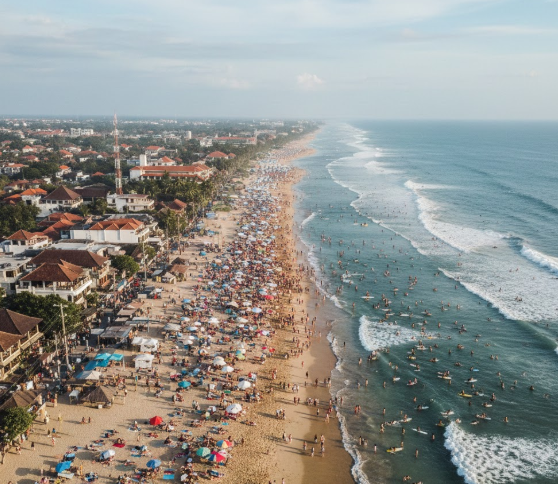
Table of Contents
Instead of blindly following old travel playbooks, leisure travelers are making smarter, quieter, and better-value choices. They still want tropical vibes, culture, great food, and Instagram-worthy scenery—but without the chaos.
This article explains why leisure travelers are skipping Bali in 2026, what changed, and how travel behavior is shifting toward hidden alternatives that deliver the same magic without the disappointment.
Skipping Bali 2026: What Actually Changed?
Let us get something straight: Bali did not suddenly become bad.
Bali became overexposed.
The island’s transformation accelerated post-pandemic due to a perfect storm:
- Explosive TikTok and Instagram tourism
- Digital nomads settling long-term
- Remote work visas and relaxed entry rules
- Budget airlines pushing ultra-cheap routes
In isolation, none of this is bad. Combined, it created a destination suffering from overtourism fatigue.
For leisure travelers in 2026, the problem is not Bali itself—it is the experience gap between what Bali promises and what it delivers on the ground.
This is the core reason behind Skipping Bali 2026.
According to the UN World Tourism Organization (UNWTO), destinations experiencing rapid post-pandemic demand spikes without matching infrastructure upgrades often see a decline in leisure satisfaction. Bali has become a textbook case of overtourism pressure in Southeast Asia.
The Overcrowding Problem No One Warned You About
Overcrowding is not just about beaches feeling busy. It affects every part of the trip.
Leisure travelers report the same issues repeatedly:
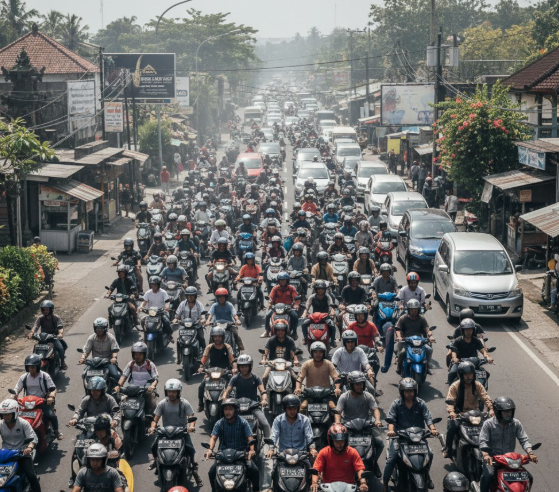
- Traffic jams that turn short rides into hour-long ordeals
- Beaches where relaxation feels impossible
- Restaurants booked days in advance
- Queues for “hidden” waterfalls that are no longer hidden
Areas like Canggu, Seminyak, and parts of Ubud now feel less like tropical escapes and more like outdoor shopping malls with palm trees.
For travelers with limited vacation time, this friction kills the joy.
Leisure travel is about slowing down. Bali in 2026 often does the opposite.
Prices Without the Premium Experience
Recent travel cost comparisons published by Numbeo’s Cost of Living Index show that prices in popular Bali neighborhoods now rival major cities in Thailand and Vietnam, without offering the same level of public transport or urban infrastructure.
Another uncomfortable truth driving Skipping Bali 2026 is pricing.
Bali is no longer cheap—but it still markets itself as if it is.
Accommodation prices in popular areas have surged. Cafes now charge Western prices. Beach clubs come with minimum spends that rival European destinations.
Yet infrastructure, cleanliness, and crowd control have not scaled at the same pace.
This creates resentment.
Travelers are not against paying more. They are against paying more for less.
When travelers compare Bali to alternatives like Thailand, Vietnam, or even parts of Japan, the value equation no longer favors Bali.
The Burnout Factor: Bali Is No Longer Relaxing
Here is what no glossy travel reel tells you.
Bali can be exhausting.
Between traffic, noise, crowds, constant upselling, and social-media pressure, many leisure travelers leave feeling more tired than refreshed.
This burnout factor is subtle but powerful.
In 2026, travelers are prioritizing:
- Peace over popularity
- Quality over quantity
- Ease over hype
That mindset shift explains why Skipping Bali 2026 is not a trend—it is a correction.
Social Media Ruined the “Discovery” Feeling
Bali was once about discovery.
Now, many travelers feel like they are reenacting someone else’s vacation.
Social media turned Bali into a checklist destination:
- The same swings
- The same cafés
- The same beach clubs
- The same drone shots
Leisure travelers in 2026 are increasingly allergic to manufactured experiences.
They want places that still feel personal. That alone explains why many are skipping Bali without announcing it publicly.
So Where Are Travelers Going Instead?
This is where the story gets interesting.
People skipping Bali are not quitting Asia. They are redistributing.
Instead of one overcrowded island, travelers are spreading across destinations that offer:
- Better value
- Fewer crowds
- Improved infrastructure
- Authentic local culture
In the next section, we will break down the first group of destinations quietly benefiting from Skipping Bali 2026—places that deliver “Bali vibes” without Bali’s problems.
Smart Travelers Are Planning Differently in 2026
One final shift worth noting.
Travelers skipping Bali are not just changing destinations—they are changing how they plan.
They rely more on:
- Flexible flight search tools
- AI-based trip planners
- Visa-friendly destinations
- Multi-stop itineraries instead of one overcrowded hub
This is why pages like cheapest flexible flights and AI-powered planning tools are seeing higher engagement.
The Bali-or-nothing mindset is over.
2026 is about smarter choices.
What This Means for Bali (And Travelers)
Bali is not finished.
But the blind loyalty is.
Leisure travelers are voting with their feet—not out of spite, but out of self-respect.
Skipping Bali 2026 is a signal to the industry that value, balance, and experience matter more than hype.
The 7 Destinations Travelers Are Choosing Instead of Bali in 2026
Leisure travelers skipping Bali 2026 are not abandoning tropical Asia. They are simply choosing destinations that deliver the same atmosphere with fewer trade-offs.
Below are the seven destinations consistently outperforming Bali on value, crowd control, experience quality, and traveler satisfaction.
1. Thailand (Beyond Phuket)
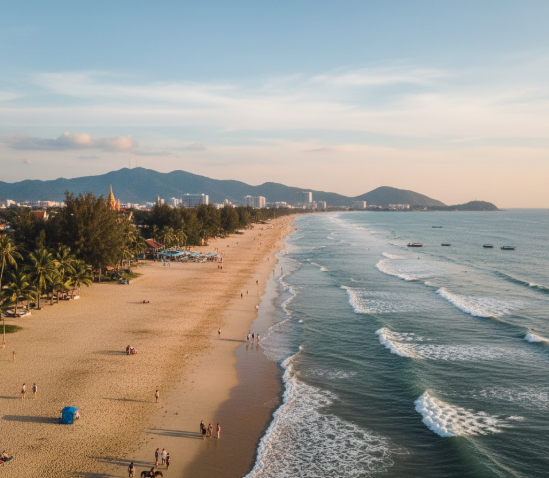
Thailand remains the biggest beneficiary of travelers skipping Bali.
But the smart shift is not Phuket.
Leisure travelers are choosing:
- Krabi for scenery without chaos
- Koh Yao Noi for low-key island life
- Koh Lanta for space and calm
Thailand offers better infrastructure, smoother transport, and clearer pricing. Unlike Bali, growth has been distributed across multiple destinations instead of concentrated in one pressure zone.
According to Tourism Authority of Thailand, secondary islands are seeing the highest satisfaction growth among leisure travelers.
Many travelers use the FlyFono AI Trip Planner to compare Thai islands side-by-side before booking.
2. Vietnam (Da Nang & Phu Quoc)
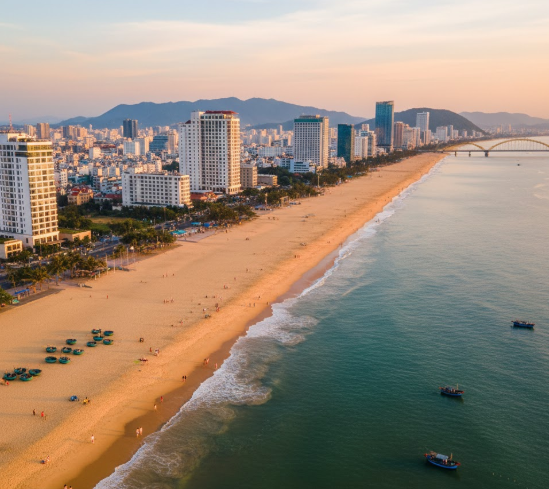
Vietnam is quietly becoming the most logical alternative for travelers skipping Bali 2026.
Da Nang offers:
- Clean beaches
- Modern hotels
- Lower prices
- Minimal crowd stress
Phu Quoc delivers resort-style relaxation without beach club overload.
Vietnam also benefits from strong price stability. Cost comparisons published by Numbeo consistently rank Vietnam as better value than Bali for accommodation, dining, and transport.
3. Sri Lanka (South Coast)
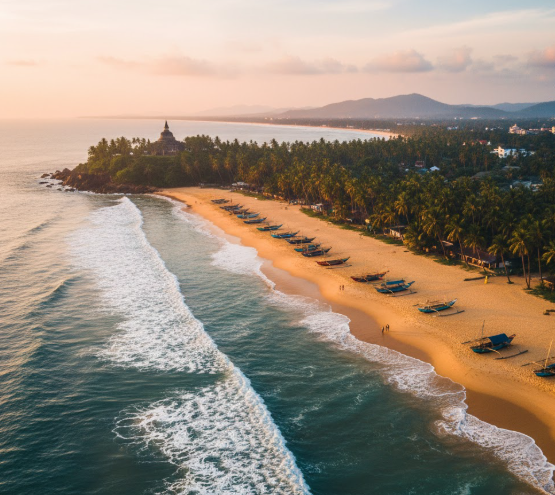
For travelers chasing pre-Instagram Bali vibes, Sri Lanka’s south coast is emerging as a favorite.
Destinations like Mirissa, Tangalle, and Weligama offer:
- Surf culture without saturation
- Wild beaches
- Lower density tourism
Unlike Bali, Sri Lanka still feels exploratory.
According to insights from Lonely Planet, Sri Lanka ranks high for travelers seeking authenticity over nightlife.
4. Japan (Okinawa)
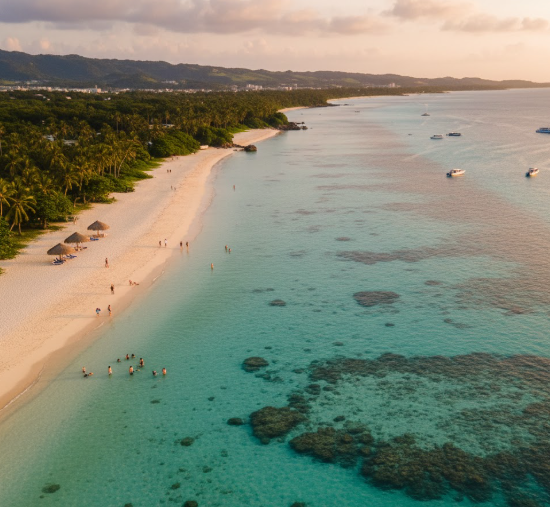
Okinawa surprises many travelers skipping Bali 2026.
It offers tropical beaches combined with Japanese efficiency.
Key advantages:
- World-class cleanliness
- Excellent public transport
- Predictable pricing
While not a budget destination, Okinawa delivers value through reliability—something Bali increasingly struggles with.
Travel trend analysis from Skift shows Okinawa attracting travelers tired of chaotic resort destinations.
5. Philippines (Palawan)
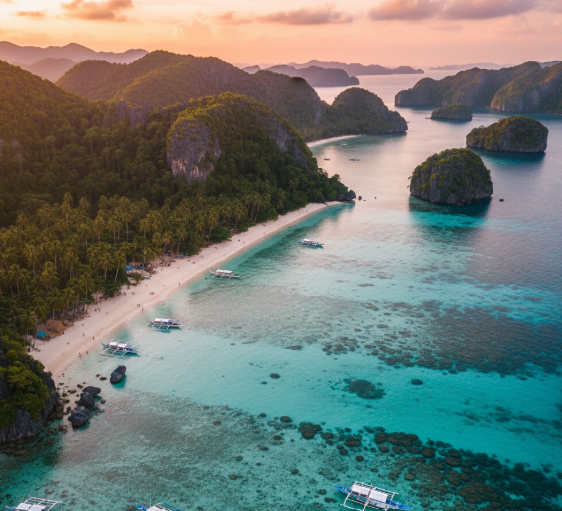
Palawan is what Bali used to feel like—minus the crowds.
El Nido and Coron deliver dramatic scenery without commercial overload.
Yes, infrastructure is less polished, but that is exactly why leisure travelers are choosing it.
For travelers prioritizing nature over nightlife, Palawan consistently outperforms Bali on emotional satisfaction.
6. Malaysia (Langkawi)
Langkawi offers one thing Bali no longer can: space.
Wide beaches, relaxed zoning laws, and less influencer tourism make it attractive for families and older leisure travelers.
Malaysia’s stable pricing and easy entry policies further support its rise among travelers skipping Bali 2026.
7. Cambodia (Koh Rong)
Koh Rong attracts travelers who want simplicity.
No beach clubs. No curated experiences. Just sand, water, and silence.
This destination appeals strongly to travelers burned out by Bali’s commercialization.
Quick Comparison: Bali vs Alternatives (2026)
| Factor | Bali | Alternatives |
|---|---|---|
| Crowds | High | Low to Moderate |
| Price Transparency | Inconsistent | Clear |
| Infrastructure | Strained | Improving / Stable |
| Relaxation Factor | Declining | Higher |
How Travelers Are Planning Smarter Trips in 2026
Instead of committing blindly, travelers skipping Bali are planning dynamically.
Tools like the FlyFono AI Trip Planner allow travelers to compare multiple destinations instantly—factoring in costs, pace, and visa ease before booking flights or hotels.
This shift explains why flexible itineraries are outperforming single-destination trips.
Frequently Asked Questions
Why are leisure travelers skipping Bali in 2026?
Leisure travelers are skipping Bali in 2026 due to overtourism, rising prices, traffic congestion, and travel burnout. Many feel the experience no longer matches the cost or expectations.
Is Bali overcrowded in 2026?
Yes, popular areas like Canggu, Seminyak, and parts of Ubud remain overcrowded year-round, with peak seasons experiencing severe congestion and long wait times.
Is Bali still worth visiting in 2026?
Bali can still be worth visiting for repeat travelers who avoid peak zones and travel off-season. However, first-time leisure travelers often find better value and relaxation in alternative destinations.
Where are travelers going instead of Bali in 2026?
Travelers skipping Bali in 2026 are choosing destinations such as Thailand (Krabi, Koh Lanta), Vietnam (Da Nang, Phu Quoc), Sri Lanka, Okinawa in Japan, and Palawan in the Philippines.
What destinations offer Bali vibes without the crowds?
Destinations like Koh Yao Noi, Langkawi, Phu Quoc, and Sri Lanka’s south coast offer tropical scenery, culture, and slower travel without Bali’s overcrowding.
Is Bali more expensive than nearby Asian destinations?
In many tourist areas, Bali is now as expensive as Thailand or Vietnam while offering less reliable infrastructure and transportation, making alternatives more attractive.
How can I plan a Bali alternative trip easily?
Using tools like an AI-powered trip planner allows travelers to compare destinations, costs, visa rules, and pacing before booking, helping avoid overcrowded hotspots.
Final Verdict: Skipping Bali Is a Rational Choice
Leisure travelers skipping Bali 2026 are not trend-chasing.
They are making calculated decisions based on value, comfort, and experience quality.
Bali will adapt. Destinations always do.
But for now, the smartest travelers are choosing places that still feel like vacations—not endurance tests.