
Shirakawago Travel Guide: 9 Essential Things You Must Know Before Visiting
Shirakawago is the kind of place that looks unreal until you actually arrive and realise, yes, the snow really is that dramatic, and yes, the houses really do look like someone copy-pasted a fairy-tale village into the mountains. This Shirakawago travel guide cuts through the romantic Instagram fog and tells you what actually matters: how to get there, how much it costs, what to book, and how to avoid the rookie mistakes that guarantee stress instead of snow-covered serenity.
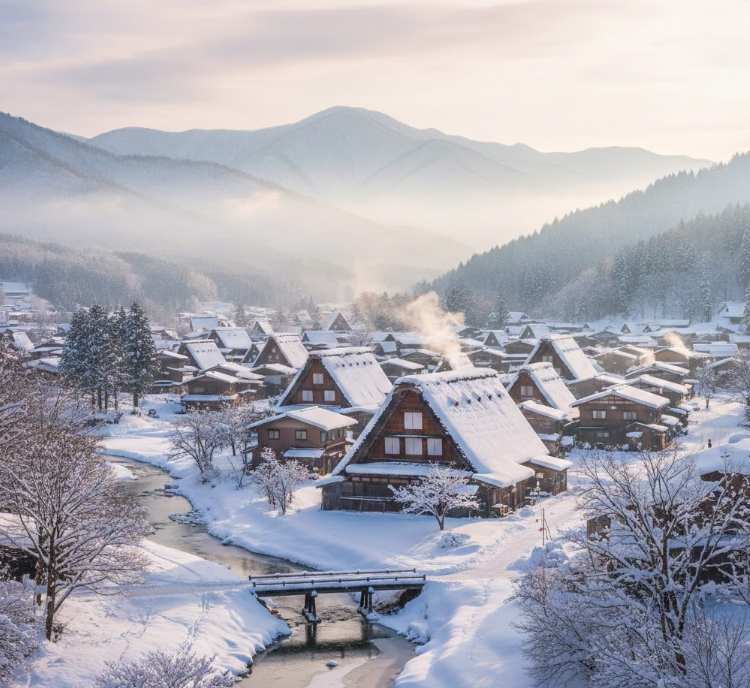
Table of Contents
- 1. Why Shirakawago Is Worth Visiting
- 2. Best Time To Visit Shirakawago
- 3. How To Get To Shirakawago (From Takayama, Kanazawa, Nagoya)
- 4. Bus Tickets, Schedules, and Why You Should Not “Just Show Up”
- 5. What To Do in Shirakawago (Besides Taking 400 Photos)
- 6. How To Reach the Famous Viewpoint
- 7. What To Eat in Shirakawago
- 8. Where To Stay in Shirakawago
- 9. Common Mistakes Travellers Make
- Bonus: Sample Shirakawago Day Trip Itineraries
- Bonus: What To Pack for Shirakawago
- Bonus: Guided Tour vs DIY – Which Is Better?
- Bonus: Budget & Cost Breakdown
- Shirakawago Travel Guide – FAQs
1. Why Shirakawago Is Worth Visiting
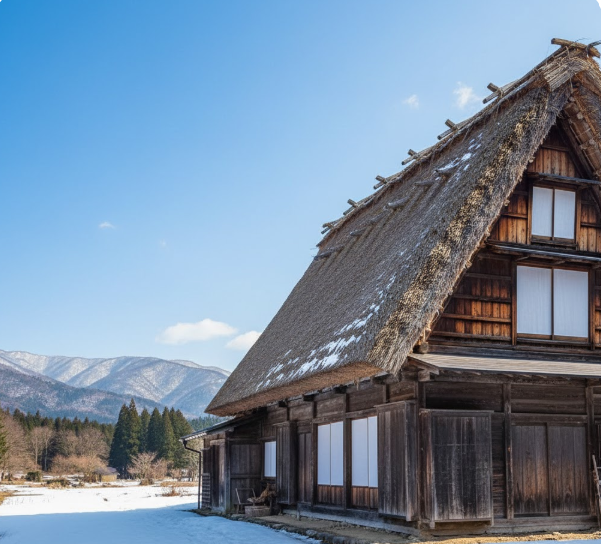
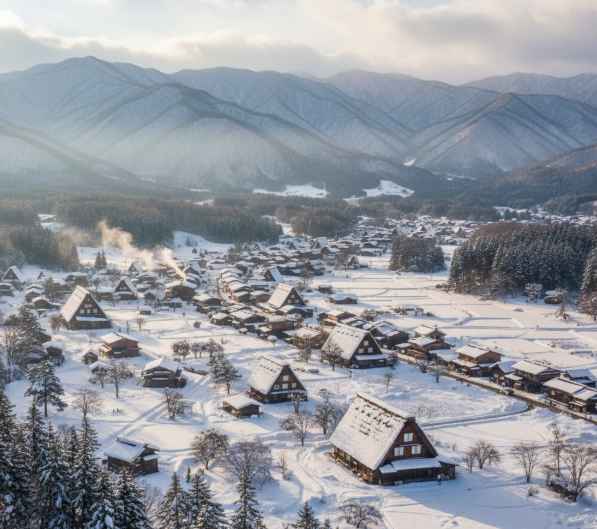
If you have seen those postcard images of wooden houses with steep thatched roofs covered in a thick white blanket of snow, that is Shirakawago. The village is famous for its Gassho-zukuri houses, designed centuries ago to survive heavy winter snowfall with roofs shaped like hands in prayer.
But this Shirakawago travel guide is not here to romanticise. Here is the honest truth:
- It is touristy — accept it, or you will just be irritated the whole day.
- It is stunning — even on crowded days, the scenery is ridiculous.
- You cannot rush the visit — buses leave when they want, not when you want.
If you want a Japan trip with at least one magical, picture-perfect moment, Shirakawago delivers without trying too hard. The point of this Shirakawago travel guide is to help you get that moment without chaos around it.
2. Best Time To Visit Shirakawago
There is no wrong season, but each one gives a completely different mood. This Shirakawago travel guide breaks it down without drama.
Winter (December–February)
Snow. Pure magic. Also slippery paths, packed buses, and colder wind than expected. If you want the classic fairytale look, winter is unbeatable, but you must plan your transport well in advance.
Autumn (October–November)
Golden leaves, fewer crowds, and perfect walking weather. Many travellers who read a realistic Shirakawago travel guide actually prefer this season over winter because the experience feels calmer and less intense.
Spring (March–April)
Cherry blossoms are hit-or-miss, but you still get pleasant weather and fully accessible roads. It is a good compromise if you want nicer temperatures and beautiful views without extreme cold.
Summer (June–August)
Green, lush, and peaceful — and secretly underrated. No snow, but excellent for photography, especially if you like bright, saturated landscapes rather than winter scenes.
3. How To Get To Shirakawago (Takayama, Kanazawa, Nagoya)
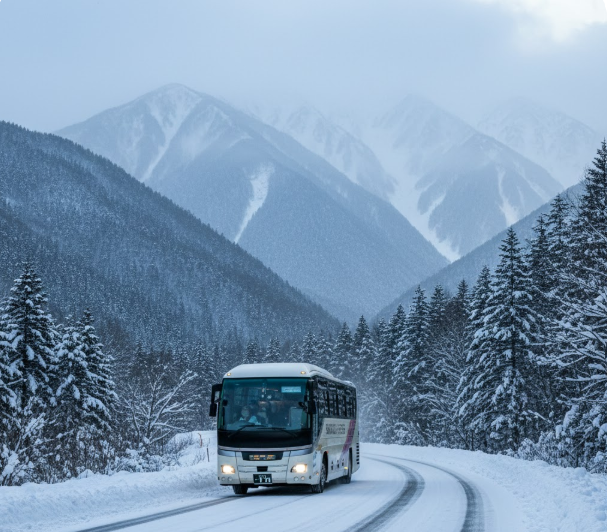
Shirakawago has no train station. No Shinkansen. No secret shortcut. You get there by bus or by booking a guided tour. A good Shirakawago travel guide starts by forcing you to accept this basic fact.
Best Option: Book a Bus or Day Tour
Here are the most reliable and stress-free options:
- Tours from Takayama: Comfortable, English guide, no need to fight for bus seats.
- Tours from Kanazawa: Great if you are staying near the coast or doing a loop.
- Multi-stop tours: Combine Shirakawago, Hida Folk Village, or Gokayama.
Smart move: Book your bus or tour on Klook (usually the cheapest and easiest for travellers).
From Takayama
Direct bus: about 50 minutes. Comfort level: high. Views: excellent. Stress level: low if you booked in advance.
From Kanazawa
Direct bus: about 75 minutes. Slightly fewer tourists board from here, so it can be a more relaxed starting point.
From Nagoya
Longer ride (around 3 hours), but convenient if you are basing yourself in a big city and doing multiple side trips outwards.
4. Bus Tickets, Schedules, and Why You Should Not “Just Show Up”
Old advice says you can buy your ticket on arrival. That worked years ago. Not anymore. If this Shirakawago travel guide can save you from one disaster, it is this: book your seat in advance.
New reality:
- Buses sell out fast during winter and autumn.
- Your return bus timing matters — miss it, and your day becomes unnecessarily dramatic.
- Queues are long enough to test your patience and your footwear.
Better plan: Book your bus seats or tour online through Klook: Shirakawago Bus Passes & Day Tours.
Round-trip tickets are the safest option unless you enjoy uncertainty as a travel theme.
5. What To Do in Shirakawago (Besides 400 Photos)
Once you arrive, the village is surprisingly walkable. But do not expect adrenaline activities. This is calm countryside, not chaotic city energy. A realistic Shirakawago travel guide tells you that the vibe is slow, simple, and scenic.
Top Things to Do
- Explore the Gassho-style houses — several are open as museums with interesting interiors.
- Visit Wada House — one of the most famous and historically rich houses in the village.
- Stroll along the river — quiet paths and scenic views, especially in autumn and spring.
- Try local snacks like Hida beef skewers and regional sweets.
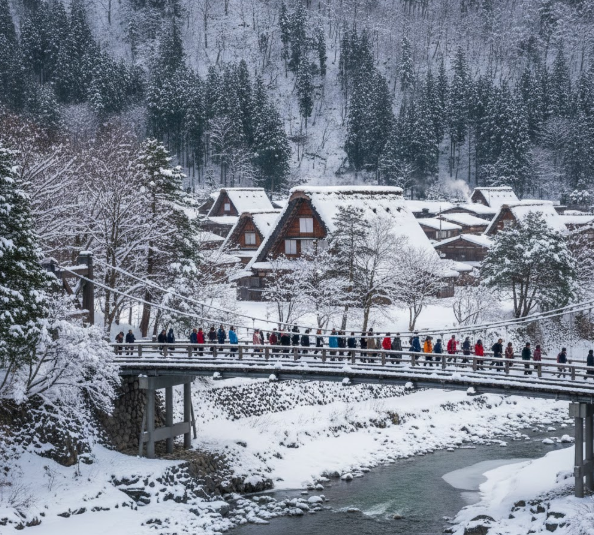
- Walk the suspension bridge — the dramatic entrance and exit of the village.
6. How To Reach the Famous Viewpoint
The viewpoint (Shiroyama Observatory Deck) is where all the iconic photos come from. Every honest Shirakawago travel guide will tell you: if you skip this, you will regret it later.
You have three options:
1. Walk Up (Free)
About 20–25 minutes. Uphill, but manageable. In icy conditions it can be slippery, so wear proper shoes.
2. Shuttle Bus
Convenient and cheap. Operates frequently during peak seasons, especially winter light-up and busy weekends.
3. Taxi
Possible but not always available. Do not rely on this as your main plan.
Either way, build this viewpoint into your schedule. Your photos, and your memory of the trip, will thank you.
7. What To Eat in Shirakawago
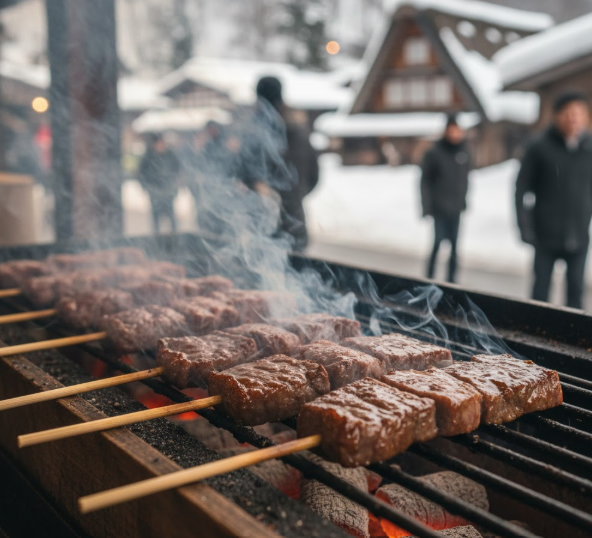
The food scene is small but surprisingly satisfying. Here is what this Shirakawago travel guide recommends trying while you are in the village:
- Hida Beef – grilled skewers and small bites are easy to find and perfect as a warm snack.
- Soba noodles – simple, comforting, ideal in cold or rainy weather.
- Gohei Mochi – grilled rice cake with a savoury miso sauce.
- Local sweets and soft-serve – seasonal flavours appear depending on the time of year.
Restaurants and cafés are limited, so do not expect huge variety or trendy menus. Think traditional, local, and minimal rather than big-city choice.
8. Where To Stay in Shirakawago
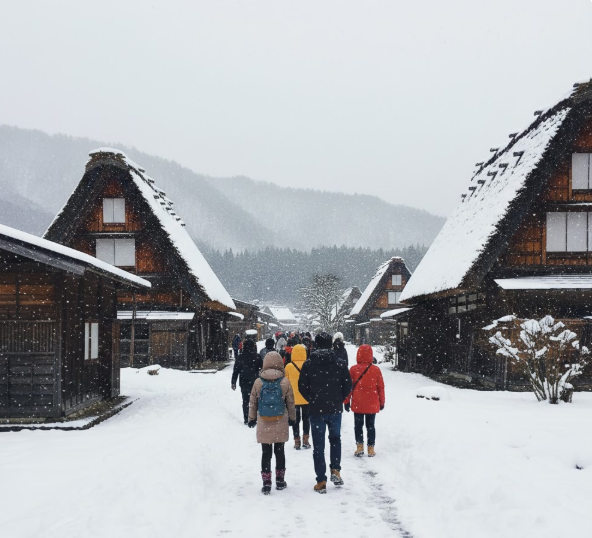
If you want to stay overnight in a Gassho-style house, you must book months in advance. These traditional guesthouses are extremely limited and very popular with travellers who read a detailed Shirakawago travel guide and want a deeper experience.
Pros of Staying Overnight
- Early-morning views with almost no tourists.
- Traditional Japanese rooms, tatami floors, and local meals.
- A calm, quiet atmosphere once the day-trip crowds disappear.
Cons
- Guesthouses fill up very quickly.
- Facilities are basic compared to city hotels.
- Prices are higher during peak seasons.
Most travellers prefer staying in Takayama or Kanazawa and doing a day trip — honestly the most efficient choice. If you are designing a longer Japan route, combine this with a wider trip like a 14 day Japan itinerary so the travel time feels worth it.
9. Common Mistakes Travellers Make
Mistake 1: Not Booking Buses Early
Winter seats vanish faster than you expect. If there is one rule this Shirakawago travel guide wants to push, it is this: secure your transport first. Book your Shirakawago Bus Pass or day tour on Klook here.
Mistake 2: Wearing Fashion Shoes in Winter
You will slip. It is not “if”, it is “when”. Wear proper boots or shoes with grip.
Mistake 3: Rushing the Visit
You need at least 2–3 hours for a basic visit. More if you want to move slowly, drink coffee, and visit museums.
Mistake 4: Ignoring Weather Forecasts
Snowstorms and heavy rain can affect bus schedules and visibility. Check the forecast and keep your plans flexible.
Mistake 5: Not Packing Travel Essentials
Stay connected and be prepared for unexpected events
Bonus: Sample Shirakawago Day Trip Itineraries
A good Shirakawago travel guide does not just tell you what to see; it gives you a plan. Here are simple sample itineraries.
Half-Day Trip from Takayama (Fast & Efficient)
- 08:00 – Bus from Takayama to Shirakawago
- 09:00 – Arrive, cross the suspension bridge, first photos
- 09:30 – Walk through main street, quick snacks
- 10:15 – Visit Wada House or another Gassho-style house
- 11:15 – Shuttle or walk up to the viewpoint
- 12:00 – Photos at the observatory, light snack
- 13:00 – Bus back to Takayama
Full-Day Trip from Kanazawa (Relaxed Pace)
- 08:00 – Bus from Kanazawa
- 09:15 – Arrive at Shirakawago, coffee stop
- 10:00 – Explore village and visit a museum house
- 11:30 – Lunch (soba or Hida beef)
- 13:00 – Walk to the river and quiet side streets
- 14:00 – Viewpoint by shuttle bus
- 15:00 – Last photos and snack stop
- 16:00 – Return bus to Kanazawa
If you are combining this with a wider route through Japan, you can easily plug this plan into your 14 day Japan itinerary or any custom route you are creating.
Bonus: What To Pack for Shirakawago
Every practical Shirakawago travel guide should include a packing list, because this is where most people mess up.
Winter Packing Essentials
- Waterproof boots with grip
- Thermal base layers
- Gloves, hat, and scarf
- Warm waterproof jacket
- Power bank (cold drains phone battery fast)
Non-Winter Essentials
- Comfortable walking shoes
- Light jacket or windbreaker
- Reusable water bottle
- Small umbrella or raincoat
Bonus: Guided Tour vs DIY – Which Is Better?
This is where most travellers hesitate. A transparent Shirakawago travel guide should give you the pros and cons clearly, not push you in one direction.
Guided Tour – Pros
- No stress about bus tickets or timings.
- Clear schedule with enough time in the village.
- English-speaking guide explains history and culture.
Guided Tour – Cons
- Less flexibility; you follow the group’s timing.
- Sometimes more expensive than DIY buses.
DIY – Pros
- Complete control over your schedule.
- Can decide to stay longer or shorter.
- Can combine with other stops how you like.
DIY – Cons
- Need to handle bus bookings yourself.
- Higher stress in peak season if buses are full.
Bonus: Budget & Cost Breakdown
No Shirakawago travel guide feels complete without at least a rough cost estimate. Prices vary, but this will give you a realistic picture.
- Return bus from Takayama: usually equivalent of a mid-range restaurant meal.
- Return bus from Kanazawa: slightly higher, but still reasonable.
- Entrance to museum houses: low-cost, worth it for the interiors.
- Snacks and lunch: budget for at least one proper meal plus extras.
- Guided tours: more than DIY but include transport and planning.
If you are trying to keep costs under control, combine this with other smart decisions from your wider Asia planning, like using flexible flights and value hotels that you might already be booking via your Best time to visit Thailand or Phu Quoc guides.
Shirakawago Travel Guide – FAQs
Is Shirakawago worth visiting?
Yes. If you like unique traditional architecture, mountain scenery, and calm village vibes, it is absolutely worth the time. This Shirakawago travel guide exists because the place genuinely delivers a special experience.
How long do I need in Shirakawago?
Minimum 2–3 hours, including the viewpoint. A full day is ideal if you want a slower pace.
Can I visit Shirakawago with kids or older travellers?
Yes, but be careful in winter conditions. Stick to main paths and consider using the shuttle to reach the viewpoint instead of walking.
Do I need cash?
Some shops accept cards, but having some cash is still convenient in small villages.
Final Thoughts: Why This Shirakawago Travel Guide Matters
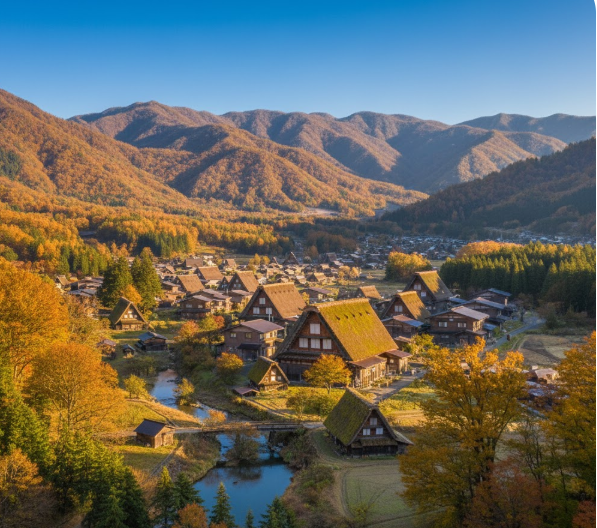
This Shirakawago travel guide is designed to give you a realistic and helpful understanding of what actually happens during a visit — not the polished postcard version that hides the crowds, the slippery paths, or the importance of bus reservations. Shirakawago is undeniably magical, but your experience depends heavily on timing, transport planning, and understanding the seasonal variations that change everything from accessibility to atmosphere. Whether you want snowy rooftops, golden leaves, or peaceful summer greens, this guide ensures you know exactly what to expect so your day is smooth, organised, and genuinely enjoyable.
By following the advice in this Shirakawago travel guide, you avoid the classic mistakes that frustrate most travellers: arriving without booked seats, packing the wrong clothing, skipping the viewpoint, or underestimating how long you need to explore. Shirakawago rewards preparation. With the right planning, smart transport choices, and awareness of seasonal conditions, your trip becomes one of the most memorable highlights of Japan — a rare mix of calm, heritage, and surreal landscape. Use this guide as your go-to reference, plan smarter, and enjoy the village the way it deserves to be experienced.
Pingback: 15 Best Day Trips from Osaka and Kyoto: Perfect One-Day Itineraries You Can Actually Do - FlyFono