
The practical takeaway
The Osaka vs Tokyo debate: Why Americans Are Suddenly Choosing Osaka Instead of Tokyo in 2026 Osaka vs Tokyo: Tokyo Did Not Lose Its Charm, It Lost Its Balance For decades, the American travel playbook for Japan was painfully predictable. Fly into…
The Osaka vs Tokyo debate: Why Americans Are Suddenly Choosing Osaka Instead of Tokyo in 2026
Osaka vs Tokyo: Tokyo Did Not Lose Its Charm, It Lost Its Balance
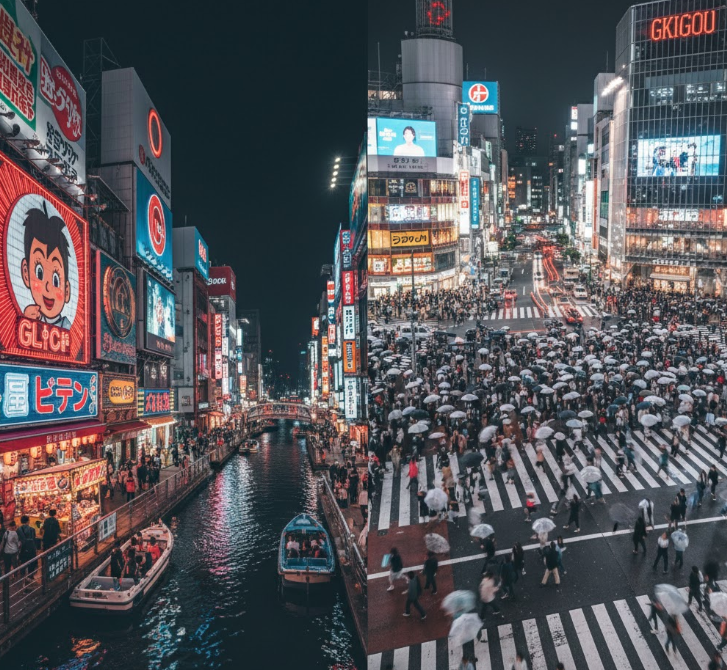
For decades, the American travel playbook for Japan was painfully predictable. Fly into Tokyo, stay in a microscopic hotel room, fight crowds at Shibuya Crossing, eat incredible food at exhausting prices, and leave convinced Japan was unforgettable but overwhelming.
That formula is quietly collapsing.
In 2026, a growing number of American travelers are skipping Tokyo entirely or drastically shortening their stay and heading straight to Osaka. This is not a TikTok trend or a budget-backpacker hack. It is a deliberate shift driven by cost, comfort, crowd fatigue, and a changing definition of what “authentic travel” actually means.
The Osaka vs Tokyo debate used to be theoretical. Now it is practical. And Osaka is winning.
Image prompt: Split image showing crowded Shibuya Crossing versus relaxed Osaka street at night
The Osaka vs Tokyo debate is no longer a theoretical travel discussion. For American travelers planning Japan in 2026, Osaka vs Tokyo has become a practical decision based on cost, crowds, comfort, and overall travel ease. While Tokyo remains iconic, the Osaka vs Tokyo comparison now favors Osaka for travelers who value experience over exhaustion.
Tokyo Did Not Lose Its Charm. It Lost Its Balance.
Tokyo is still one of the greatest cities on Earth. That is not up for debate. The problem is that everyone agrees.
Post-pandemic travel demand, a historically weak yen, and nonstop exposure on social media have turned Tokyo into a pressure cooker. Hotels that once felt reasonably priced now resemble Manhattan rates with capsule-sized rooms. Restaurants feel rushed. Attractions feel permanently congested.
For first-time American visitors, Tokyo increasingly feels like a checklist rather than an experience.
Osaka does not suffer from this problem.
Yes, Osaka is busy. Yes, it is urban. But it does not feel strained. You can walk into restaurants without booking weeks in advance. You can find hotels that feel human-sized. You can wander without feeling like part of a moving crowd conveyor belt.
This is the first reason Americans are choosing Osaka over Tokyo: the city still allows breathing room.
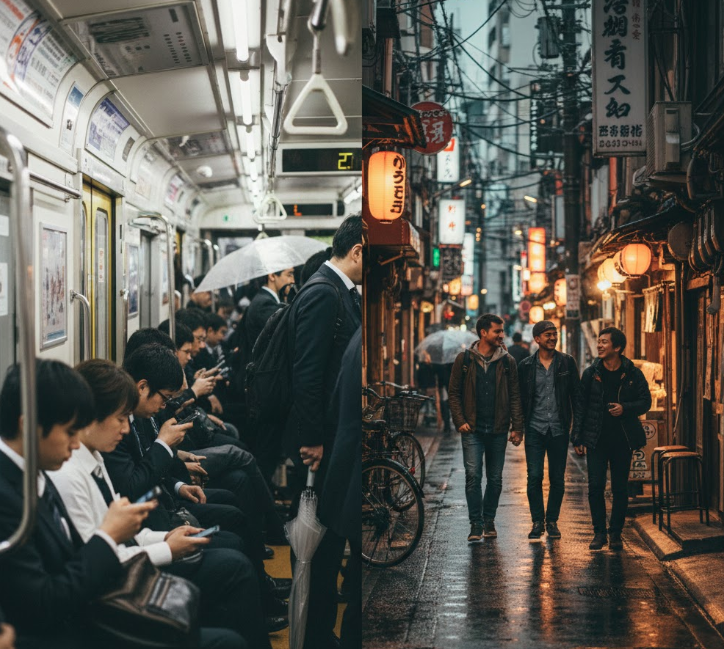
Osaka Feels Friendlier to Americans Without Feeling Artificial
Tokyo expects you to adjust quickly. Osaka meets you halfway.
This distinction matters more than travel blogs like to admit.
Osaka is known within Japan for being louder, warmer, and less formal. Locals joke more. Shop owners talk back. Restaurant staff are more forgiving with language mistakes. English menus are common, not performative.
For Americans who want cultural immersion without social anxiety, Osaka provides a smoother landing.
This does not mean Osaka is “Westernized.” It means it is approachable. The city does not test you. It invites you.
In the Osaka vs Tokyo equation, approachability is now a deciding factor.
Food in Osaka Is Built for Eating, Not Performing
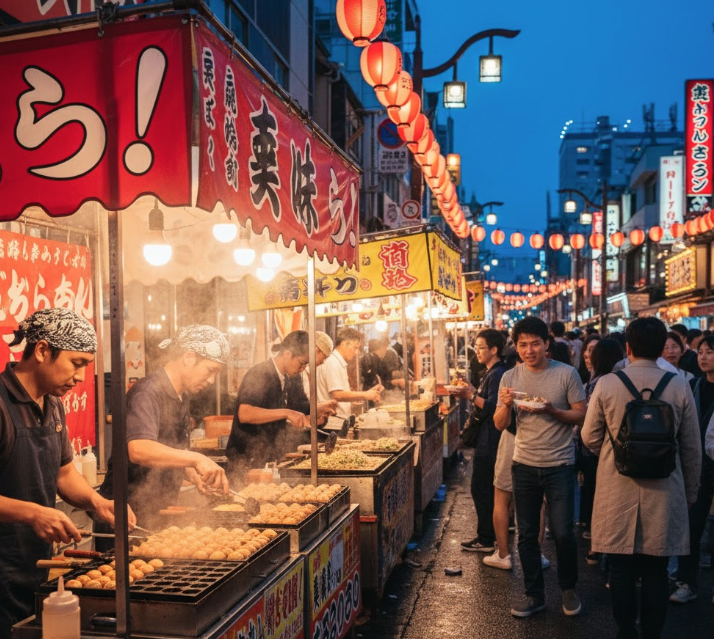
Tokyo dominates Michelin rankings. Osaka dominates reality.
Osaka is often called “Japan’s kitchen,” and this is not branding fluff. It is a reflection of how deeply food is woven into daily life here.
Street food in Osaka exists for locals first. Takoyaki stalls are generational. Okonomiyaki shops are neighborhood institutions. Late-night eateries cater to workers finishing long shifts, not content creators chasing aesthetics.
In Tokyo, food can feel curated and transactional. In Osaka, food feels communal.
For American travelers who are tired of reservation-only dining and algorithm-approved restaurants, Osaka feels refreshingly honest.
You eat because you are hungry. Not because the place went viral.
If you are planning a Japan trip as part of a broader seasonal itinerary, you may also want to read our guide on best places to visit in spring 2026 , where Osaka consistently ranks higher than Tokyo for comfort and value.
Osaka Is a Smarter Base for Seeing Real Japan
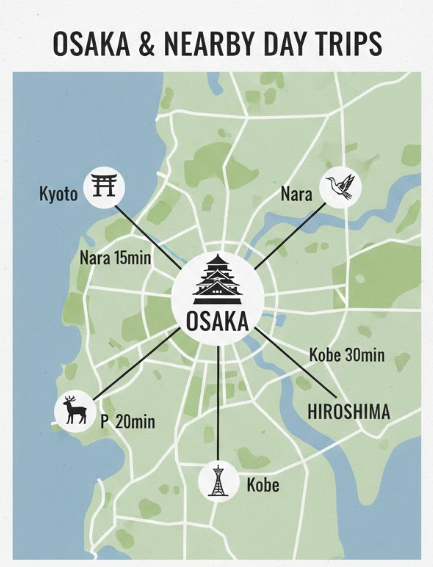
Tokyo is massive, but it is not central.
Osaka sits in western Japan, perfectly positioned for the destinations Americans actually want to visit.
- Kyoto: 15 minutes by train
- Nara: Under 1 hour
- Kobe: 30 minutes
- Hiroshima: Easy day or overnight trip
From Osaka, Japan feels compact and accessible.
From Tokyo, Japan feels spread out and time-consuming.
This logistical reality is a major reason experienced travelers now prefer Osaka over Tokyo. Less transit fatigue means more actual travel.
Hotel Value Is No Longer Comparable
Tokyo hotel pricing has detached from reality.
American travelers are discovering that the same budget buys radically different experiences in Osaka.
In Osaka, you are more likely to get:
- Larger rooms
- Newer mid-range hotels
- Less aggressive pricing during peak seasons
In Tokyo, you are more likely to get:
- Smaller rooms
- Higher nightly rates
- Limited availability unless booked far in advance
When Americans compare value side by side, Osaka increasingly feels like the rational choice.
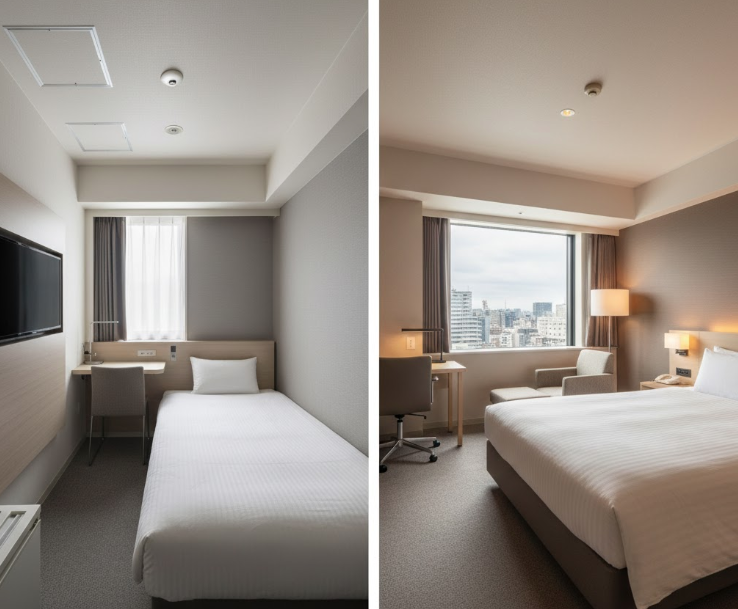
Image prompt: Comparison of Osaka hotel room size versus Tokyo hotel room size
The Rise of Value-Conscious American Travelers
This shift is not happening in isolation.
Americans are reassessing travel costs globally. Flights, hotels, and experiences are being evaluated more critically than before.
That is why tools and hacks that reduce friction are exploding in popularity.
Osaka aligns perfectly with this mindset. It offers high-quality experiences without forcing travelers into premium pricing brackets.
Social Media Exposed Tokyo’s Weaknesses
Social media did not destroy Tokyo. It revealed its pressure points.
Overcrowded crossings. Long queues. Overpriced cafés. Rushed experiences. These visuals are now part of the public narrative.
Osaka content tells a different story.
It looks spontaneous. It looks relaxed. It looks fun.
Perception shapes demand, and demand is shifting.
This mirrors what we are seeing in Europe as well. Americans are making similar choices in cities like Prague, which you can explore in our article: Why Americans Are Flocking to Prague .
Osaka Is Not Better Than Tokyo. It Is Easier.
This is the most important distinction.
Osaka is not replacing Tokyo as Japan’s icon. It is replacing Tokyo as the default choice.
Easier navigation. Easier dining. Easier budgeting. Easier enjoyment.
For Americans planning trips in 2026, ease is no longer optional. It is essential.
And that is why Osaka is winning the Osaka vs Tokyo debate right now.
Authoritative Sources Supporting the Osaka Travel Shift
Official tourism and transport data also support the growing preference for Osaka among international travelers:
- Japan National Tourism Organization – Osaka Travel Guide
- JR West Rail Pass & Kansai Transport Information
- Statista – Japan Tourism and Visitor Trends
Osaka vs Tokyo: Crowds, Pace, and Daily Travel Reality
One of the biggest differences Americans notice when comparing Osaka vs Tokyo is not landmarks or food quality, but daily rhythm.
Tokyo operates at maximum efficiency and maximum density. Trains are flawless but packed. Sidewalks are orderly but crowded. Popular districts feel like controlled systems rather than living neighborhoods.
Osaka moves differently.
The city feels looser, louder, and less compressed. Trains are busy but manageable. Streets feel active rather than overwhelming. Even in tourist-heavy areas like Dotonbori, the crowd energy feels social instead of stressful.
For American travelers who value comfort over intensity, Osaka wins the Osaka vs Tokyo comparison on pace alone.
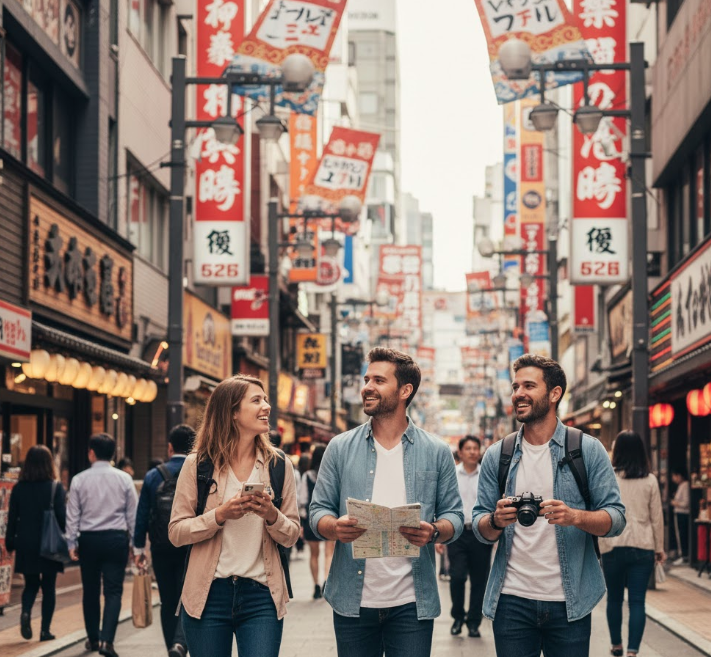
Image prompt: Busy Tokyo subway versus relaxed Osaka street scene
Osaka vs Tokyo for First-Time Japan Visitors
First-time travelers experience Japan differently from repeat visitors. This is where the Osaka vs Tokyo debate becomes especially relevant.
Tokyo demands fast adaptation. Complex train systems, unspoken social rules, and constant stimulation can exhaust newcomers within days.
Osaka, by contrast, offers a softer introduction to Japan.
- Simpler navigation between key areas
- More forgiving dining culture
- Greater tolerance for cultural mistakes
Americans visiting Japan for the first time increasingly start in Osaka, then decide whether Tokyo is even necessary.
That reversal was rare a decade ago. Today, it is becoming common.
Osaka vs Tokyo: Cost Breakdown for American Travelers
Cost sensitivity is driving travel decisions worldwide, and the Osaka vs Tokyo cost gap has widened noticeably.
| Expense Category | Osaka | Tokyo |
|---|---|---|
| Mid-range hotel (per night) | Lower, better room size | Higher, smaller rooms |
| Local dining | Affordable, casual | Higher average spend |
| Transit within city | Simple and cheaper | Efficient but complex |
| Day trips | Short, low-cost | Longer, higher cost |
When Americans evaluate Osaka vs Tokyo as a total trip cost rather than individual expenses, Osaka consistently delivers better value.
Osaka vs Tokyo for Families, Couples, and Solo Travelers
Different traveler profiles experience Osaka vs Tokyo very differently.
Families
Osaka is calmer, more walkable, and offers larger hotel rooms. Attractions are closer together, reducing transit fatigue for children.
Couples
Osaka offers intimate food experiences, late-night neighborhoods, and easy romantic day trips to Kyoto or Kobe.
Solo Travelers
Osaka’s social dining culture makes eating alone comfortable. Locals are more conversational, reducing isolation.
Across all profiles, Osaka scores higher for emotional comfort.
Why Americans Are Rethinking “Must-See” Cities
Travel priorities have shifted.
Americans are no longer chasing cities just because they are famous. They are choosing destinations that feel manageable, flexible, and human.
This is the same trend driving Americans toward cities like Prague instead of Paris or regional hubs instead of capital cities.
If you have not already, read our related analysis: Why Americans Are Flocking to Prague .
Osaka fits squarely into this global recalibration.
Osaka vs Tokyo: The Cultural Experience Question
Tokyo showcases Japan’s future. Osaka reflects its present.
Tokyo impresses. Osaka connects.
In the Osaka vs Tokyo cultural experience, Osaka offers:
- Neighborhoods that feel lived-in
- Small businesses with personality
- Casual interactions that feel genuine
Tokyo often feels like a global city that happens to be Japanese. Osaka feels Japanese first.
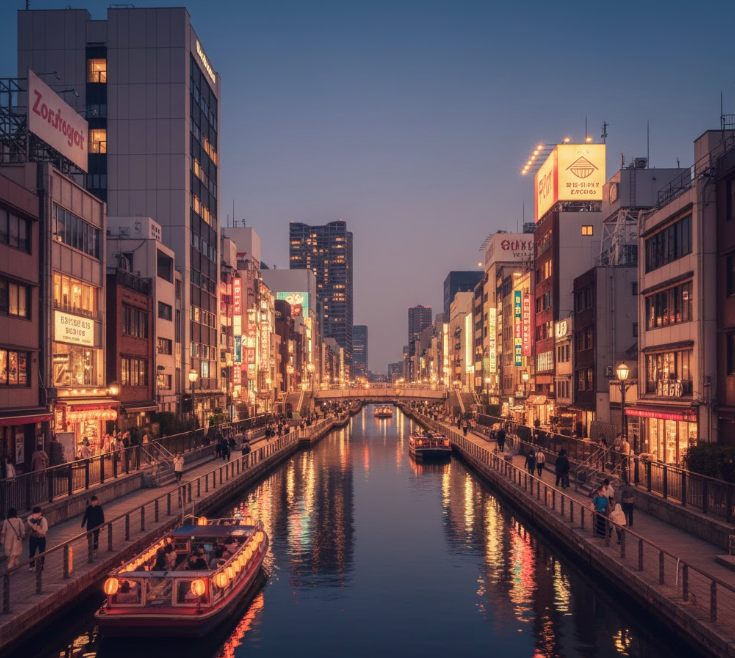
Image prompt: Osaka local market versus Tokyo luxury shopping street
Frequently Asked Questions: Osaka vs Tokyo
Is Osaka better than Tokyo for first-time visitors?
For many Americans, yes. Osaka is easier to navigate, more affordable, and less overwhelming, making it ideal for first-time trips.
Should Americans skip Tokyo completely?
Not necessarily. Many travelers now start in Osaka and add Tokyo only if time and budget allow.
How many days are ideal in Osaka?
Four to five days is ideal, especially if using Osaka as a base for Kyoto, Nara, and Kobe.
Is Osaka cheaper than Tokyo?
Yes. In most categories including hotels, food, and day trips, Osaka offers better value.
Does Osaka feel less authentic than Tokyo?
Many travelers argue the opposite. Osaka often feels more local and less commercialized.
Final Verdict: Osaka vs Tokyo in 2026
Tokyo remains iconic. That is not changing.
But the default choice has shifted.
In 2026, Americans choosing between Osaka vs Tokyo are prioritizing ease, value, and emotional experience over prestige.
Osaka is not replacing Tokyo. It is redefining what a great Japan trip looks like.
And that is why Americans are choosing Osaka—quietly, consistently, and with no regrets.
Continue planning
Your most useful next steps
Move from reading to one clear travel decision.