
The practical takeaway
7 Facts on Middle East Flight Safety Right Now (No Panic, Just Reality) Search trends spike every time there is tension in the Middle East. Flights, airports, and entire countries suddenly feel unsafe—even when nothing has changed operationally. If you are questioning…
7 Facts on Middle East Flight Safety Right Now (No Panic, Just Reality)

Search trends spike every time there is tension in the Middle East. Flights, airports, and entire countries suddenly feel unsafe—even when nothing has changed operationally.
If you are questioning Middle East flight safety right now, you are not wrong to ask. But most answers online are emotional, vague, or outright misleading.
This article exists to replace panic with facts.
No politics. No speculation. No “cancel everything” advice. Just how commercial aviation actually works and what that means for travelers today.
With the current situation in Middle East as of March 2026, it is highly suggested that you look into option of buying relevant insurances via Ekta Insurance.
There is option to Claim up to €600 per passenger in case of: Missed connection, Delayed flight, Cancelled flight, Denied boarding via Compensair
Or book via Trip.com for flexible cancellations or refunds.
Table of Contents
Fact #1: The Middle East Is Not a Single Risk Zone
The Middle East is treated in headlines as one unstable block. That is lazy geography and even lazier risk assessment.
The region includes countries with completely different political systems, security environments, and aviation oversight. A security incident in one area does not automatically raise the risk level everywhere else.
From an aviation perspective, risk is evaluated by:
- Specific airspace corridors
- Missile range and military activity
- GPS interference reports
- Insurance underwriting limits
This is why flights to Dubai, Doha, Riyadh, and Abu Dhabi continue normally even when headlines suggest chaos.
Middle East flight safety is not regional. It is route-specific.
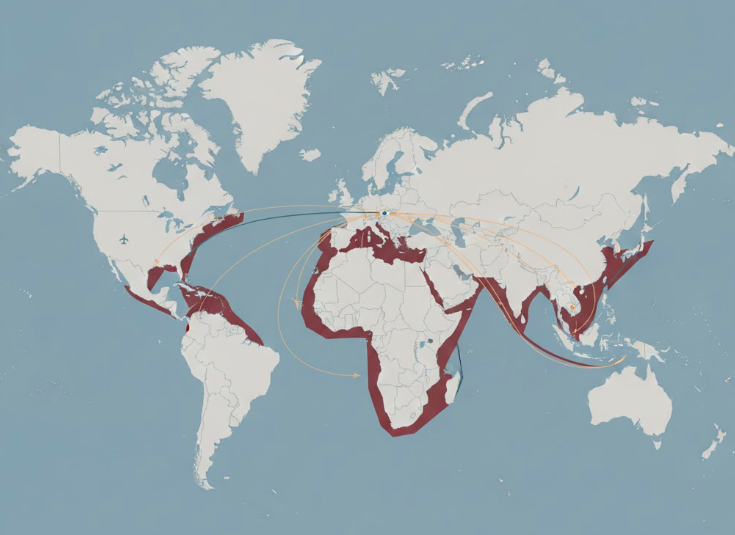
Fact #2: Airlines Reroute Long Before Danger Appears
Commercial airlines are not brave. They are conservative to the point of paranoia—and that is exactly why flying is safe.
Every major airline operates under constant monitoring from international aviation bodies, military airspace alerts, and insurers. If an airspace shows elevated risk, airlines do not wait for confirmation. They reroute.
This is why you may notice:
- Longer flight times
- Unexpected detours over Europe or Central Asia
- Temporary suspension of specific routes
These changes are not warning signs. They are proof that safety protocols are working as designed.
No airline wants to be remembered as the one that ignored early warnings.
Fact #3: Flying Over a Country Is Not the Same as Entering It
This is one of the most misunderstood aspects of Middle East flight safety.
You can avoid a country entirely while still reaching your destination. Modern flight planning allows aircraft to bypass entire regions without passengers ever noticing.
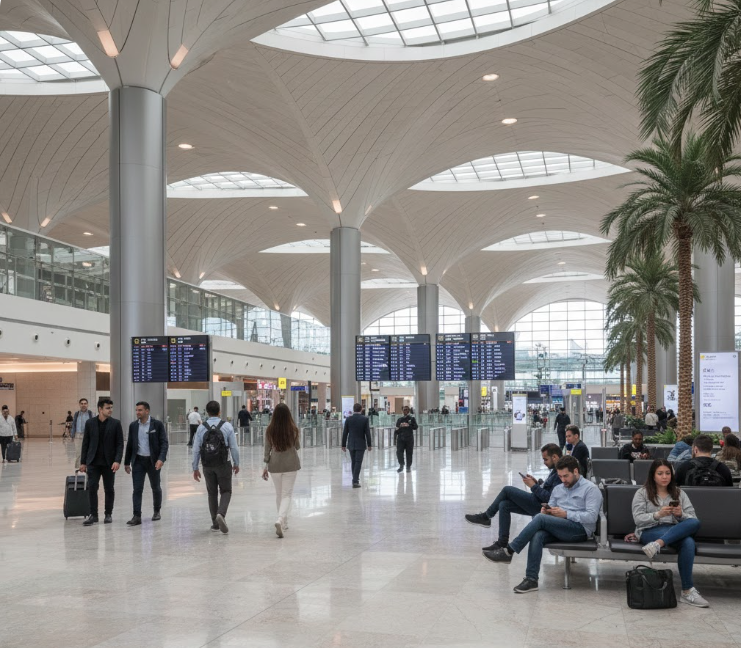
Even when you transit through Middle Eastern hubs, you remain inside highly secured international airport zones. You are not exposed to street-level conditions, protests, or local disruptions.
If transit itself became unsafe, airlines would suspend connections immediately. No major carrier risks its hub operations.
This is why Middle Eastern airports remain among the busiest transit points in the world during global crises.
Fact #4: Several Middle Eastern Countries Are Exceptionally Safe to Fly To
Safety varies by country, and pretending otherwise helps nobody.
Countries with consistently strong aviation safety records and stable airport operations include:
- United Arab Emirates
- Qatar
- Saudi Arabia
- Oman
- Jordan
These countries invest heavily in airspace control, airport security, and redundancy planning. Their airports are built to function under stress, not just during calm periods.
If you are deciding between major hubs, these internal comparisons offer practical insights:
- Riyadh vs Dubai: What Travelers Actually Need to Know
- Dubai vs Doha: Transit, Costs, and Experience Compared
Choosing the right hub matters more than obsessing over headlines.
Fact #5: Travel Advisories Are Not No-Fly Orders
Government travel advisories are often misread.
An advisory usually means:
- Stay alert
- Avoid border regions
- Monitor official updates
It does not automatically mean flights are unsafe.
Airlines use far stricter criteria than governments. If airlines continue operating normally, it means aviation authorities see no immediate threat to passengers.
Middle East flight safety decisions should be based on airline behavior, not advisory headlines stripped of context.
Fact #6: Visa and Entry Mistakes Are a Bigger Risk Than Airspace
This is where many trips fail quietly.
More travelers miss flights or get denied boarding due to visa misunderstandings than due to security issues.
Common mistakes include:
- Assuming visa-free entry applies to transit
- Confusing visa on arrival with guaranteed entry
- Ignoring passport validity rules
Before booking flights through or to the Middle East, review visa rules carefully:
This is basic travel hygiene, not optional planning.
Fact #7: Flight Cancellations Are a Safety Feature
When airlines cancel or suspend routes, panic spreads.
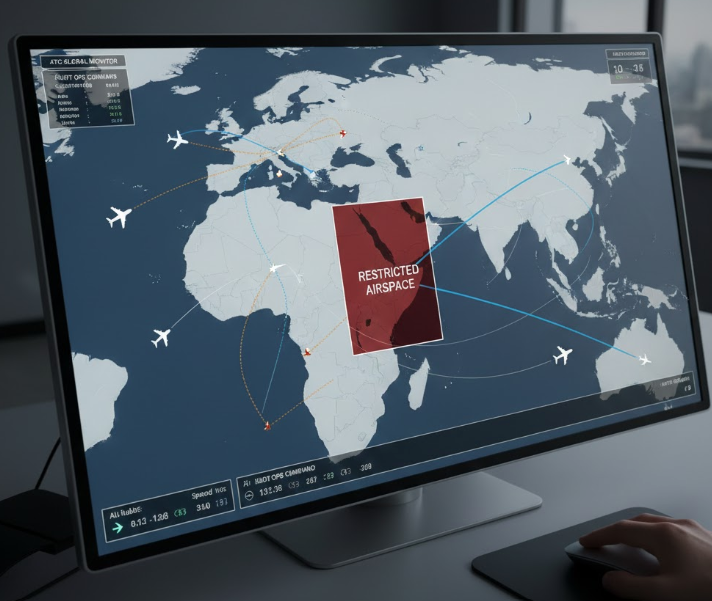
In reality, cancellations are the strongest evidence that the system works.
Modern aviation prioritizes overreaction. Routes are suspended at the first sign of uncertainty, not after something goes wrong.
This approach is exactly why commercial aviation remains statistically safer than most forms of transport.
If flights are operating, it is because multiple independent systems agree it is safe to do so.
What Middle East Flight Safety Really Looks Like Right Now
Stripped of emotion, the situation is simple:
- The Middle East is not uniformly dangerous
- Major aviation hubs remain safe and operational
- Airlines reroute proactively
- Planning mistakes cause more disruption than security threats
Fear spreads faster than facts. Aviation responds faster than fear.
Who Should Actually Fly Right Now (And Who Should Pause)
Middle East flight safety is not a yes-or-no question. It depends on who you are, why you are flying, and how flexible your plans are.
This section draws clear lines instead of vague reassurance.
You should fly if:
- You are flying with a major international airline
- Your destination is a stable hub or tourist city
- Your trip is business-critical or time-sensitive
- You are comfortable with reroutes or schedule changes
You should consider waiting if:
- Your travel dates are purely discretionary
- You are flying on ultra-low-cost or poorly rated carriers
- You are uncomfortable with uncertainty, even if risk is low
This is not about fear. It is about tolerance for disruption.
Which Airlines Are Safest to Fly Right Now?
Airlines matter more than destinations.
Major full-service carriers operating in the Middle East have the strongest safety oversight, insurance backing, and rerouting flexibility.
Consistently reliable options include:
- Emirates
- Qatar Airways
- Etihad Airways
- Saudia
- Turkish Airlines
These airlines:
- Proactively avoid high-risk airspace
- Operate with multiple alternate routes
- Cancel flights early rather than gamble
If you want independent confirmation, consult global safety data from:
Middle East flight safety improves dramatically when you choose the right airline.
How Airlines Handle Escalation After You Book
This is the scenario people worry about most.
What happens if tensions escalate after you have already booked your ticket?
Here is what actually happens in practice:
- Airlines reroute flights automatically
- Schedules may shift, but safety margins increase
- Non-essential routes may be paused temporarily
- Passengers are rebooked or refunded under force majeure
Airlines are contractually and legally obligated to prioritize safety over schedules.
For real-time airspace closures and notices, these are authoritative sources:
If those bodies flag an issue, airlines respond within hours, not days.
Insurance: The One Thing You Should Not Skip
Middle East flight safety is high, but insurance protects you from disruption, not danger.
Good travel insurance should cover:
- Flight cancellations due to security advisories
- Forced rerouting or extended layovers
- Accommodation delays caused by schedule changes
Many travelers make the mistake of assuming “war exclusions” invalidate coverage entirely. That is rarely true.
Most policies exclude active war zones, not stable transit hubs or commercial airports.
Always read the specific exclusions instead of relying on summaries.
Transit Flights Through the Middle East: Are They Safe?
Yes. And statistically safer than many alternatives.
Major Middle Eastern hubs are designed for high-volume, nonstop transit. Security, surveillance, and access control are layered and redundant.
You remain airside at all times, with:
- Restricted access zones
- Continuous monitoring
- Immediate response capability
If transit risk rose meaningfully, airlines would suspend hub operations immediately. That has not happened.
This is why Middle Eastern hubs continue to dominate global east–west travel.
What Governments Say vs What Airlines Do
Government travel advisories are political documents. Airline decisions are financial and legal ones.
If an airline flies, it is because:
- Insurers approve the route
- Aviation authorities approve the airspace
- Risk thresholds are within acceptable limits
For official advisory context (not headlines), refer to:
Then compare that with airline behavior. Airline behavior tells you the truth.
What to Do If You Are Still Unsure
If Middle East flight safety still feels abstract, use this checklist:
- Check if your airline has changed routes recently
- Confirm travel insurance coverage for disruptions
- Verify visa and transit rules
- Choose hubs with multiple daily connections
These internal guides help eliminate planning risk:
- Best Places to Travel in February (Low-Risk Picks)
- Visa-Free vs Visa on Arrival vs eVisa
- Visa Requirements Checker
Good planning neutralizes most anxiety.
The Real Bottom Line on Middle East Flight Safety
Here is the unfiltered reality:
- Commercial aviation does not gamble with safety
- The Middle East is not uniformly dangerous
- Major hubs remain among the safest in the world
- Airlines react faster than media cycles
If flights are operating, it is because multiple independent systems agree they are safe.
Fear is loud. Aviation is methodical.
That is the difference.
Final Clarification on Middle East Flight Safety
To summarize without emotion or exaggeration, Middle East flight safety today is driven by aviation data, not news cycles. Middle East flight safety remains high on major commercial routes because airlines continuously monitor airspace, reroute flights preemptively, and suspend operations long before passengers face real risk. Travelers often confuse regional conflict with aviation danger, but Middle East flight safety assessments are route-specific, airline-specific, and airport-specific.
If airlines continue to operate normally, it means Middle East flight safety thresholds are being met across multiple independent systems including insurers, aviation regulators, and air traffic authorities. For most travelers flying through major hubs or stable destinations, Middle East flight safety right now is comparable to other global transit regions when proper planning, insurance, and visa checks are in place.
Is Middle East flight safety a real concern right now?
For most travelers, Middle East flight safety is not a major concern right now. Commercial airlines operate only on routes approved by aviation authorities and insurers. If flights are operating normally, it indicates that Middle East flight safety thresholds are being met.
Is it safe to fly over the Middle East?
Yes, flying over the Middle East is considered safe when airlines use approved airspace corridors. Airlines continuously monitor risk and reroute flights proactively, which is why Middle East flight safety remains high even during periods of regional tension.
Are Middle East airports safe for transit passengers?
Major Middle Eastern airports are among the safest transit hubs globally. Passengers remain in secure international zones, and Middle East flight safety protocols at these airports are designed for high-volume global transit.
Can flights be canceled if the situation worsens?
Yes. Airlines cancel or reroute flights immediately if risk levels change. Flight cancellations are a safety measure, not a failure, and are part of how Middle East flight safety is actively managed.
Which Middle Eastern countries are safest to fly to?
Countries such as the United Arab Emirates, Qatar, Saudi Arabia, and Oman maintain strong aviation oversight and airport security. These destinations consistently rank high for Middle East flight safety.
Is travel insurance necessary for Middle East flights?
Travel insurance is strongly recommended. While Middle East flight safety is high, insurance protects against delays, rerouting, or cancellations caused by operational or security-related changes.
Do government travel advisories mean flights are unsafe?
No. Travel advisories are general guidance and do not automatically mean flights are unsafe. Airline operations provide a more accurate reflection of real-time Middle East flight safety.
Continue planning
Your most useful next steps
Move from reading to one clear travel decision.
Pingback: Dubai Alternatives in 2026: Where Travelers Are Going Instead - FlyFono