
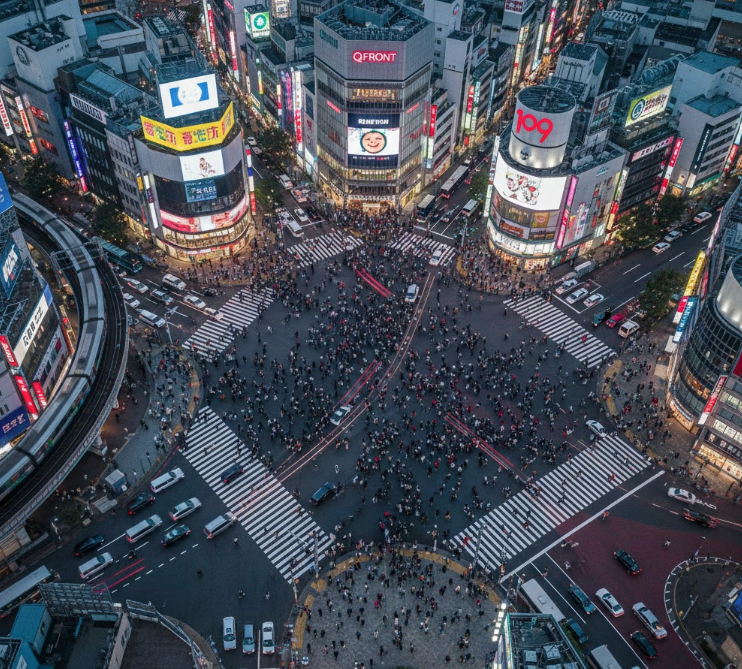
This 14 day Japan itinerary follows a logical east-to-west route that avoids unnecessary backtracking. It saves you time, reduces transport costs, and ensures you spend more hours exploring and fewer hours sitting on trains.
1. Introduction
If you are planning a 14 day Japan itinerary, ignore the overly romanticized itineraries online. They waste time, jump across cities unnecessarily, and recommend unrealistic daily schedules. This guide is built for the real traveler — someone who wants accurate timings, honest prices, and a route that does not require running like you are in a race.
This is the most practical, zero-backtracking 14-day plan you can follow.
If you are comparing different trip lengths, a 14 day Japan itinerary gives you the best balance between city experiences, cultural depth, and travel efficiency. Shorter trips often feel rushed, while longer ones may demand a higher budget. This 14 day Japan itinerary is designed to reduce backtracking, avoid tourist traps, and make sure you spend more time exploring and less time sitting on trains.
A well-planned 14 day Japan itinerary solves the biggest problem most travelers face: rushing through too many cities in too little time. With two full weeks, you can experience Japan’s cultural highlights, food scene, and natural landscapes at a pace that feels realistic and enjoyable.
2. Should You Really Spend 14 Days in Japan?
Short answer: Yes, if you do not want to rush.
Japan has four completely different travel personalities:
- Ultra-modern cities
- Traditional temples & shrines
- Countryside and mountains
- Food culture that demands time
A 10-day trip is tight. A 14-day itinerary gives room to breathe.
3. The Smart 14 Day Japan Itinerary (Zero Backtracking)
Tokyo → Nikko → Hakone → Kyoto → Nara → Osaka → Hiroshima → Miyajima → Osaka
This structure keeps you moving logically across Japan without wasting hours returning to previous cities.
Many travelers overthink their route, but a well-planned 14 day Japan itinerary removes the guesswork. With two weeks, you can cover Tokyo, Kyoto, Osaka, Hiroshima, and Miyajima without burning out. This structured 14 day Japan itinerary builds in realistic travel times and avoids the mistakes most first-timers make when planning Japan.
4. Day-by-Day 14 Day Japan Itinerary (With Honest Notes & Prices)
If it is your first trip, a 14 day Japan itinerary is the most balanced way to see Tokyo, Kyoto, Osaka, Hiroshima, and Miyajima without rushing. Shorter itineraries force compromises, but this two-week structure keeps things realistic.
Day 1: Arrive in Tokyo
Where to stay: Shinjuku, Shibuya, Tokyo Station
Airport to hotel:
- Narita → Tokyo: ¥3,000–¥3,500
- Haneda → Tokyo: ¥900–¥1,300
What to do:
Nothing heavy. Land, check in, walk around your neighborhood. Japan arrivals are tiring, especially after red-eye or multi-leg flights.
Pro Tip: Do not plan a museum or long attraction on Day 1. Your brain will not appreciate it.
Tokyo is rated one of the best places to travel in December.
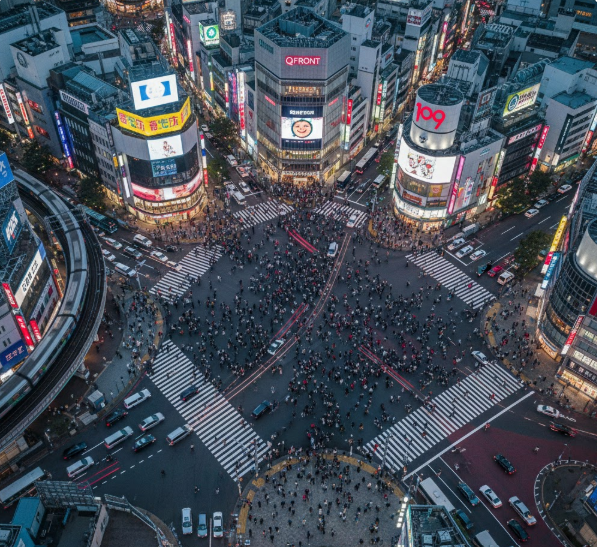
Day 2: Tokyo (Shibuya, Harajuku, Shinjuku)
Key stops:
- Shibuya Crossing
- Shibuya Sky (¥2,200–¥2,800 — book advance)
- Meiji Shrine
- Takeshita Street
- Shinjuku Gyoen (¥500)
- Tokyo Metropolitan Government Building (Free view)
Daily cost estimate: ¥6,000–¥10,000
Meals, transport, a viewpoint, coffee stops.
Pro Tip: Shibuya Sky sells out quickly.
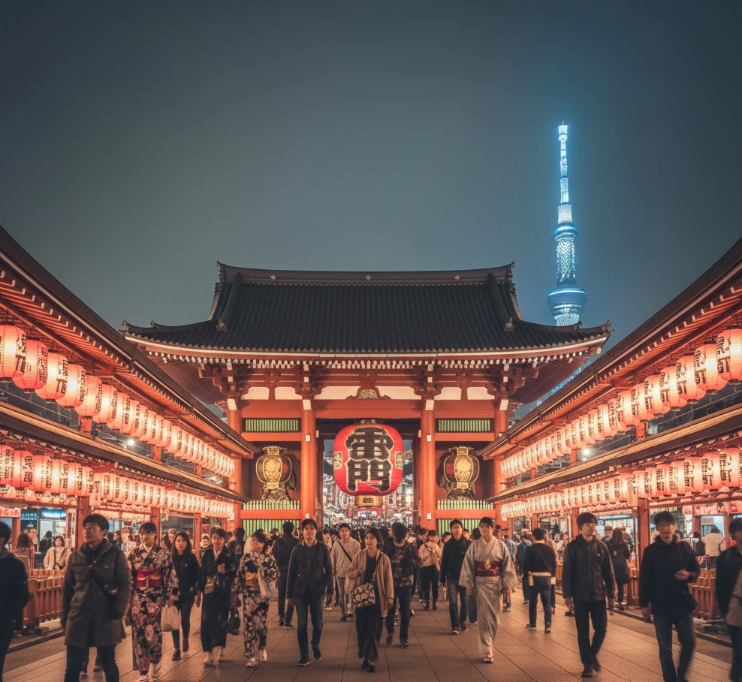
Day 3: Tokyo (Asakusa, Ueno, Akihabara)
Highlights:
- Senso-ji Temple (Free)
- Nakamise Street
- Sumida River cruise (¥1,000–¥1,500)
- Ueno Park
- Akihabara Electric Town
Pro Tip: Avoid buying electronics in random shops in Akihabara. Warranty issues are common.
If you have kids, dont forget to replace above with Disneyland
Day 4: Day Trip to Nikko
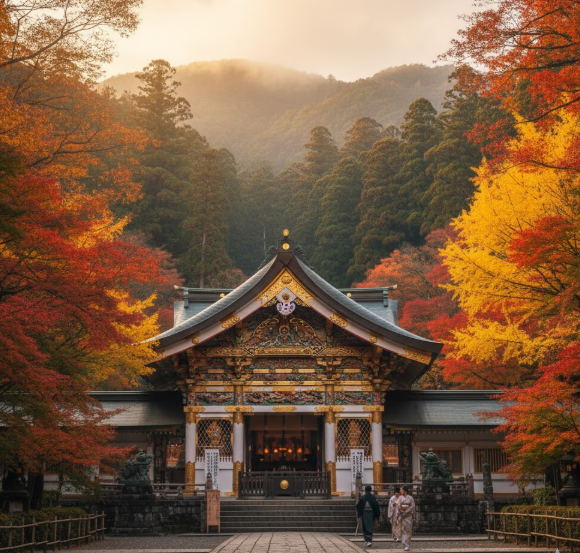
Tokyo → Nikko (2 hours)
- Train cost: ¥2,700–¥3,000 one-way
- Toshogu Shrine (¥1,300)
- Shinkyo Bridge (¥300)
- Optional: Kegon Falls elevator (¥570)
Is Nikko worth it?
Yes — but only if you start before 8 AM. Otherwise it becomes a long, slow day with overcrowded buses.
Pro Tip: If weather looks bad, replace Nikko with Kamakura or Yokohama.
Day 5: Hakone (Mt Fuji Views + Onsen Night)
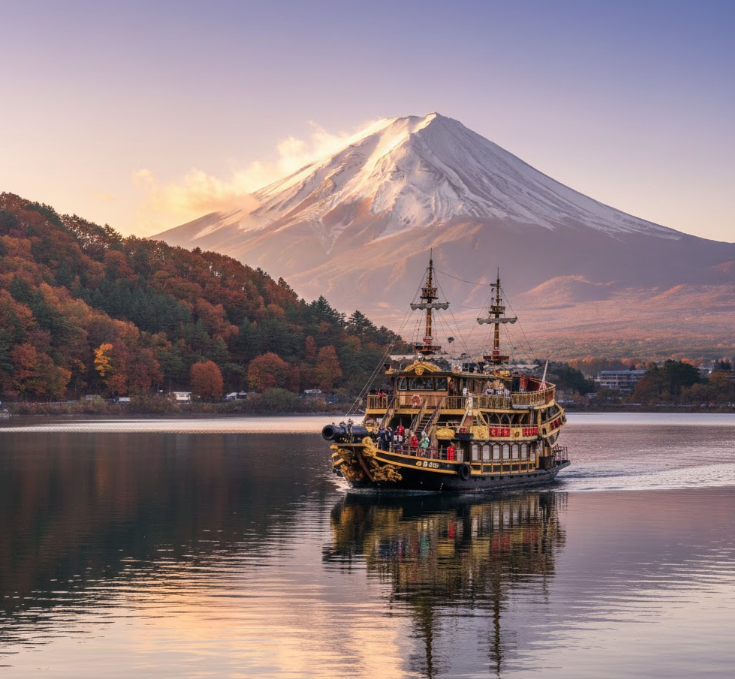
Tokyo → Hakone: ¥2,000–¥2,500
Hakone Free Pass: ¥6,000 (covers transports in the region)
Must do:
- Lake Ashi
- Hakone Ropeway
- Owakudani volcanic valley
- Onsen ryokan stay (¥18,000–¥35,000 per person with dinner)
Pro Tip: Fuji is unpredictable. Some days you see nothing. Do not build your entire Japan trip around a Fuji photo.
Many travelers underestimate how spread out Japan’s major attractions are, which is why a structured 14 day Japan itinerary is far more practical than trying to fit everything into a week. This pacing gives you time to enjoy early mornings, scenic train rides, and cultural experiences without burnout.
Day 6: Kyoto (Gion, Kiyomizu-dera)
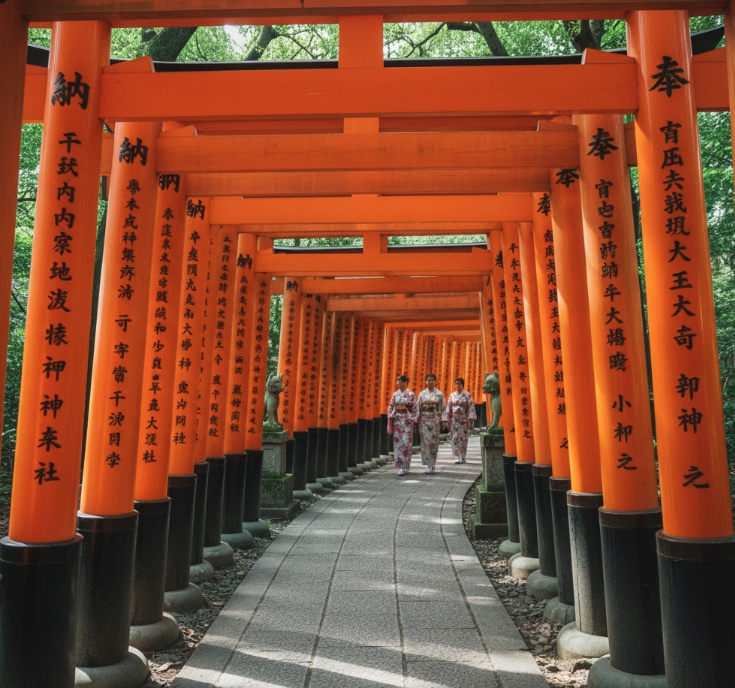
Hakone → Kyoto (via Odawara): ¥12,000–¥14,000 on Shinkansen
Kiyomizu-dera: ¥400
Yasaka Shrine: Free
Gion evening walk: Free
Pro Tip: Stay near Gion or Kawaramachi for the best balance of food, nightlife, and access.
Day 7: Kyoto (Arashiyama + Golden Pavilion)
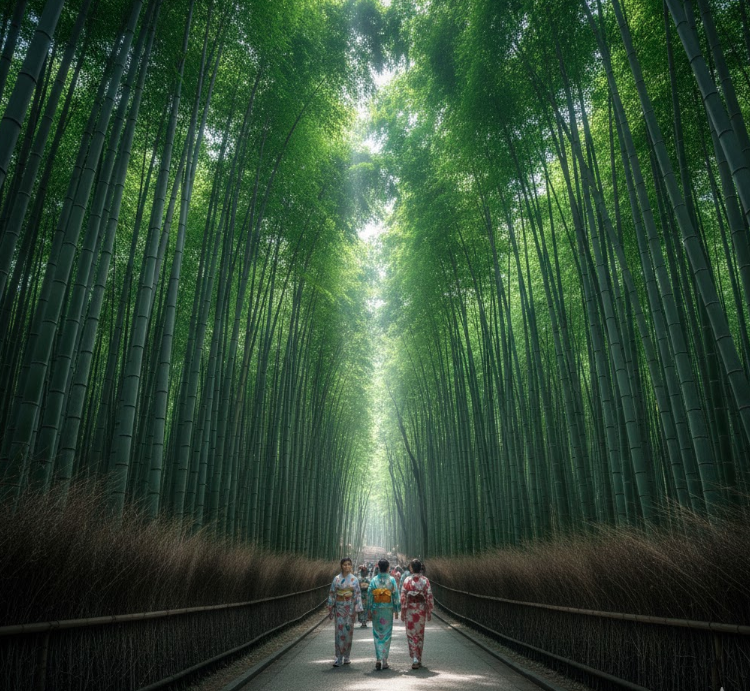
Arashiyama Bamboo Grove: Free
Monkey Park: ¥600
Kinkaku-ji (Golden Pavilion): ¥500
Pro Tip:
Be at Bamboo Grove by 7 AM. After 9 AM the atmosphere is lost and photos become useless.
Daily cost: ¥5,000–¥10,000 depending on meals.
Day 8: Nara Day Trip
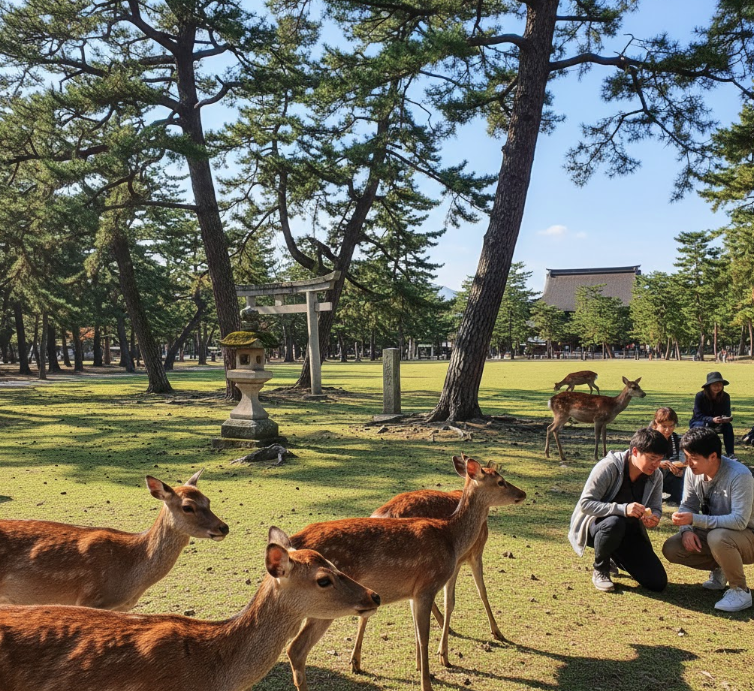
Kyoto → Nara: ¥720–¥1,200
Todaiji Temple: ¥600–¥1,000
Nara Park: Free
Pro Tip:
Do NOT buy the deer crackers unless you want 20 deer chasing you aggressively.
Return to Kyoto by evening.
Day 9: Osaka Arrival + Dotonbori Night
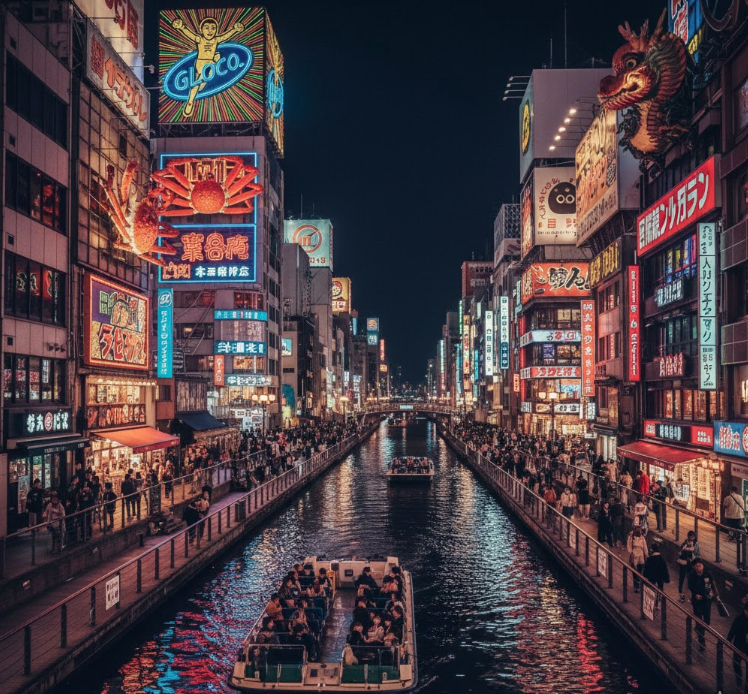
Kyoto → Osaka: ¥410–¥1,000
Hotel areas: Namba (food), Umeda (transport)
Walk around Dotonbori and try:
- Takoyaki (¥600)
- Kushikatsu (¥100–¥200 per stick)
- Ramen (¥900–¥1,200)
Pro Tip: Osaka hotels are cheaper than Kyoto. This is the best place to save money.
Day 10: Osaka OR Universal Studios Japan
Option A: Universal Studios Japan (USJ)
- Entry: ¥8,600–¥9,800
- Express Pass: ¥12,000–¥25,000 (worth it if you hate queues)
Option B: City sightseeing
- Osaka Castle (¥600)
- Kuromon Market
- Shinsekai district
Pro Tip: USJ is extremely crowded. Without Express Pass, expect 2-hour queues for popular rides.
Day 11: Hiroshima
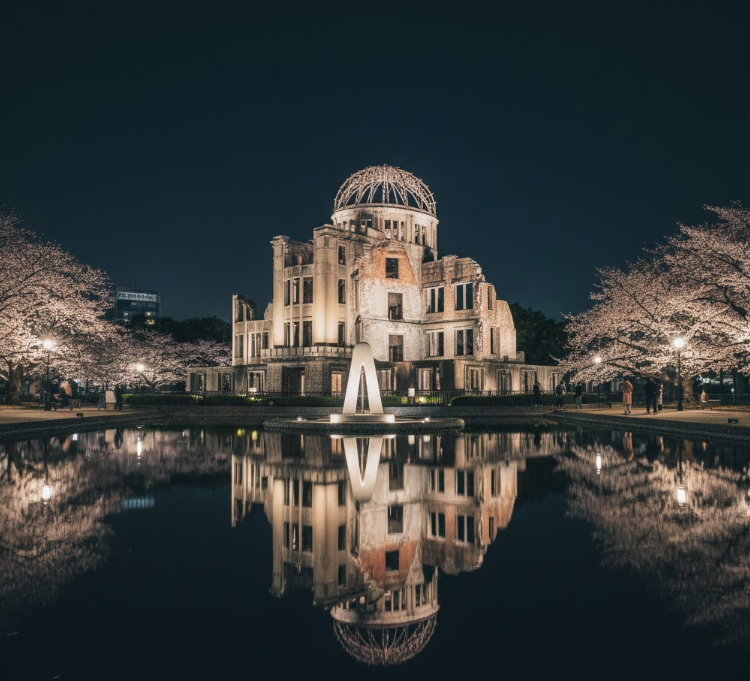
Osaka → Hiroshima: ¥10,000–¥11,500 by Shinkansen
Peace Memorial Museum: ¥200
Atomic Bomb Dome: Free
Pro Tip:
Do this day at a slower pace. The museum is emotionally heavy; you will not feel like doing entertainment afterward.
Day 12: Miyajima Island
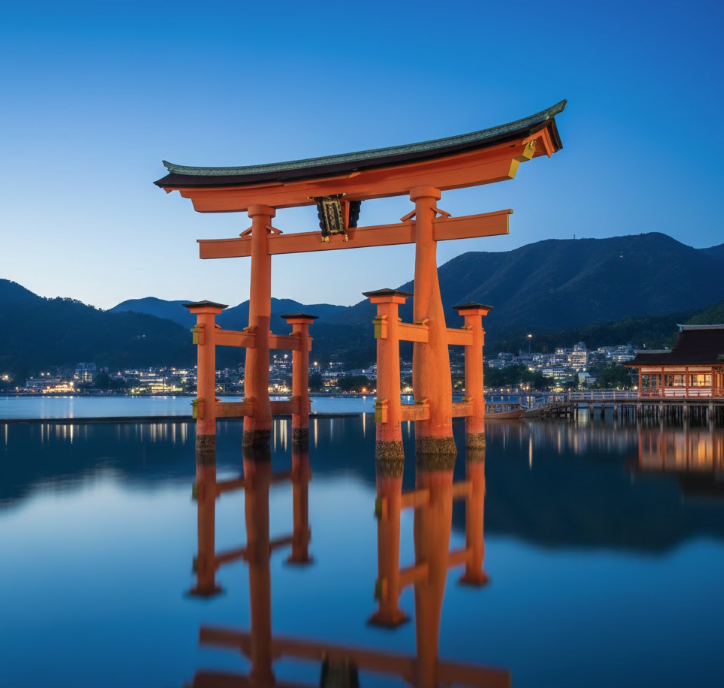
Ferry: ¥360 one-way
Itsukushima Shrine: ¥300–¥500
Mount Misen Ropeway: ¥2,000
Return to Osaka or stay overnight on Miyajima.
Pro Tip: Staying on the island gives you an empty early morning shrine — completely different experience.
Day 13: Osaka or Kobe
Option A: Kobe (easy day trip)
- Kobe beef lunch: ¥6,000–¥12,000
- Harborland
- Mount Rokko cable car: ¥600–¥1,000
Option B: Osaka free day
- Aquarium Kaiyukan: ¥2,700
- TeamLab Botanical Garden: ¥4,000–¥4,800
Day 14: Departure from Kansai Airport (KIX)
Nankai Airport Express: ¥1,150
JR Haruka Express: ¥2,000–¥2,500
Leave plenty of time — KIX is busy during peak seasons.
5. JR Pass: Is It Worth It? (Honest Answer)
For this exact 14 day Japan itinerary, the 14-day JR Pass is usually NOT worth it.
Total individual Shinkansen costs:
Tokyo → Odawara → Kyoto → Osaka → Hiroshima → Osaka
≈ ¥38,000–¥42,000
14-Day JR Pass price: ¥80,000+
Your itinerary does not justify it.
A 7-day pass might work if you reorganize the trip, but based on this structure, buy individual tickets.
The JR Pass decision becomes easier when you follow a consistent 14 day Japan itinerary because the long-distance rides are predictable. This helps you calculate whether a pass or individual tickets will save you more money.
6. Realistic Budget for 14 Days in Japan
Budget traveler: ¥120,000–¥160,000
Hostels, simple meals.
Mid-range traveler: ¥200,000–¥280,000
Decent hotels, a ryokan night, Shinkansen tickets.
Comfort traveler: ¥350,000–¥450,000
Good hotels, multiple experiences, specialty restaurants.
7. Best Time to Follow This 14 Day Japan Itinerary
Best:
- Late March–April: Cherry blossoms
- October–November: Autumn leaves
Avoid:
- Golden Week
- New Year travel week
- Mid-August Obon travel rush
- No matter your travel style—budget, mid-range, or premium—a 14 day Japan itinerary gives you the flexibility to adjust hotels, food experiences, and day trips while still keeping the overall structure intact.
8. Final Honest Thoughts
A 14 day Japan itinerary is ideal if you want a mix of cities, nature, culture, and food without turning your holiday into a sprint. This route avoids unrealistic expectations and does not force you into the travel traps that look good on Instagram but make no sense in real life.
If you want to add Takayama, Kanazawa, or Hokkaido — you need more days or you will compromise the entire trip.
What makes a 14 day Japan itinerary practical is the ability to explore major cities and still have room for nature, temples, food markets, and day trips. Unlike shorter plans, this 14 day Japan itinerary allows you to slow down, save money on transport, and experience Japan the way it is meant to be experienced — without rushing through every destination.
This 14 day Japan itinerary gives travelers a clear, honest route through Tokyo, Hakone, Kyoto, Osaka, Hiroshima, and Miyajima without unnecessary backtracking or tourist traps. If you want a practical japan travel itinerary 14 days, this guide prioritizes efficiency, real costs, and time-saving tips so you can plan your Japan trip with confidence.
If you want a route that works for every season, this 14 day Japan itinerary delivers the most balanced and realistic experience. Whether you are traveling in cherry blossom season or autumn, the structure of this 14 day Japan itinerary ensures that your time, budget, and travel energy are used efficiently.
Pingback: 9 Essential Things You Must Know Before Visiting9 Things You Must Know Before Visiting Shirakawago: The Only Travel Guide You Need - FlyFono
Pingback: 15 Best Day Trips from Osaka and Kyoto: Perfect One-Day Itineraries You Can Actually Do - FlyFono
Pingback: Japan Airlines Free Flights: What Is Real, What Is Fake, and How to Actually Book (2025 Guide) - FlyFono