
What to Do in Bangkok During Transit: The Smart, Stress-Free 8-12 Hour Guide
Table of Contents
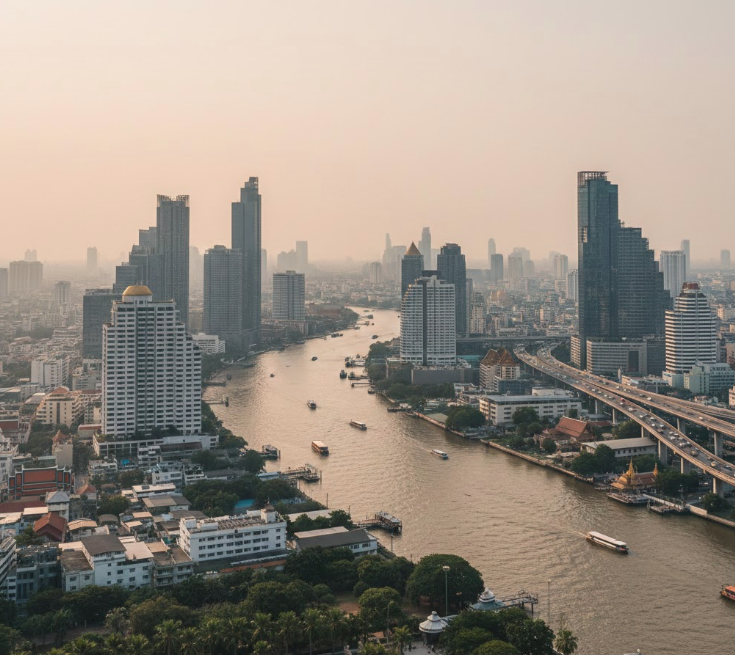
What to do in Bangkok during transit is a question millions of travelers quietly Google every year while staring at a long layover on their boarding pass. Bangkok is one of the few cities in the world where an airport transit does not have to mean boredom, overpriced food, or uncomfortable chairs. With the right mindset and realistic planning, even an 8-hour transit can turn into a genuinely memorable experience.
That said, Bangkok is also a city that punishes poor decisions. Traffic is unpredictable, distances are deceptive, and rushing around blindly is the fastest way to miss your next flight. This guide is designed to help you enjoy Bangkok during transit without gambling your onward journey.
This is not a sightseeing checklist. This is a survival-tested, realistic guide written for travelers who want to step out of the airport, experience something authentic, and return calmly and confidently.
Is It Actually Worth Leaving the Airport During a Bangkok Transit?
Before deciding what to do in Bangkok during transit, you must first decide whether leaving the airport makes sense at all. Not every layover should be treated as an opportunity.
Leaving the airport is worth it only if all the following conditions are met:
- Your layover is at least 6 to 8 hours
- You are eligible for visa-free entry or already hold a valid visa
- Your transit does not fall entirely within peak rush hours
- You are willing to limit yourself to one area only
If your layover is under 6 hours, staying inside the airport is the smarter decision. Immigration queues, transport delays, and security checks can easily consume more time than expected.
If you are unsure about visa rules before stepping out, check this first: Visa Requirements Checker
Understanding Bangkok Airports and Transit Logistics
Suvarnabhumi Airport (BKK)
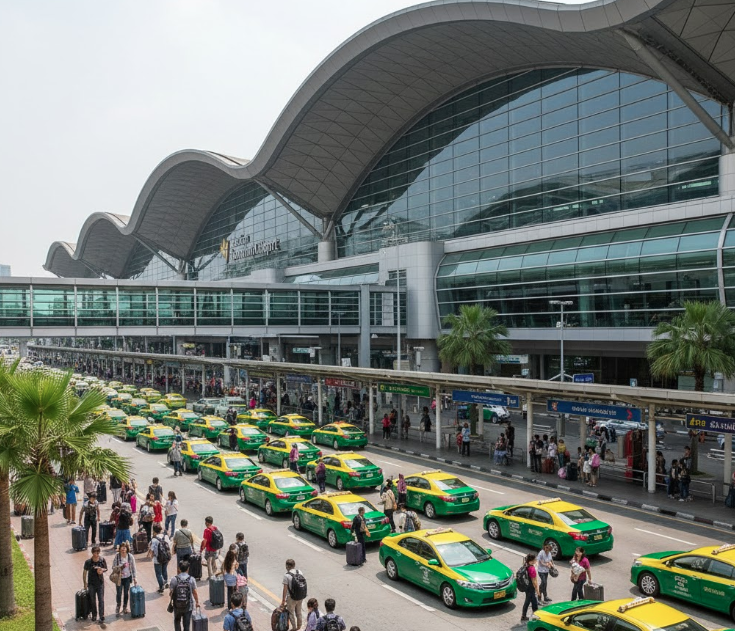
Suvarnabhumi Airport is Bangkok’s main international hub and the most transit-friendly airport for city access.
- Direct Airport Rail Link to central Bangkok
- Generally faster immigration processing
- Multiple return transport options late into the night
If you land at BKK, you have more flexibility and can comfortably plan a 3–4 hour city visit.
Don Mueang Airport (DMK)
Don Mueang Airport primarily serves low-cost airlines and is less forgiving for transit exploration.
- No direct airport train
- Heavy reliance on taxis
- Higher traffic unpredictability
If you land at DMK, scale your expectations down. Choose nearby areas or stay closer to the airport.
The Golden Rule of Bangkok Transit: One Area Only
This is the most important principle when deciding what to do in Bangkok during transit.
Choose one area. Stay there. Leave early.
Bangkok is not compact. A 5-kilometer journey can take 15 minutes or 90 minutes depending on timing. Attempting to visit multiple districts during a short transit is a mistake that experienced travelers learn only once.
The moment you start thinking, “We can quickly squeeze this in,” you are already losing control of your schedule.
Option 1: Temples and the Chao Phraya River (Best for First-Time Visitors)
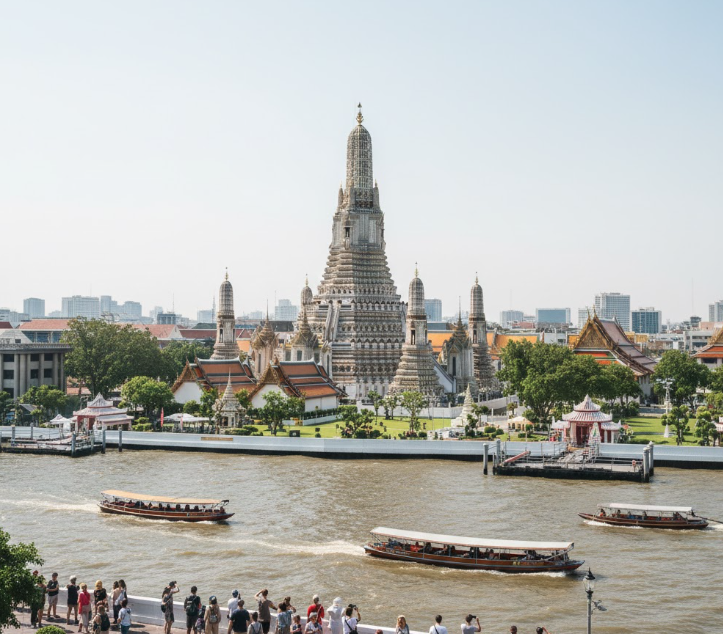
For travelers asking what to do in Bangkok during transit for the first time, temples and river views offer the most balanced experience.
Why This Option Works
- Iconic Bangkok landmarks
- Compact walking area
- Clear tourist infrastructure
- High cultural value with minimal effort
Suggested Route
- Wat Pho (Reclining Buddha)
- Short river ferry crossing
- Wat Arun
- Riverside walk or café stop
This route can be completed in 3 to 4 hours without rushing.
Option 2: Chinatown Street Food (Best for Evening or Night Transit)
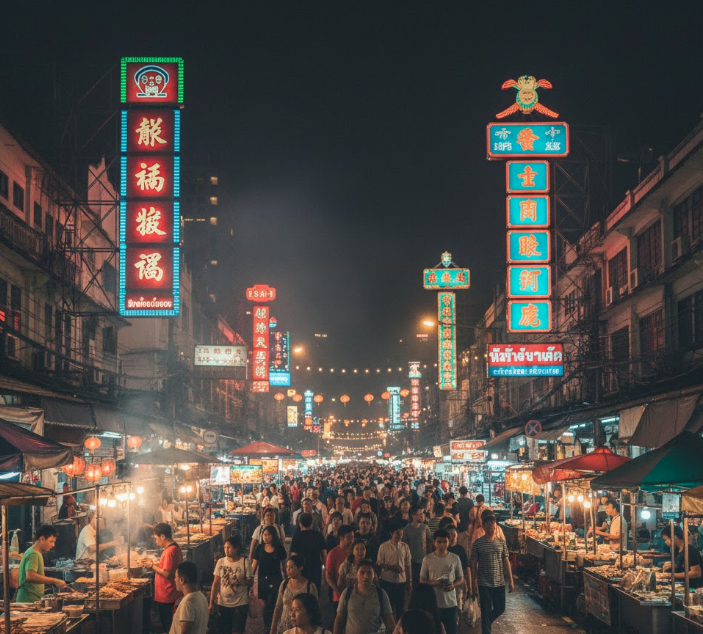
If your transit happens later in the day, Chinatown is one of the strongest answers to what to do in Bangkok during transit.
Bangkok’s Chinatown (Yaowarat) is not about monuments. It is about movement, noise, food, and atmosphere.
Why Chinatown Is Ideal for Transit Travelers
- No advance planning required
- Food options at every price level
- Easy to leave whenever you want
- Memorable even during short visits
Walk slowly. Eat selectively. Sit when tired. Leave when satisfied.
You do not need a list of “must-eat” places. Follow crowds and trust your instincts.
Option 3: Shopping Malls and Massage (Safest, Lowest Risk Choice)

If you are tired, jet-lagged, or dealing with extreme heat or rain, malls are not a downgrade. They are a strategic decision.
Best Areas for Transit-Friendly Malls
- Siam area (Siam Paragon, Siam Center)
- Asok area (Terminal 21)
These areas are well-connected, comfortable, and easy to exit.
Why This Option Works
- Clean facilities
- Reliable food courts
- Professional massage shops
- Direct transport routes back to the airport
For many travelers, this is the least stressful way to enjoy Bangkok during transit.
Internet, SIM Cards, and Payments During Transit
Reliable internet is essential when navigating Bangkok. Do not depend on airport Wi-Fi.
For short stays, eSIMs are efficient and affordable
Cash is still important. Many taxis and street vendors do not accept cards.
Common Mistakes That Ruin Bangkok Transits
- Underestimating traffic conditions
- Trying to visit too many places
- Returning to the airport too late
- Trusting travel time estimates blindly
Plan to be back at the airport at least 2.5 to 3 hours before departure.
Sample 8-Hour Bangkok Transit Timeline
- Hour 0–1.5: Immigration and transport
- Hour 1.5–5: One chosen activity zone
- Hour 5–6.5: Return to airport
- Hour 6.5–8: Security and buffer time
This buffer is not optional. It is the difference between a relaxed flight and a missed one.
Is It Better to Stay at the Airport Instead?
Sometimes, yes.
If your transit is overnight, energy levels are low, or your body needs rest, staying at the airport with a meal, shower, and short nap can be more valuable than forced sightseeing.
Bangkok will still be here. Missing your flight will stay with you much longer.
Frequently Asked Questions About Bangkok Transit
Can I leave the airport during an 8-hour transit in Bangkok?
Yes, you can leave the airport during an 8-hour transit in Bangkok if you are eligible for visa-free entry and plan to return at least 2.5 to 3 hours before departure. Staying within one area is strongly recommended.
What is the safest thing to do in Bangkok during a short layover?
The safest options during a short layover are visiting temples near the river, exploring Chinatown for food, or spending time in a well-connected shopping mall such as Siam Paragon or Terminal 21.
Is Bangkok traffic risky for transit travelers?
Yes, Bangkok traffic can be unpredictable. This is why travelers should avoid visiting multiple areas and always leave the city early when returning to the airport.
Which airport is better for sightseeing during transit in Bangkok?
Suvarnabhumi Airport is better for transit sightseeing because it has a direct train connection to the city and more reliable transport options.
Do I need internet access during a Bangkok transit?
Yes, having mobile internet is important for navigation and transport bookings. Using an eSIM is the easiest solution for short transits.
Final Thoughts: What to Do in Bangkok During Transit
What to do in Bangkok during transit is not about doing more. It is about doing less, intelligently.
Choose one area. Experience it properly. Leave early. Ignore unrealistic advice.
If you follow that approach, even a short Bangkok transit can feel rewarding rather than stressful.
For more Thailand travel guides and practical planning tips, explore: Thailand Travel Guides
For travelers still wondering what to do in Bangkok during transit, the answer depends less on time and more on discipline. Knowing what to do in Bangkok during transit means understanding the city’s scale, traffic patterns, and realistic limits. Instead of chasing landmarks, the smartest approach to what to do in Bangkok during transit is choosing one focused experience—whether it is temples, street food, or a comfortable mall—and executing it calmly.
Travelers who plan what to do in Bangkok during transit with restraint enjoy the city far more than those who rush. Ultimately, what to do in Bangkok during transit is about making one good decision, not many rushed ones.
Many travelers overcomplicate what to do in Bangkok during transit by treating a short layover like a full vacation, which almost always leads to stress. The reality is that understanding what to do in Bangkok during transit requires accepting limitations and planning within them.
When travelers focus clearly on what to do in Bangkok during transit, they prioritize proximity, simplicity, and return timing over ambition. The most successful transit experiences come from travelers who decide what to do in Bangkok during transit before landing and resist last-minute changes. In short, mastering what to do in Bangkok during transit is about control, not coverage.
You can also check time out for what is happening in the city right now