
Travel insurance that actually works is not the cheapest policy. It is the policy that pays when something goes wrong.
Most travelers buy insurance based on price. Then they discover the exclusions after their claim is denied.
This guide explains travel insurance that actually works — what to buy, what to avoid, and what fine print destroys claims.
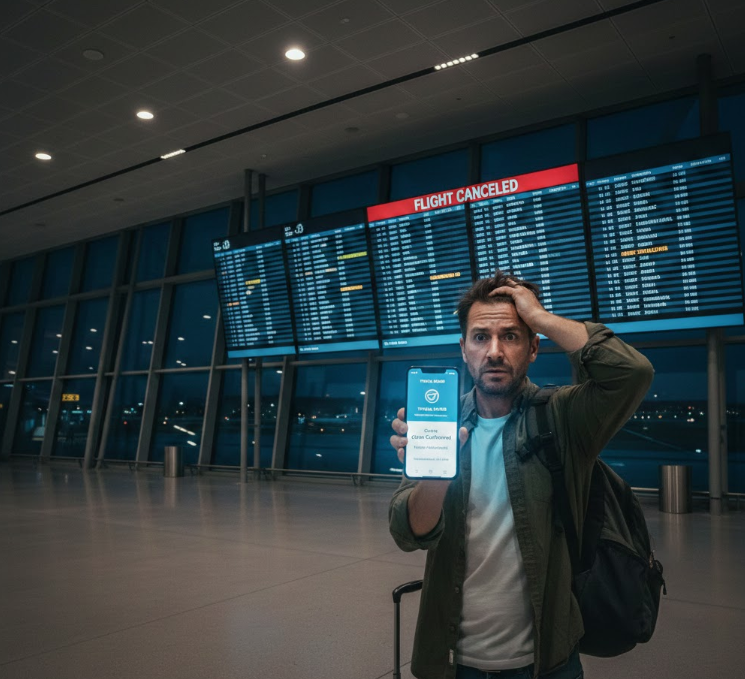
Table of Contents
Why Most Travel Insurance Fails
The insurance industry relies on one assumption: most people never read policy wording.
Claims are denied because of:
- Pre-existing condition clauses
- Late policy purchase
- Weather classified as “known event”
- Separate ticket bookings
If you recently dealt with a cancellation, read:
What to Do When Your Flight Is Canceled
And if you are stuck during a delay:
Insurance only works if you understand how passenger rights and insurance overlap.
Rule 1: Buy Insurance Immediately After Booking
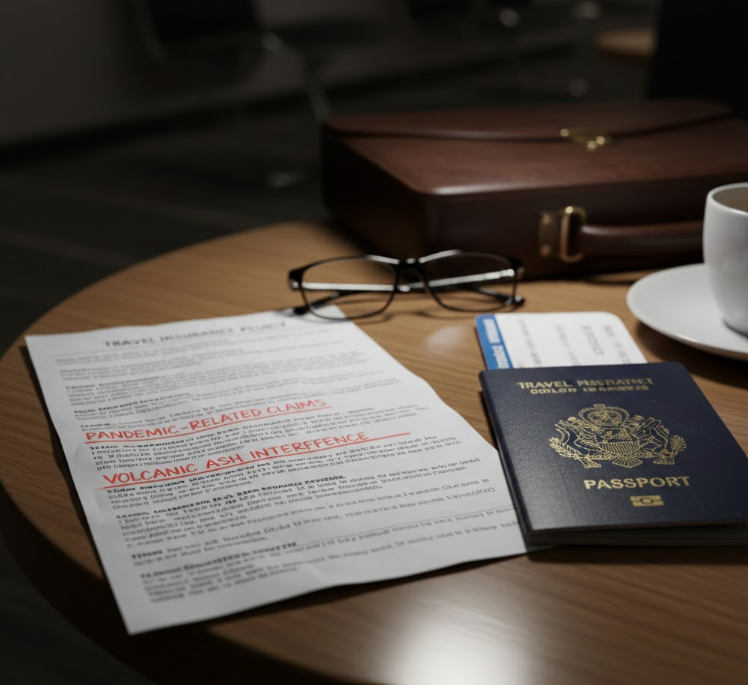
Travel insurance that actually works must be purchased early.
Why?
- Pre-existing condition waivers often require early purchase.
- Weather events become “foreseeable” after announcement.
- Strike actions become excluded once public.
If a hurricane is already named, buying insurance afterward will not cover cancellation.
Rule 2: Understand Trip Cancellation vs Trip Interruption
These are different protections.
Trip Cancellation
- Protects before departure.
- Covers illness, certain emergencies.
- Reimburses prepaid non-refundable costs.
Trip Interruption
- Protects after departure.
- Covers cutting trip short.
- Pays for return flight home.
Travel insurance that actually works must include both.
Rule 3: Trip Delay Coverage Is Not Automatic
Trip delay insurance activates only after a minimum delay threshold.
- Typically 6–12 hours.
- Requires documented airline confirmation.
- Covers meals and accommodation up to limits.
Without documentation, claims fail.
Rule 4: Missed Connection Coverage Has Conditions
If your inbound flight is delayed and you miss a cruise departure, insurance may cover rebooking — but only if the delay cause qualifies.
Weather-related missed connections often qualify.
Self-inflicted short layovers often do not.
Rule 5: Medical Coverage Is the Real Reason Insurance Exists

Flight delays are annoying.
Medical emergencies abroad are financially catastrophic.
Travel insurance that actually works must include:
- Emergency medical treatment
- Hospitalization
- Medical evacuation
Medical evacuation alone can exceed $50,000.
Rule 6: Exclusions That Kill Claims
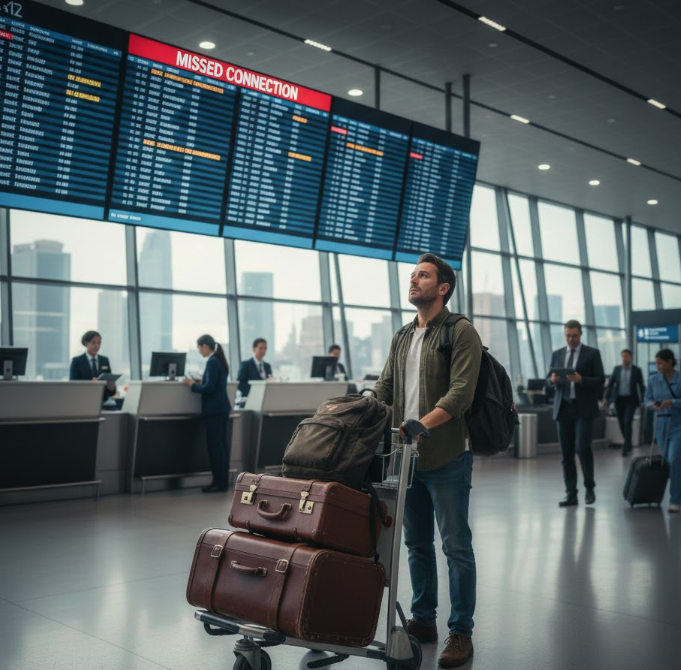
These are the most common denial triggers:
- Pre-existing medical condition
- Alcohol-related incidents
- Adventure sports not declared
- Known weather events
- Civil unrest warnings before purchase
Travel insurance that actually works requires reading exclusions first — not benefits.
Rule 7: Credit Card Protection Is Limited
Many premium credit cards offer:
- Trip delay reimbursement
- Lost luggage coverage
- Rental car protection
However:
- Medical coverage is usually minimal.
- Coverage caps are lower.
- Eligibility requires full fare paid with the card.
Do not assume your card replaces full travel insurance that actually works.
Rule 8: Separate Tickets Increase Risk
Booking separate flights can reduce price but increase exposure.
If your first airline delays and you miss the second, airlines blame each other.
Insurance may help — but only if policy wording includes self-transfer coverage.

Rule 9: Filing Correctly Determines Approval
Claims are denied mostly due to incomplete documentation.
Keep:
- Airline cancellation notice
- Boarding passes
- Receipts
- Medical reports
Travel insurance that actually works only pays when paperwork is airtight.
Recommended Insurance Option
If you want straightforward travel insurance that actually works without excessive complexity:
Ekta Traveling – Travel Insurance
Always compare coverage limits before purchasing.
Real-Life Claim Scenarios (What Actually Gets Paid)
Understanding travel insurance that actually works becomes much clearer when you look at real situations instead of marketing brochures.
Scenario 1: Airline Cancels Due to Mechanical Issue
If the airline cancels your flight for operational reasons, you may be entitled to:
- Refund or reroute under passenger rights laws
- Compensation (EU/UK jurisdiction)
- Hotel coverage if overnight
In this case, insurance may not pay for the ticket itself if the airline already refunded you. However, trip delay benefits may cover meals and accommodation if airline coverage is insufficient.
Always read our full breakdown of passenger rights here:
Passenger Rights During Flight Cancellations
Scenario 2: Weather Disruption Causes 12-Hour Delay
Weather is considered an extraordinary circumstance.
The airline may owe you rerouting but not fixed compensation. Travel insurance that actually works may cover:
- Meals beyond airline limits
- Hotel accommodation
- Ground transportation
This is where trip delay coverage becomes critical.
Scenario 3: Medical Emergency Before Departure
If you or a close family member becomes seriously ill before departure, trip cancellation coverage reimburses prepaid non-refundable expenses.
Without proper insurance, these costs are usually lost entirely.
Insurance vs Credit Card: Side-by-Side Comparison
| Coverage Type | Travel Insurance | Credit Card Protection |
|---|---|---|
| Trip Cancellation | ✔ Yes | Limited |
| Trip Delay | ✔ Yes | Limited |
| Medical Coverage | ✔ Strong | Minimal |
| Medical Evacuation | ✔ Yes | Rare |
Travel insurance that actually works always includes medical evacuation. Credit cards usually do not.
Claim Denial Case Studies
Denied Due to Late Purchase
A traveler purchased insurance after a hurricane warning was issued. The storm was classified as a known event. Claim denied.
Denied Due to Pre-Existing Condition
A traveler with an untreated chronic condition canceled due to flare-up. Policy excluded pre-existing conditions. Claim denied.
Denied Due to Separate Bookings
Traveler booked flights separately and missed the second segment. Insurance required minimum layover time and unified booking. Claim denied.
Travel insurance that actually works requires understanding exclusions before booking.
How to File a Claim Properly
- Notify insurer immediately.
- Obtain written confirmation from airline or provider.
- Submit all receipts.
- Keep copies of every communication.
Incomplete documentation is the primary reason claims fail.
When Insurance Is Absolutely Necessary
- International travel
- Cruises
- Multi-city itineraries
- High prepaid non-refundable costs
- Destinations with expensive healthcare
Travel insurance that actually works is most valuable when financial exposure is high.
Interaction Between Airline Refunds and Insurance
If an airline refunds your ticket, insurance will not reimburse the same expense again. However, insurance may cover:
- Additional accommodation
- Missed prepaid tours
- Extra transport costs
Insurance supplements airline obligations — it does not replace them.
Advanced Tip: Layer Protection
The smartest strategy combines:
- Understanding passenger rights
- Using a strong credit card
- Buying comprehensive travel insurance
For disruption survival tactics, read:
Frequently Asked Questions
Does travel insurance that actually works cover flight cancellations?
Yes, but only if the cancellation is due to a covered reason such as illness, injury, or certain emergencies. Weather-related cancellations may be covered under trip delay but not always under trip cancellation.
What is the difference between trip cancellation and trip interruption?
Trip cancellation applies before departure. Trip interruption applies after you have already started your journey. Travel insurance that actually works includes both.
Does travel insurance cover airline bankruptcy?
Some comprehensive policies include supplier default coverage. Many basic policies do not. Always check whether airline insolvency is explicitly included.
Is travel insurance worth it for domestic travel?
It depends on your exposure. If your trip includes prepaid hotels, tours, or non-refundable tickets, travel insurance that actually works can still protect your investment.
What are the most common reasons travel insurance claims get denied?
The top denial reasons include:
Pre-existing conditions
Known weather events
Alcohol-related incidents
Late policy purchase
Insufficient documentation
Does travel insurance cover missed connections?
Yes, if the missed connection was caused by a covered delay and you met the minimum connection time requirements stated in the policy.
When should I buy travel insurance?
Immediately after booking your trip. Travel insurance that actually works often requires early purchase to activate full benefits, especially pre-existing condition waivers.
Does travel insurance cover weather disruptions?
Yes, but only under specific conditions. If a storm was already publicly named before you purchased the policy, it may be excluded as a known event.
Can I rely only on my credit card for protection?
Credit cards may offer trip delay and lost luggage coverage, but medical coverage and evacuation are usually limited. Travel insurance that actually works provides broader protection.
How much medical coverage should a travel insurance policy include?
For international travel, at least $100,000 in emergency medical coverage is recommended. Medical evacuation coverage should ideally exceed $250,000.
Does travel insurance cover COVID or infectious diseases?
Coverage depends on the policy wording. Many insurers now include certain infectious diseases, but exclusions still apply in some cases.
What documents are required to file a claim?
You typically need:
Airline cancellation notice
Boarding passes
Medical reports (if applicable)
Receipts for expenses
Proof of payment
Travel insurance that actually works only pays when documentation is complete.
Does travel insurance cover lost luggage?
Yes, subject to limits. Reimbursement usually applies after the airline confirms the baggage is officially lost.
What is “Cancel For Any Reason” coverage?
Cancel For Any Reason (CFAR) is an optional upgrade that allows cancellation for non-listed reasons. It usually reimburses 50–75% of prepaid costs and must be purchased early.
Does travel insurance cover civil unrest or political instability?
Some policies include coverage if unrest occurs after policy purchase. If a travel advisory already existed before purchase, coverage may be excluded.
Can I claim both airline compensation and insurance benefits?
You cannot double-claim for the same expense. Insurance supplements airline obligations but does not duplicate reimbursement.
What is the minimum delay required to activate trip delay benefits?
Most policies require a delay of 6–12 hours before trip delay benefits begin. Always confirm the threshold in your policy wording.
How long does it take for a travel insurance claim to be approved?
Processing times vary, but most insurers require 2–6 weeks depending on documentation completeness and claim complexity.
Final Takeaway
Travel insurance that actually works is not accidental. It is selected strategically, purchased early, and used with proper documentation.
Most claim denials are preventable. The difference between a denied claim and a paid claim is rarely luck — it is preparation.