
Thailand Travel Guide for Americans: 11 Culture Shocks and Rules You Must Know (2026)
Thailand is one of the easiest Asian countries for Americans to visit. English is widely spoken in tourist zones, the food is excellent, hotels are strong value, and the country is built for tourism. That convenience creates a bad assumption: many Americans arrive thinking Thailand works like the United States, just cheaper and more tropical.
It does not.
This Thailand travel guide for Americans is not a sightseeing list. It is a “do not ruin your trip” guide. It explains the cultural gaps, behavioral mistakes, legal realities, and travel patterns that quietly create problems for Americans. If you read this before booking flights, you will have a smoother trip, fewer surprises, and better interactions.
Before planning dates, confirm entry requirements for your passport using: FlyFono Visa Requirements Checker.
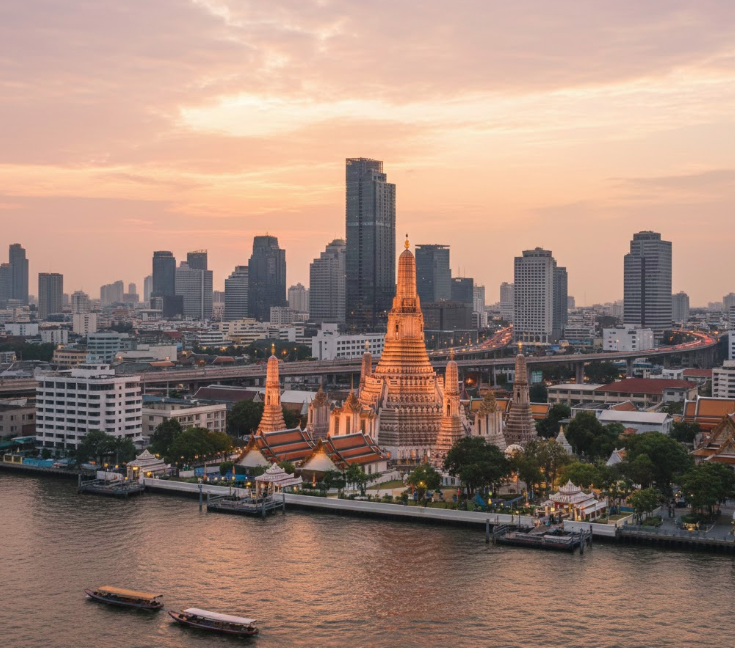
Quick Summary for Americans (Read This First)
If you only remember 10 lines from this Thailand travel guide for Americans:
- Thailand is polite, not casual. Calm behavior wins.
- Do not argue with authority. Compliance resolves problems faster.
- Alcohol is legal. Disorderly behavior is not tolerated.
- Tipping is modest and optional, not U.S.-style mandatory.
- Do not rent a scooter unless you truly know what you are doing.
- Book fewer places, stay longer in each place, and you will enjoy Thailand more.
- Use official sources for rules, not random social media posts.
Table of Contents
Culture Shock #1: Thailand Is Polite, Not Casual
Americans are trained to communicate directly. Thailand communicates indirectly. This is the single biggest difference that affects service, social interactions, and conflict resolution.
In Thailand, raising your voice, showing frustration, or publicly correcting someone is considered embarrassing. Even if you are “right,” you lose the moment you create public discomfort.
Here is what Americans often misunderstand: a smile does not always mean agreement. It can mean “I hear you,” “I acknowledge you,” or “I am trying to keep this interaction calm.” A “yes” may mean acknowledgement, not confirmation.
If you want good outcomes in Thailand, stay calm, speak respectfully, and keep requests simple. This Thailand travel guide for Americans is blunt about it: being emotionally controlled works better than being correct.
Culture Shock #2: Laws Work Differently Than in the United States
Thailand is not a country where arguing improves your situation. Many Americans reflexively try to explain, debate, or “talk their way out” of a problem. That habit can backfire.
In the United States, intent and rights-based arguments are common in conflict resolution. In Thailand, outcomes and compliance tend to matter more than intent.
That does not mean Thailand is unfair. It means the method is different. If you break a rule (traffic, public behavior, visa compliance), do not escalate with attitude. Calm cooperation typically results in the best possible outcome.
If you want to stay on the safe side, use official guidance rather than rumors. This is especially important for visas and entry rules. Use: FlyFono Visa Requirements Checker before booking.
Culture Shock #3: Alcohol Is Legal, Behavior Is Regulated
Thailand has nightlife. Bars, beach clubs, and hotel venues serve alcohol openly. Many Americans incorrectly assume that “party destination” equals “party behavior is fine.”
Alcohol is generally not the issue. Public disorder is the issue. Loud arguments, aggressive behavior, harassment, or intoxication that spills into public spaces can get attention quickly.
The practical rule for Americans: drink where it is intended (licensed venues), and keep your behavior controlled. Thailand is tourist-friendly, but it is not built around American “spring break” norms.
If nightlife matters to you, choose destinations carefully. If you want romance and calm instead, you might prefer a honeymoon-style plan. (If relevant, see your internal guide: Thailand for Honeymoon.)
Culture Shock #4: Tipping Does Not Follow American Logic
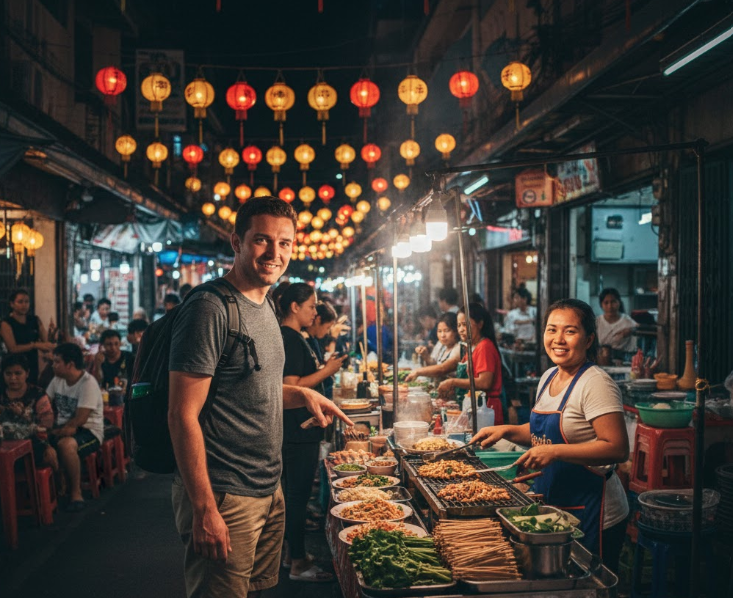
Americans often overthink tipping in Thailand. Thailand does not operate on U.S. tipping economics. Staff are typically paid wages. Tips exist, but they are not the foundation of income in the same way.
In many places, rounding up or leaving small change is normal. Exceptional service can be tipped modestly. A large, percentage-based tip can feel excessive or awkward.
The honest advice in this Thailand travel guide for Americans: be fair, be human, and do not turn tipping into a moral performance. Your attitude matters more than your percentage.
Culture Shock #5: Dress Codes Still Matter
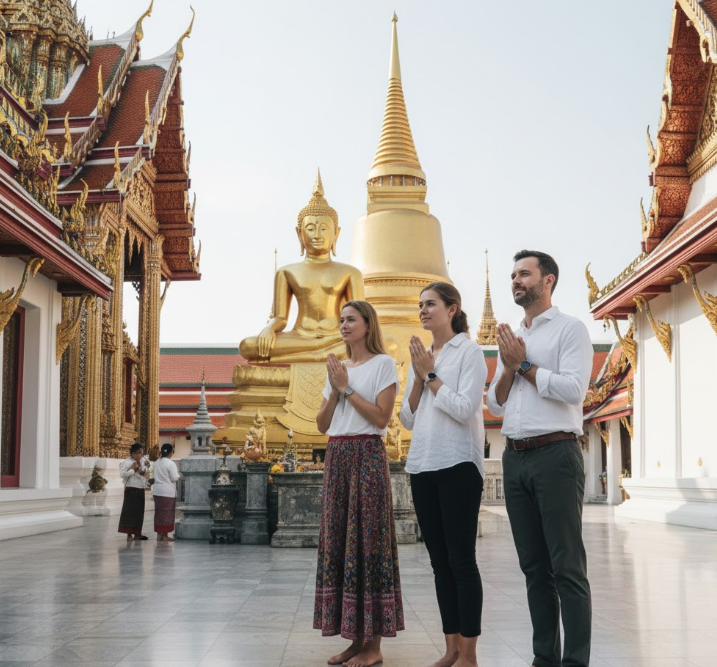
Thailand looks modern, but it remains conservative in certain contexts. Temples, government buildings, and traditional neighborhoods expect modest clothing.
Beachwear belongs on beaches. Walking through town in swimwear is not “vacation vibes.” It reads as disrespectful or careless.
Americans who respect dress codes avoid unnecessary friction and get better treatment in local spaces. You do not need to dress formally. You need to dress appropriately.
If you plan temple visits, carry a light cover-up. It solves problems instantly.
Culture Shock #6: Healthcare Can Be Shockingly Good
Many Americans assume healthcare abroad is risky or low quality. Thailand often surprises them. Private hospitals and clinics can be modern, organized, and efficient.
This does not mean you should travel without insurance. Accidents happen, and costs still exist. But the “panic” many Americans feel about healthcare is often misplaced.
For health guidance and travel vaccines, use official medical resources like the CDC Thailand traveler page: CDC: Thailand Traveler View.
Thailand is also known for accessible pharmacies. That convenience is helpful, but do not self-medicate recklessly. If you are unsure, ask a clinician. It is usually faster than you expect.

Culture Shock #7: Transportation Is Easy Until You Overplan
Thailand has reliable tourist transport: domestic flights, taxis, ride-hailing apps in major cities, and organized tours. The problem is not transportation. The problem is itinerary ambition.
Americans often plan Thailand like a checklist: Bangkok, Chiang Mai, Phuket, Krabi, islands, temples, elephants, markets, all in one trip. That becomes exhausting fast.
Thailand rewards slow travel. Fewer locations with longer stays creates better food experiences, better sleep, and less transfer stress. Your mood improves dramatically when you stop moving every other day.
Practical rule: if you have 7 days, choose two bases. If you have 10 days, choose two or three. Anything beyond that usually becomes a transfer-heavy mess.
Culture Shock #8: “Safe” Does Not Mean “Be Careless”
Thailand is generally safe for tourists, including Americans. Most serious incidents involve traffic accidents, alcohol, and poor judgment rather than crime.
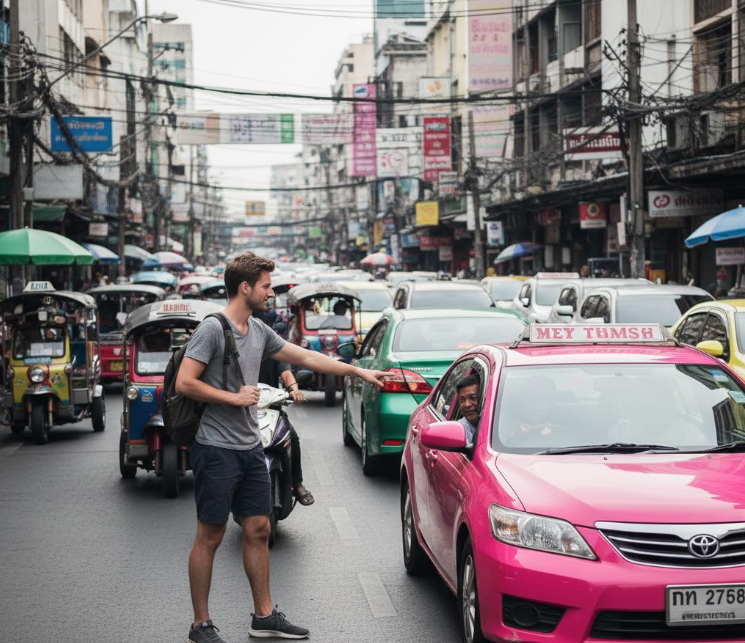
The number one risk pattern: Americans renting scooters without experience, without proper licensing, and without insurance. Many visitors treat scooters like toys. They are not.
If you must rent one, do it with real caution and proper documentation. Otherwise, use taxis and ride-hailing. Your “freedom” is not worth a hospital visit.
For U.S. travelers who want official safety and advisory information, use the U.S. Department of State Thailand pages: U.S. State Department: Thailand Travel Advisory.
Culture Shock #9: Thailand Feels Cheap Until It Suddenly Is Not
Americans arrive and see low prices for food, massages, and local transport. Then they start booking tours, private boats, premium hotels, and convenience transfers. That is where costs climb.
Thailand is affordable. It is not automatically cheap. The “value” is that you can buy comfort and luxury for less than many destinations, not that everything is low-cost.
Here are the common American overspending traps:
- Booking a “luxury” hotel far from where you spend time, then paying constantly for transport.
- Overbooking tours because you fear missing out, then feeling exhausted and resentful.
- Paying for convenience last-minute (private transfers, premium seats) without planning.
- Ignoring ATM and currency conversion fees.
The smarter strategy: pick one strong hotel base, plan a few high-quality experiences, and keep the rest flexible. That approach delivers the best ROI for Americans traveling to Thailand.
Culture Shock #10: Americans Stand Out More Than They Think
Americans are not disliked in Thailand, but American travel behavior can stand out: speaking loudly, demanding instant results, overexplaining, or treating service staff like they exist to be corrected.
Thai hospitality is polite and professional. You will often get excellent service. But the quality of interactions improves when you adjust your tone and expectations.
The blunt truth: self-awareness beats spending money. A calm, respectful traveler gets better experiences than a loud, impatient one.
This is why “culture shock” matters in a Thailand travel guide for Americans. Most problems are behavioral, not logistical.
Culture Shock #11: Thailand Is Easy If You Respect the System
Thailand works smoothly when you follow local flow. Fighting systems, demanding exceptions, or pushing boundaries creates friction.
The best American travelers in Thailand do three things:
- They keep requests simple and calm.
- They respect local norms in temples, transport, and public spaces.
- They avoid reckless shortcuts (especially on the road).
Thailand is easy for Americans who adapt. It becomes frustrating for Americans who insist Thailand should adapt to them.
A Simple Thailand Plan for Americans That Actually Works
Most first-time Americans do best with a simple structure. Thailand is not a country where you need to over-engineer. You need two things: a smart route and realistic pacing.
Option A: First-Time Classic Route (7–10 Days)
- Bangkok (2–3 nights): food, markets, skyline, day trips.
- One beach base (4–7 nights): choose one island area and stay there.
Option B: Culture + Calm Route (9–12 Days)
- Bangkok (2 nights)
- Chiang Mai (2–4 nights)
- One beach base (4–6 nights)
Americans often try to do multiple beach destinations. That usually adds transfers and removes relaxation. One strong beach base is almost always better than three rushed ones.
If you like decision-style comparisons, keep your content consistent: Dubai vs Doha is a good example of how FlyFono guides are structured.
Quick Do / Do Not Table (Easy Win for Readers)
| Do | Do Not |
|---|---|
| Stay calm, polite, and patient in service situations | Raise your voice or “argue your point” in public |
| Use official sources for entry rules | Rely on outdated social media visa posts |
| Choose 2 bases for 7–10 days | Move cities every 1–2 days |
| Use taxis/ride-hailing if unsure | Rent scooters without international driving license, experience and insurance |
| Carry modest cover-ups for temples | Wear beachwear everywhere |
Official Resources (Use These, Not Random Posts)
Rules and entry requirements can change. Use official sources:
- Tourism Authority of Thailand (TAT) (official tourism information)
- Thailand Immigration Bureau (official immigration information)
- U.S. State Department: Thailand Travel Advisory (official U.S. traveler advisory)
- CDC: Thailand Traveler View (vaccines and health guidance)
For a fast nationality-based entry check, use: FlyFono Visa Requirements Checker.
Frequently Asked Questions: Thailand Travel Guide for Americans
Is Thailand safe for Americans in 2026?
Thailand is generally safe for American travelers. Most issues come from traffic accidents and alcohol-related poor decisions, not violent crime. Use official advisories for regional updates.
Do Americans need a visa for Thailand?
Visa rules depend on passport type and length of stay. Confirm before booking flights using: FlyFono Visa Requirements Checker, and verify details via official Thailand immigration sources when needed.
Is Thailand friendly to Americans?
Yes. Thailand is welcoming. The biggest problems are not nationality-related. They come from behavior: impatience, loud confrontation, and disrespect for local norms.
Should Americans rent scooters in Thailand?
If you are not experienced and insured, avoid it. Many tourist injuries come from scooters. Taxis and ride-hailing are usually the safer choice.
How should Americans handle tipping in Thailand?
Tipping is optional and modest. Rounding up or leaving small change is common. You do not need U.S.-style percentage tips unless you choose to reward exceptional service.
What is the best first-time route in Thailand for Americans?
Bangkok for 2–3 nights, then one beach base for 4–7 nights. Fewer locations with longer stays usually creates a better trip than constant transfers.
Final Verdict
Thailand is one of the easiest international destinations for Americans, but it rewards travelers who adapt. Follow local norms, keep your itinerary simple, avoid risky transport choices, and use official sources for rules.
If you want a smoother entry experience, confirm requirements before booking flights: FlyFono Visa Requirements Checker.
Before you finalize flights or hotels, remember that a Thailand travel guide for Americans is only useful if you actually apply it. This Thailand travel guide for Americans is designed to reduce culture shock, avoid avoidable mistakes, and help Americans traveling to Thailand plan a smoother trip with fewer surprises.
If you follow the core rules in this Thailand travel guide for Americans—stay calm in service situations, respect local norms, simplify your itinerary, and avoid risky scooter choices—your Thailand trip will feel effortless instead of stressful. Use this Thailand travel guide for Americans as your pre-flight checklist, then confirm entry requirements using the FlyFono Visa Requirements Checker so your Thailand travel guide for Americans matches the latest rules for Americans traveling to Thailand.
For first-time visitors, a reliable Thailand travel guide for Americans matters far more than a generic itinerary. This Thailand travel guide for Americans focuses on real behavior, real rules, and real travel patterns that affect Americans traveling to Thailand, not just attractions.
When Americans rely on a practical Thailand travel guide for Americans, they avoid common frustrations around transport, money, alcohol rules, dress codes, and cultural misunderstandings. Treat this Thailand travel guide for Americans as your decision framework before and during your trip, and you will experience Thailand as an easy, welcoming destination rather than a confusing one for Americans traveling to Thailand.
Many travel mistakes happen because people skip a proper Thailand travel guide for Americans and rely on assumptions or outdated advice. A detailed Thailand travel guide for Americans helps Americans traveling to Thailand understand how daily life, rules, and expectations differ from the United States.
When you follow a well-structured Thailand travel guide for Americans, you plan smarter routes, avoid unnecessary risks, and manage your budget better as an American visitor. This is why every first-time trip benefits from a clear Thailand travel guide for Americans that focuses on behavior, logistics, and cultural awareness for Americans traveling to Thailand, not just sightseeing lists.