
Saudi Arabia tourism is undergoing one of the fastest perception shifts in global travel. What was once seen primarily as a religious or business destination is now actively drawing leisure travelers from Asia — including India, Southeast Asia, and parts of East Asia.
This change did not happen overnight. It is the result of structural changes in visas, aviation, pricing, branding, and traveler preferences. Asia’s growing interest in Saudi Arabia tourism reflects a broader shift away from overcrowded, over-commercialized destinations toward places that feel new, ambitious, and still relatively undiscovered.
This article explains why Asia is paying attention now — and why Saudi Arabia is increasingly compared to Dubai, Doha, and other Gulf hubs.
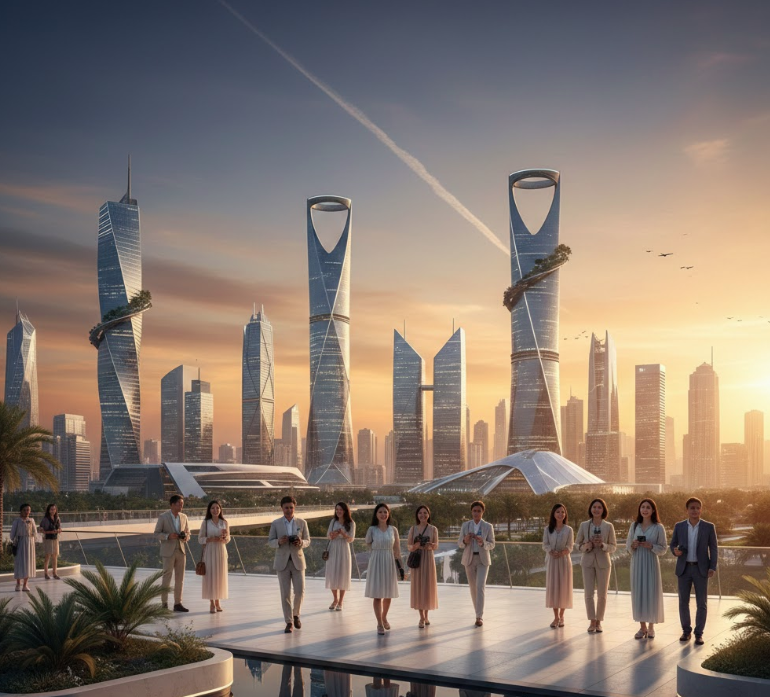
1. Asia Is Actively Looking for Dubai Alternatives
One of the biggest drivers behind rising Saudi Arabia tourism interest is simple fatigue.
For many Asian travelers, Dubai no longer feels novel. Hotel prices have risen sharply, attractions are crowded, and peak-season costs now rival European capitals.
This has pushed travelers to look for alternatives that offer:
- Luxury without saturation
- Modern infrastructure with cultural depth
- Better value for premium experiences
Saudi Arabia fits this gap increasingly well.
For a broader comparison of where travelers are looking instead of Dubai, see:
Dubai Alternatives: Where Travelers Are Going Next
2. Riyadh Is Being Compared Directly With Dubai
Riyadh is no longer positioned only as a government or corporate city. It is being actively branded as a lifestyle capital — with entertainment districts, luxury hotels, mega malls, and global events.
Asian travelers are increasingly comparing Riyadh and Dubai side by side when planning Middle East trips.
Key contrasts:
- Riyadh feels newer and less crowded
- Dubai offers familiarity but at higher cost
- Saudi Arabia tourism emphasizes scale and ambition
A detailed breakdown of how Riyadh stacks up against Dubai is covered here:
Riyadh vs Dubai: Which City Makes More Sense Now?
3. Easier Visas Changed the Equation for Asian Travelers
Visa friction has historically limited Saudi Arabia tourism from Asia. That barrier is now largely gone.
Saudi Arabia has expanded e-visa access to multiple Asian nationalities, reducing planning complexity and increasing spontaneity.
This aligns perfectly with Asian travel behavior, which increasingly favors:
- Short-haul international trips
- Last-minute planning
- Mobile-first booking
Travelers can quickly verify eligibility using tools like:
FlyFono Visa Requirements Checker
4. Flight Connectivity From Asia Has Expanded Rapidly
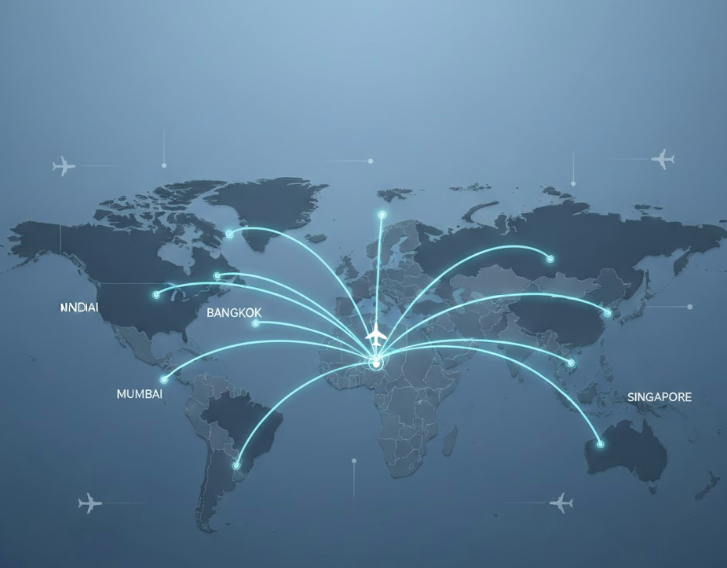
Saudi Arabia tourism growth is closely tied to aviation expansion.
New and increased frequencies from:
- India
- Thailand
- Malaysia
- Singapore
have made Riyadh and Jeddah viable leisure entry points rather than niche stops.
Competitive pricing and direct routes reduce the psychological distance between Asia and Saudi Arabia.
Travelers comparing routes and stopover options can experiment with itineraries using:
5. Saudi Arabia Is Benefiting From Doha’s Positioning
Qatar positioned Doha successfully as a premium cultural hub. That success paved the way for Saudi Arabia tourism to follow with scale.
Many Asian travelers now evaluate Middle East cities together:
- Dubai for shopping and familiarity
- Doha for culture and museums
- Saudi Arabia for newness and mega projects
For travelers deciding between Gulf destinations, this comparison is useful:
Dubai vs Doha: Which Gulf City Fits Your Trip?
6. Branded Hotels Are Cheaper Than Expected
One surprising factor behind Asia’s interest in Saudi Arabia tourism is hotel pricing.
Despite the luxury branding, branded hotels in Riyadh and Jeddah are often priced lower than equivalent properties in Dubai during peak seasons.
This appeals strongly to:
- Asian family travelers
- Premium-but-price-sensitive travelers
- Business + leisure (“bleisure”) trips
Travelers comparing value across global chains can reference:
Cheapest Branded Hotels Worldwide
7. Asia Is Comfortable With Cultural Learning Curves
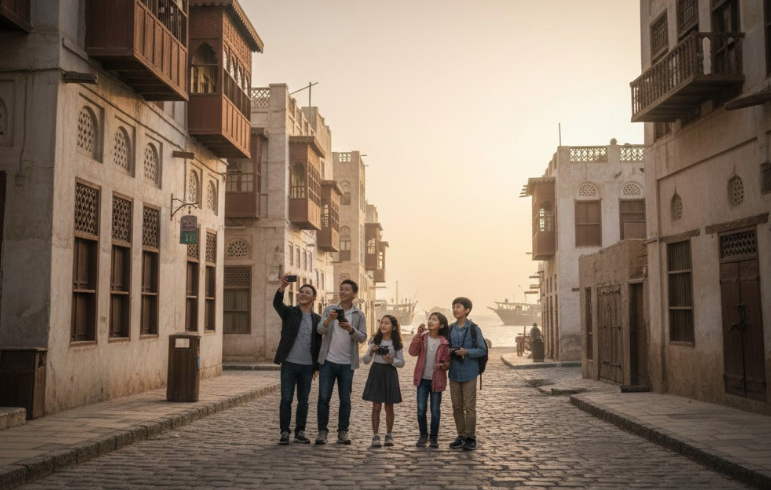
Unlike some Western markets, Asian travelers are generally comfortable navigating cultural differences.
Saudi Arabia tourism benefits from this mindset. Dress codes, etiquette, and local norms are seen as part of the experience rather than obstacles.
This is especially true for travelers from:
- India
- Indonesia
- Malaysia
- Thailand
For these markets, Saudi Arabia feels culturally rich rather than restrictive.
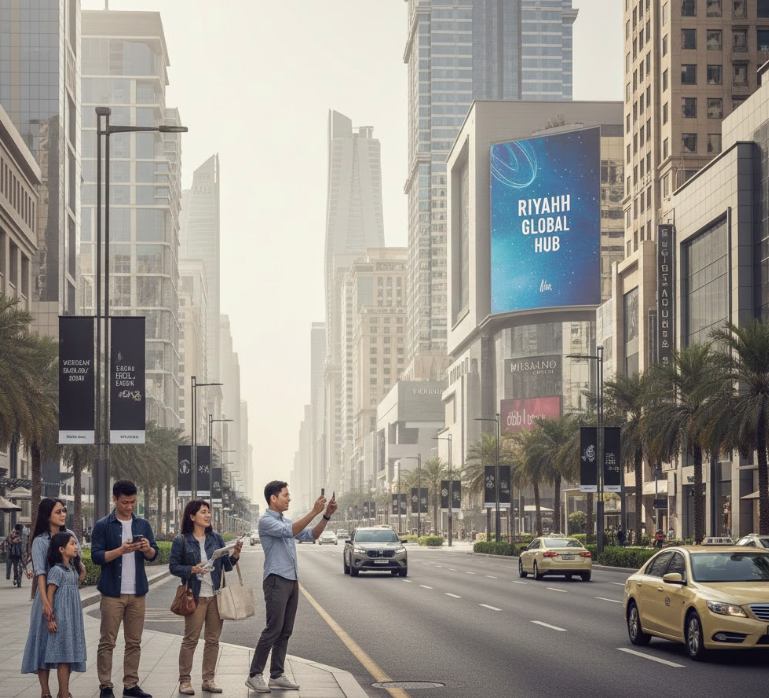
Smart Add-Ons Asian Travelers Are Using in Saudi Arabia
As Saudi Arabia tourism grows, travelers increasingly rely on digital travel services to reduce friction.
Popular add-ons include:
- Experience bookings
- Airport storage
- Local connectivity
These services are commonly used:
Book experiences and attractions via Klook
Guided tours and local activities
Airalo eSIM for data connectivity
Radical Storage for luggage
Saily eSIM options for travelers
Why This Trend Is Not a Short-Term Spike
Saudi Arabia tourism is backed by long-term policy, infrastructure spending, and airline strategy.
This is not a one-season trend. Asia’s interest is growing because the fundamentals are changing.
As prices rise elsewhere and travelers seek novelty, Saudi Arabia will increasingly sit on shortlists for Middle East trips from Asia.
Who Saudi Arabia Tourism Appeals to Most in Asia
Saudi Arabia tourism is not attracting all Asian travelers equally. Its strongest traction is coming from specific traveler profiles that align well with what the country currently offers.
Understanding who finds Saudi Arabia appealing helps explain why interest is rising rapidly rather than gradually.
1. Indian Travelers Seeking Something New
Indian outbound travel has matured. Dubai, Singapore, and Thailand are familiar territory for repeat travelers.
Saudi Arabia tourism offers Indian travelers:
- Short flight times
- Cultural familiarity in food and customs
- A sense of discovery without language shock
For many Indians, Saudi Arabia feels both foreign and familiar at the same time — a rare balance.
2. Southeast Asian Muslim Travelers
Travelers from Indonesia, Malaysia, and parts of Thailand are especially receptive to Saudi Arabia tourism.
Key reasons include:
- Halal-first environment
- Ease of prayer and religious observance
- Combination of faith and leisure travel
For this segment, Saudi Arabia is no longer only about pilgrimage. It is becoming a leisure destination with built-in comfort.
3. Asian Luxury Travelers Priced Out of Dubai
Luxury travelers from Asia are increasingly value-conscious.
Dubai’s hotel rates, dining prices, and attraction costs have climbed sharply. Saudi Arabia tourism offers comparable luxury infrastructure at lower average prices.
This is particularly attractive to:
- Affluent families
- Premium leisure travelers
- Bleisure travelers extending work trips
Why Saudi Arabia Tourism Still Feels “New”
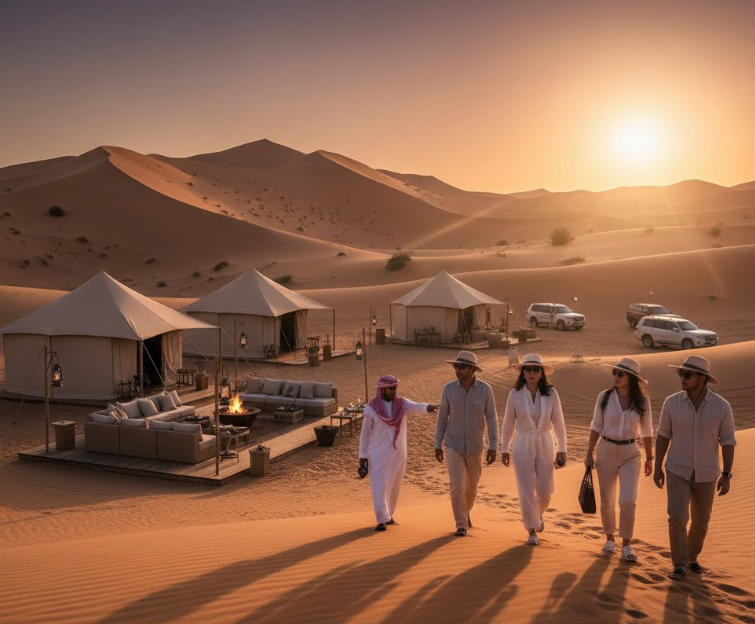
One of the strongest psychological drivers behind Asia’s interest is novelty.
Saudi Arabia tourism feels unfinished, evolving, and ambitious. Unlike Dubai, which feels fully built, Saudi Arabia feels like a destination people can discover before it peaks.
This sense of “being early” matters a lot to Asian travelers who increasingly avoid overexposed destinations.
Common Misconceptions Holding Asian Travelers Back
Despite rising interest, Saudi Arabia tourism still faces hesitation. Most concerns are based on outdated assumptions rather than current reality.
Misconception 1: It Is Too Restrictive
Many Asian travelers assume strict social rules will limit enjoyment.
In practice:
- Dress codes are relaxed in major cities
- Tourist areas are designed for international visitors
- Enforcement focuses on safety, not micromanagement
Travelers who respect basic cultural norms rarely face issues.
Misconception 2: There Is Nothing to Do
This perception is rapidly disappearing.
Saudi Arabia tourism now includes:
- Entertainment districts
- Concerts and festivals
- Desert experiences
- Heritage sites
The challenge is not lack of activities, but choosing which ones fit your trip length.
Misconception 3: It Is Only for Religious Travel
While religious travel remains important, it is no longer the defining feature.
Leisure travelers now account for a growing share of arrivals, especially from Asia.
How First-Time Asian Travelers Should Plan Saudi Arabia
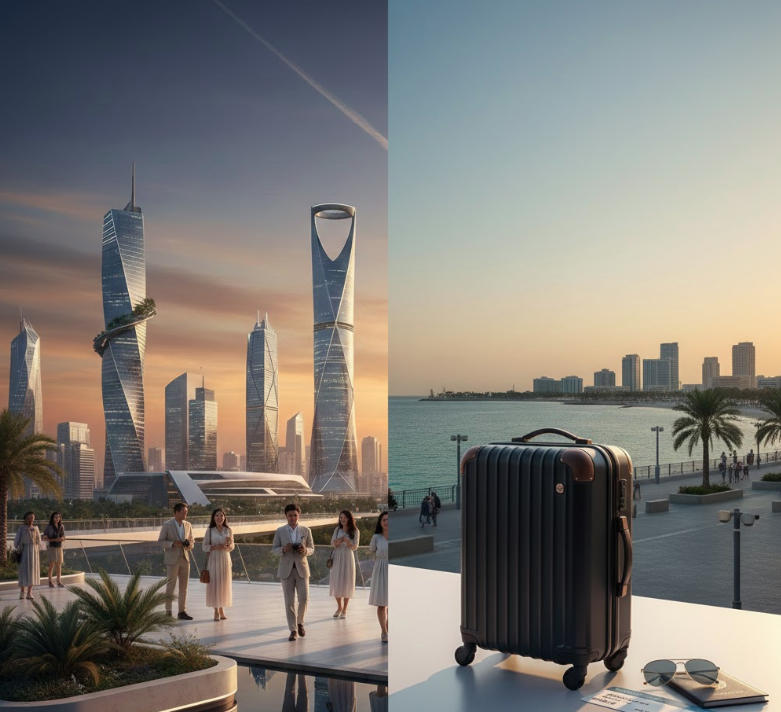
Saudi Arabia tourism rewards structured planning, especially for first-time visitors.
Choose One City, Not the Whole Country
Saudi Arabia is geographically large. Trying to see everything in one trip leads to exhaustion.
First-time travelers should:
- Start with Riyadh or Jeddah
- Add one secondary experience (desert or heritage)
- Limit total travel time
This mirrors how travelers approach Dubai or Doha on their first visit.
Plan Around Experiences, Not Landmarks
Unlike older destinations, Saudi Arabia tourism is experience-driven rather than landmark-driven.
Instead of ticking sites, focus on:
- Desert excursions
- Dining experiences
- Entertainment zones
This mindset shift improves satisfaction significantly.
How Long Asian Travelers Actually Stay
Saudi Arabia tourism works best as a short-to-medium stay destination.
Typical patterns:
- 3–4 nights for city-focused trips
- 5–6 nights for city + desert
- Longer stays only for combined business travel
This aligns well with Asian vacation patterns, which favor compact but high-quality trips.
Pricing Reality: Flights, Hotels, and Daily Costs
One reason Saudi Arabia tourism is gaining traction is predictable pricing.
Compared to Dubai:
- Hotel prices are more stable
- Luxury does not spike as aggressively
- Dining costs are moderate
Asian travelers comparing costs often find Saudi Arabia less volatile.
To optimize airfare, travelers should apply standard cost-saving strategies:
How to Find Cheap Flights (Practical Guide)
Connectivity and Digital Convenience Matter More Than Ever
Asian travelers rely heavily on digital tools.
Saudi Arabia tourism benefits from:
- High mobile penetration
- Reliable 4G and 5G coverage
- English-friendly service environments
Most visitors use eSIMs rather than local SIM cards for convenience.
Common options include:
Airalo eSIM for Saudi Arabia and Saily international eSIMs
Experiences Asian Travelers Are Booking Most
Experience-led travel is driving repeat visits.
Most-booked experiences include:
- Desert safaris
- Guided cultural tours
- Entertainment events
These are often booked via global platforms rather than on arrival.
Popular platforms include:
Klook experiences and Curated local tours
Luggage, Transit, and Practical Friction Points
Saudi Arabia tourism infrastructure is modern, but friction still exists.
Common issues include:
- Early hotel check-in limitations
- Long layovers for connecting flights
Luggage storage services are increasingly used to solve this.
Radical Storage for temporary luggage needs
Why This Trend Will Accelerate, Not Slow Down
Saudi Arabia tourism is backed by policy, funding, and aviation growth.
Unlike trend-driven destinations, Saudi Arabia’s push is structural.
Asia’s outbound market is expanding, and travelers are actively diversifying destinations.
Saudi Arabia sits perfectly at the intersection of:
- Geographic proximity
- Cultural comfort
- Infrastructure investment
Frequently Asked Questions
Is Saudi Arabia open to tourists from Asia?
Yes. Saudi Arabia welcomes tourists from many Asian countries through simplified visa processes, including e-visas for eligible nationalities.
Do Asian travelers need a visa to visit Saudi Arabia?
Most Asian travelers need a visa, but many can apply online through the Saudi e-visa system. Visa approval is usually quick and fully digital.
Is Saudi Arabia safe for Asian tourists?
Yes. Major cities and tourist areas are well-policed and designed for international visitors. Safety standards are comparable to other Gulf destinations.
Is Saudi Arabia expensive for tourists?
Costs vary by city and season, but many travelers find Saudi Arabia tourism more affordable than Dubai for hotels and dining, especially outside major events.
What is the best city for first-time visitors to Saudi Arabia?
Riyadh and Jeddah are the most suitable cities for first-time visitors due to strong infrastructure, international hotels, and English-friendly services.
How many days are enough for a Saudi Arabia trip?
Most Asian travelers find 4–6 days ideal. Shorter trips feel rushed, while longer stays require careful planning due to distances.
Is Saudi Arabia suitable for family travel?
Yes. Family-friendly hotels, shopping districts, and entertainment zones make Saudi Arabia tourism increasingly suitable for families.
Do tourists need to follow strict dress codes?
Modest clothing is recommended, but strict dress enforcement is rare in tourist areas. Visitors are not required to wear traditional Saudi attire.
Can non-Muslims travel comfortably in Saudi Arabia?
Yes. Saudi Arabia tourism is designed for international visitors of all backgrounds, and non-Muslims travel freely throughout most destinations.
Is alcohol available in Saudi Arabia?
No. Alcohol is not legally available. Travelers should plan dining and entertainment expectations accordingly.
Is English widely spoken in Saudi Arabia?
English is commonly spoken in hotels, restaurants, airports, and tourist attractions, making travel easier for Asian visitors.
What kind of experiences do tourists book in Saudi Arabia?
Popular experiences include desert tours, cultural heritage visits, entertainment districts, guided city tours, and curated dining experiences.
Is Saudi Arabia good for short vacations from Asia?
Yes. Direct flights and overnight routes make Saudi Arabia tourism suitable for short breaks, especially from South and Southeast Asia.
Can Saudi Arabia be combined with other Middle East destinations?
Yes. Many travelers combine Saudi Arabia with Dubai or Doha, depending on flight routes and trip length.
What is the biggest mistake first-time visitors make?
Trying to visit too many cities in one trip. Saudi Arabia tourism works best when travelers focus on one primary city.
Is public transport easy for tourists?
Public transport is improving, but taxis and ride-hailing apps are the most practical options for visitors.
When is the best time to visit Saudi Arabia?
Cooler months are generally more comfortable, but Saudi Arabia tourism operates year-round with indoor attractions mitigating heat.
Is Saudi Arabia suitable for solo travelers from Asia?
Yes. Solo travelers commonly visit Saudi Arabia, especially for city-based trips and guided experiences.
Do I need a guide to travel in Saudi Arabia?
A guide is not mandatory, but guided experiences improve cultural understanding and reduce planning friction for first-time visitors.
Final Takeaway
Saudi Arabia tourism is not replacing Dubai or Doha — it is joining the shortlist.
For Asian travelers seeking something new, culturally rich, and still affordable, Saudi Arabia offers a rare combination.
Those who visit now will experience the country before it becomes fully mainstream.