
Revenge Travel Is Dead: 7 Reasons Purpose Travel (PT) Is Winning
For a short, noisy period after global lockdowns, travel lost its meaning.
People traveled aggressively. Flights were booked impulsively. Hotels were paid for at inflated prices. Destinations were chosen for bragging rights, not value. This phase was called revenge travel.
Now it is over.
PT has replaced revenge travel as the dominant mindset shaping global tourism. Travelers are no longer chasing lost time. They are chasing meaning, control, and intention.
This is not a soft lifestyle trend. It is a structural shift driven by money, burnout, demographics, and smarter consumers.
If you are still building travel content, itineraries, or products around revenge travel behavior, you are already behind.

Table of Contents
What Was Revenge Travel (And Why It Burned Out Fast)
Revenge travel was emotional, reactive, and unsustainable.
It was fueled by three things:
- Pent-up frustration from lockdowns
- Excess savings in certain markets
- Fear of missing out amplified by social media
During this phase, travelers did not care about value. They cared about escape.
But revenge travel had serious flaws:
- It was expensive and inflation-heavy
- It caused overcrowding and poor guest experiences
- It burned travelers out instead of recharging them
Once savings normalized and travel fatigue set in, revenge travel collapsed.
What replaced it was not less travel. It was PT.
What Purpose Travel Actually Means (And What It Does Not)
Purpose Travel is not about being spiritual, ethical, or slow for the sake of appearances.
It is about intentional decision-making.
Travelers now ask:
- Why am I going?
- What do I want to gain?
- Is this worth my time and money?
Purpose Travel focuses on:
- Meaningful experiences over checklist tourism
- Value optimization instead of impulse spending
- Fewer trips, done better
This shift is visible in how people plan trips, choose destinations, and even search online.
Tools like FlyFono’s AI Trip Planner are gaining traction precisely because travelers want smarter, purpose-driven itineraries instead of generic inspiration.
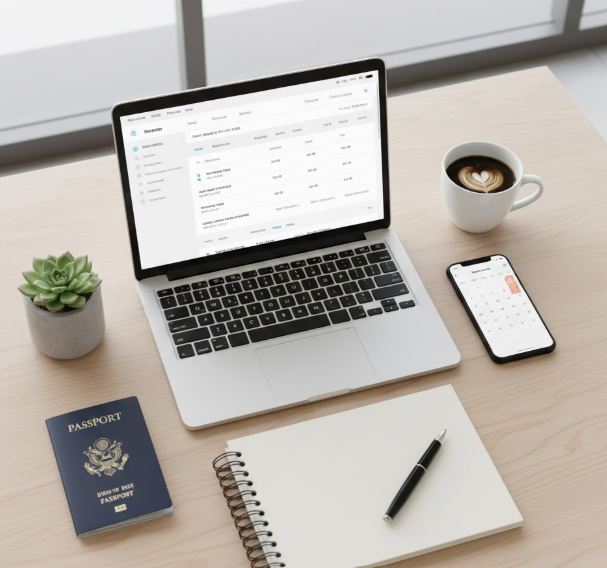
Reason 1: Travelers Are Spending Smarter, Not Less
The biggest myth in travel right now is that demand is weakening.
It is not.
Spending is becoming selective.
PT does not mean cheaper travel. It means justified travel.
Travelers will still pay for:
- Comfortable flights
- Well-located hotels
- Experiences with clear value
What they refuse to pay for:
- Overpriced mediocrity
- Crowded “Instagram-famous” spots
- Hidden fees and poor planning
This explains the rising popularity of resources like smart flight-finding strategies and flexible booking tools that give travelers control.
Reason 2: Burnout Killed the Desire for Chaos
Revenge travel promised freedom.
What it delivered was exhaustion.
Long queues. Delays. Overbooked attractions. Overstimulated itineraries.
It emerged as a response to burnout, not boredom.
Travelers now deliberately choose:
- Fewer destinations per trip
- Longer stays in one place
- Calmer, more predictable experiences
This is why secondary cities, regional destinations, and shoulder seasons are winning.
Purpose Travel rewards places that offer balance, not chaos.
Reason 3: Gen Z and Millennials Demand Meaning
Younger travelers are not traveling to escape life. They are traveling to shape it.
For Gen Z and Millennials, it aligns with:
- Personal growth
- Remote work lifestyles
- Skill-building and wellness
This generation values:
- Learning experiences
- Local immersion
- Trips that support long-term goals
That is why searches for visa flexibility, long stays, and cost-of-living comparisons are rising, supported by tools like visa requirement checkers.
Reason 4: Overcrowding Ruined “Bucket List” Destinations
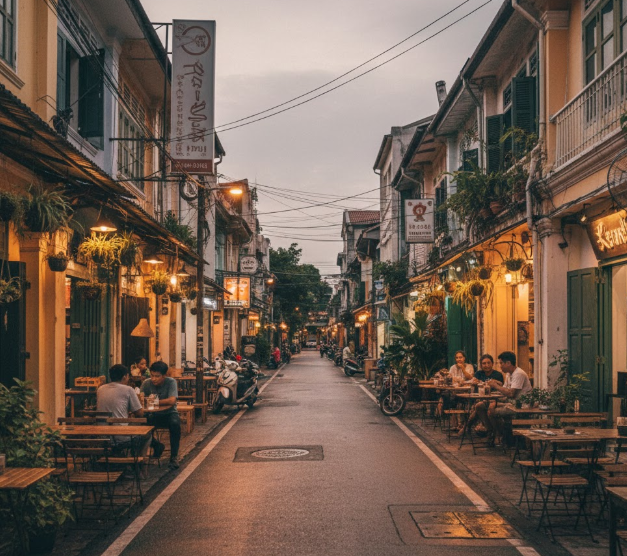
Revenge travel destroyed the magic of many famous destinations.
Overtourism became visible, not theoretical.
As a result, it prioritizes:
- Timing over hype
- Alternatives over icons
- Experience quality over landmarks
Travelers now actively search for where to go instead of where everyone goes.
This behavior shift is well documented by global tourism organizations such as the UN World Tourism Organization.
Reason 5: Planning Tools Changed Traveler Behavior
Revenge travel thrived on impulse.
PT thrives on planning.
AI-powered tools, flexible booking engines, and transparent pricing platforms have empowered travelers to make informed decisions.
Instead of scrolling endlessly, travelers now:
- Compare routes and prices
- Plan trips around goals
- Optimize itineraries for time and budget
This structural change alone ensures that Purpose Travel is not a trend. It is a new baseline.
Reason 6: Fewer Trips, Higher Standardsel.
Travelers are not chasing quantity anymore.
They are choosing:
- Two meaningful trips instead of five rushed ones
- Better hotels instead of more destinations
- Clear outcomes instead of random movement
This shift directly benefits destinations and brands that deliver consistency, not spectacle.
PT rewards:
- Comfort
- Reliability
- Transparent pricing
It punishes poor value faster than revenge travel ever did.
Reason 7: Travelers Want Control, Not Surprises
Revenge travel was impulsive by nature.
People booked first and figured things out later.
That behavior has reversed.
PT is built on control.
Travelers now expect:
- Clear visa rules before booking
- Predictable costs
- Flexible options in case plans change
This is why tools that remove uncertainty are gaining traction.
Resources such as visa requirement checkers and itinerary planners reduce anxiety and support purpose-driven decisions.
Uncertainty kills Purpose Travel.
Clarity fuels it.
How Purpose Travel Is Changing Destination Choices
Revenge travel favored famous cities and overexposed islands.
PT favors destinations that fit personal intent.
Examples include:
- Secondary cities over capital cities
- Long-stay friendly countries over weekend hubs
- Affordable regions with high quality of life
Instead of asking “Where should I go?”, travelers ask:
- Where does my money last longer?
- Where does my time feel respected?
- Where does this trip make sense?
This is why content comparing destinations, costs, and experiences performs better than generic travel inspiration.
Why Hotels Must Adapt to Purpose Travel
Hotels built around revenge travel tactics are already struggling.
Purpose Travel guests notice:
- Inconsistent service
- Overpricing without justification
- Facilities that look good online but fail in reality
PT guests reward:
- Functional design
- Quiet rooms
- Strong Wi-Fi
- Good location over luxury branding
Hotels that understand this shift will outperform flashier competitors.
Hotels that ignore it will rely on discounts to survive.
Why Airlines Are Also Changing Strategy
Revenge travel benefited airlines temporarily.
Purpose Travel reshapes how airlines compete.
Travelers now prioritize:
- Reliable schedules
- Transparent baggage rules
- Predictable pricing
This explains why route optimization, flexible fares, and comparison-based booking tools are becoming essential.
Content around finding cheap flights strategically aligns perfectly with Purpose Travel behavior.
Purpose Travel and the Rise of “Why-Based” Planning
The most important shift is psychological.
Revenge travel was emotional.
PT is intentional.
Travelers plan around:
- Life transitions
- Career flexibility
- Health and wellness
- Family priorities
Trips are no longer random escapes.
They are extensions of lifestyle decisions.
This is why personalized tools like AI trip planners outperform generic destination lists.
What This Means for Travel Content Creators
If your content still sells travel as chaos, urgency, or hype, it will decay.
PT content must:
- Explain value clearly
- Reduce decision friction
- Respect reader intelligence
High-performing travel content now focuses on:
- Comparisons
- Trade-offs
- Practical outcomes
This is also why long-form, structured articles outperform shallow listicles.
The Long-Term Outlook: Purpose Travel Is Not a Trend
Revenge travel was temporary.
Purpose Travel is structural.
It is supported by:
- Economic reality
- Remote work flexibility
- Digital planning tools
- Burnout recovery behavior
Once travelers learn to travel with intention, they do not revert.
This makes Purpose Travel the default mindset for the next decade.
Final Thought: Travel Has Grown Up
Revenge travel was loud, fast, and careless.
PT is calm, deliberate, and rewarding.
Travelers are no longer trying to make up for lost time.
They are trying to make time count.
If you understand this shift and build around it, you win.
If you ignore it, you will chase a trend that no longer exists.

PT is also reshaping how travelers think about time, money, and expectations in ways that revenge travel never could. Instead of maximizing movement, Purpose Travel maximizes outcome. Travelers now evaluate trips based on what they return with, not how many places they touched. A single Purpose Travel journey may focus on rest, skill-building, wellness, family reconnection, or professional clarity, rather than ticking off landmarks.
This mindset explains why longer stays, fewer hotel changes, and slower itineraries are rising across regions. Purpose Travel travelers deliberately avoid friction: unnecessary transits, unclear pricing, poor transport links, and overstimulated destinations. They plan around comfort windows, productivity needs, and mental recovery, which fundamentally changes booking behavior.
Purpose Travel also increases the importance of transparency, as travelers expect accurate photos, honest reviews, predictable costs, and flexible cancellation options. Unlike revenge travel, where disappointment was tolerated as the price of escape, Purpose Travel punishes misalignment immediately through negative reviews and lost loyalty. This is why hotels, airlines, and destinations that overpromise and underdeliver struggle to maintain demand in a Purpose Travel market.
Purpose Travel is not driven by impulse or hype cycles but by alignment with lifestyle goals, budget reality, and emotional return on investment. Once travelers experience the control, clarity, and satisfaction that Purpose Travel offers, they rarely return to chaotic planning or reactive decision-making. This reinforces why Purpose Travel is not just replacing revenge travel, but permanently redefining what successful, fulfilling travel looks like in the modern era.
Frequently Asked Questions
What is Purpose Travel?
Purpose Travel is a travel mindset where trips are planned intentionally around specific goals such as rest, productivity, learning, wellness, or family time, rather than impulse or hype-driven travel.
Why is revenge travel considered over?
Revenge travel declined because it was expensive, exhausting, and unsustainable. As inflation rose and burnout increased, travelers shifted toward Purpose Travel, which prioritizes value, clarity, and meaningful outcomes.
How is Purpose Travel different from traditional tourism?
Traditional tourism focuses on destinations and attractions. Purpose Travel focuses on intent, outcomes, and experience quality, often resulting in fewer destinations, longer stays, and better planning.
Is Purpose Travel only for long-term travelers or digital nomads?
No. Purpose Travel applies to short trips as well. Even weekend travel can be purpose-driven when travelers plan around rest, connection, or specific personal goals instead of rushing multiple activities.
Why are travelers choosing fewer trips under Purpose Travel?
Purpose Travel encourages fewer but higher-quality trips. Travelers prefer meaningful experiences and comfort over frequent, rushed travel that leads to fatigue and poor value.
Does Purpose Travel mean spending less money?
Not necessarily. Purpose Travel means spending smarter. Travelers are willing to pay for comfort, location, and reliability but avoid overpriced experiences that lack clear value.
How does Purpose Travel affect destination choices?
Purpose Travel favors secondary cities, quieter regions, and destinations that offer balance, affordability, and lifestyle compatibility instead of overcrowded tourist hotspots.
Why is planning more important in Purpose Travel?
Planning reduces friction and uncertainty. Purpose Travel relies on clear itineraries, predictable costs, visa clarity, and flexible bookings to ensure the trip aligns with the traveler’s intent.
How are hotels adapting to Purpose Travel trends?
Hotels are focusing more on functionality, comfort, quiet spaces, strong Wi-Fi, and transparent pricing, as Purpose Travel guests prioritize experience quality over luxury branding.
Is Purpose Travel a temporary trend or a long-term shift?
Purpose Travel is a long-term structural shift driven by economic realities, burnout recovery, remote work, and smarter consumer behavior. Unlike revenge travel, it is unlikely to reverse.
Who benefits most from Purpose Travel?
Travelers seeking balance, value, and meaningful experiences benefit the most, as well as destinations, hotels, and airlines that deliver consistency, clarity, and reliability.
How can travelers plan a Purpose Travel trip effectively?
Travelers can plan Purpose Travel trips by clearly defining their goal, choosing destinations that support it, minimizing unnecessary movement, and using planning tools that reduce uncertainty.