
Guide for Indians to Visit Australia: 15 Visa, Cost, Food & Travel Tips
Australia is one of the most misunderstood destinations for Indian travelers. Some people assume it is “too far and too expensive.” Others assume it is like Europe or the UK with better weather. Both assumptions are wrong.
This guide for Indians to visit Australia is built for real decisions, not brochure fantasies. It focuses on what Indian travelers actually care about: visa reality, flight routes, cost shock prevention, Indian food availability, safety, transport, weather, shopping rules, and how to plan an itinerary that feels worth the money.
If you plan Australia properly, it can be one of the cleanest, safest, and most comfortable long-haul trips Indians can take. If you plan it badly, it becomes expensive, tiring, and underwhelming.
Before You Book: Read This First
This guide for Indians to visit Australia is designed for first-time travelers who want clarity, not hype. If you are searching for a guide for Indians to visit Australia that covers visa reality, flight routes, costs, Indian food, transport choices, and practical mistakes to avoid, you are in the right place.
Most articles talk about beaches and landmarks. This guide for Indians to visit Australia focuses on decision-making: where to start, what to skip, and how to avoid overspending. Use this guide for Indians to visit Australia to build a realistic plan that feels worth the time and money.
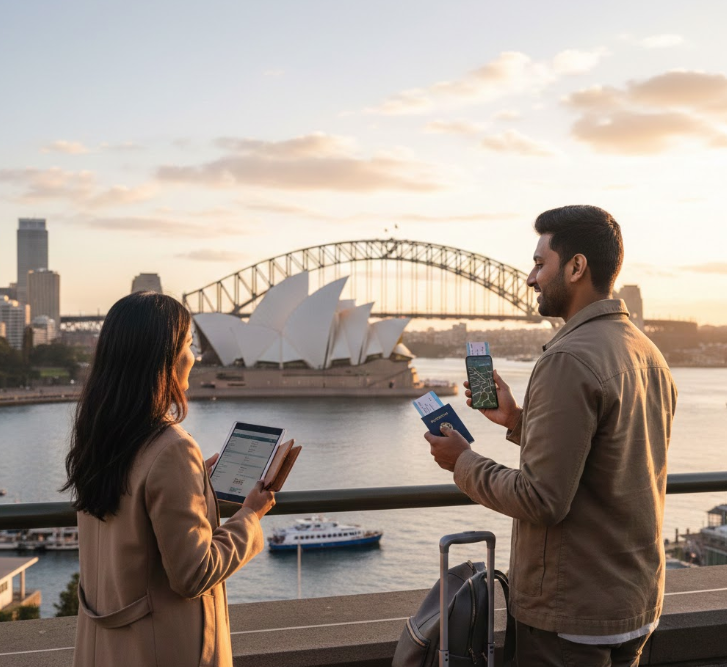
Quick Answer: Is Australia Worth Visiting for Indians?
Yes, Australia is worth visiting for Indians, but only if you accept three truths: Australia is not a budget destination, distances are massive, and planning matters more here than almost anywhere else. This guide for Indians to visit Australia exists so you do not waste money learning those lessons the hard way.
Table of Contents
How to Use This Guide (Fast)
This guide for Indians to visit Australia is structured so you can plan in one sitting. If you are searching for a guide for Indians to visit Australia that covers visa reality, flight routes, cost planning, Indian food, transport, and itinerary pacing, start with the visa section and then follow the order on this page.
Many posts are written like travel brochures. This guide for Indians to visit Australia is written like a checklist. Use this guide for Indians to visit Australia to avoid overpaying on hotels, avoid wasting money on taxis, and avoid trying to “cover” too many cities.
If you are traveling with parents or kids, this guide for Indians to visit Australia will help you choose Indian-friendly areas and reduce food stress. If you are a first-timer, this guide for Indians to visit Australia will help you pick the correct city combination and the correct pace.
Treat this guide for Indians to visit Australia as your planning filter: visa first, flights second, hotel location third. That is the core logic behind this guide for Indians to visit Australia.
If you only read one section, read the cost breakdown. This guide for Indians to visit Australia is deliberately honest about money, because cost shock is the main reason Indians feel disappointed after visiting.
1. Visa Reality for Indians (No Assumptions)
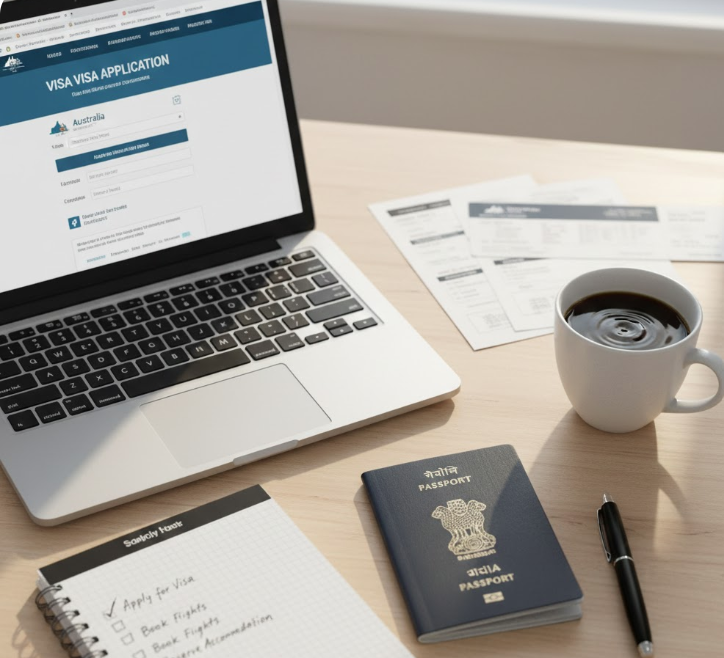
Let us start with the most important reality: Indian passport holders do not get visa-free or visa-on-arrival entry to Australia. You must apply in advance, and approval is not automatic.
Most Indian tourists use the Visitor Visa (Subclass 600). Your experience depends on documentation quality, travel history, clarity of intent, and proof of funds. Do not rely on agents or random social media advice as your primary source.
Use official sources only:
- Australian Government (Home Affairs): https://immi.homeaffairs.gov.au/
- Australian Government travel advice (Smartraveller): https://www.smartraveller.gov.au/
Typical documentation includes proof of funds, a travel plan, employment or business proof, and ties to India. If you submit weak documentation and expect magic, you are gambling with your time and money. This guide for Indians to visit Australia is direct about that because polite lies do not help.
Do not book non-refundable flights before visa approval unless you are prepared to lose money. Australia is not the place for careless booking.
2. Flights from India: Routes and Booking Logic
Australia is far. There is no shortcut. The goal is not to find a “cheap hack” that does not exist, but to buy flights with fewer mistakes: wrong connections, extreme layovers, and non-refundable fares before visa approval.
Most routes from India are one-stop via Southeast Asia or the Middle East. Nonstop options exist but can be limited and priced higher. If you are traveling with family, reduce connection stress. If you are traveling solo, you can trade comfort for price.
A common Indian mistake is fixing dates too early and overpaying. Australia rewards flexibility. If you can shift even by a few days, you can sometimes reduce fare pain dramatically.
Internal planning help (FlyFono): Cheapest Flexible Flights (No-BS Method)
If you want a simple rule: book the trip only when visa status is clear, then use flexible date search to find a reasonable fare window. You do not need perfect. You need “good enough” without stress.

3. Real Costs: What Makes Australia Feel Expensive
Australia feels expensive because many Indians compare it to Thailand, Vietnam, or Malaysia. That comparison is wrong. Australia is a high-income economy with high wages, strong systems, and premium pricing for convenience.
Most Indian travelers overspend on three things:
- Eating out for every meal
- Booking hotels in premium tourist zones “for convenience”
- Using taxis or ride-hailing for everything
Australia rewards planning. Spontaneous travel here is expensive, not romantic. This guide for Indians to visit Australia assumes you want comfort without financial shock.
The best way to reduce total cost is not to hunt for the cheapest everything. It is to remove the dumb costs: wrong locations, wrong transport choices, and convenience spending.
Comparison Table: Sydney vs Melbourne vs Brisbane vs Perth (Indian Perspective)
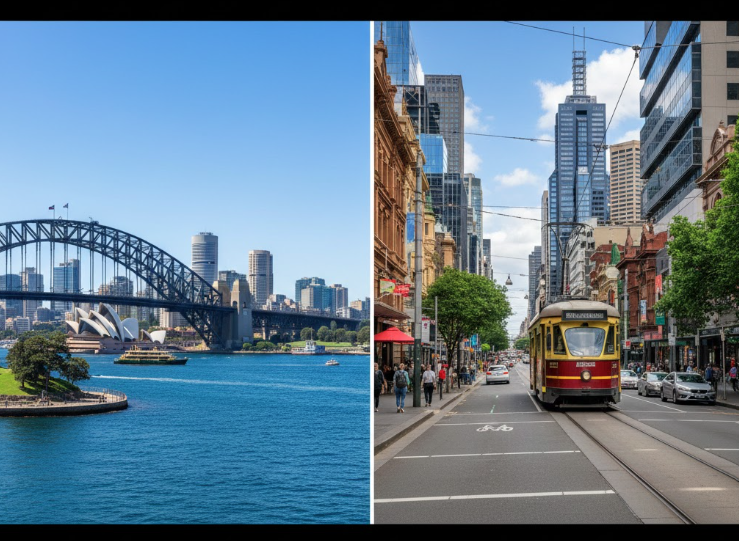
This table is built for Indian travelers who want to choose cities based on outcomes: cost, comfort, food options, transport, and trip style.
| City | Best For | Cost Level | Indian Food & Grocery | Public Transport | Reality Check |
|---|---|---|---|---|---|
| Sydney | First-timers, iconic landmarks, beaches | High | High availability | Strong | Great, but hotel location choice decides your budget pain |
| Melbourne | Food culture, longer stays, relaxed city life | Medium-High | Very high availability | Strong | Often the most comfortable city for Indians overall |
| Brisbane | Warm weather, slower pace, families | Medium | Moderate to high | Good | Less “wow” than Sydney, but easier on budget |
| Perth | Nature, calm city vibe, repeat visitors | Medium | Moderate | Good | Feels isolated from the east coast; plan flights carefully |
For most first-time Indian travelers, Sydney + Melbourne is the best starting combination. Brisbane becomes attractive when you want a calmer pace. Perth is excellent but requires more intentional planning.

4. Indian Food in Australia: City-by-City Reality
Indian food is widely available across major Australian cities. Availability is not the problem. Price is. If you treat Australia like India or Thailand for dining costs, you will feel cheated. It is not cheating. It is economics.
Sydney
Sydney has extensive Indian restaurants and grocery stores. The issue is cost and location. If you stay in premium tourist zones, you will pay premium tourist pricing for everything.
Melbourne
Melbourne is often the easiest for Indians: strong Indian community presence, many options for vegetarian travel, and solid grocery access. Many Indians feel comfortable here for longer stays.
Brisbane and Perth
You will still find Indian food and groceries, but variety can be lower than Sydney and Melbourne. If food comfort is a priority, choose accommodation near areas with Indian communities and grocery access.
A simple tactic that saves money: mix eating out with grocery purchases. Even occasional cooking changes the total trip cost dramatically. This guide for Indians to visit Australia is honest about it because pretending you can eat out for every meal “on a budget” is fantasy.

5. Where to Stay: Area Strategy and Hotel Tricks
Accommodation is the biggest controllable cost in Australia. The problem is not “Australia is expensive.” The problem is people book hotels emotionally instead of logically.
If you stay in the most premium tourist zones, you pay premium pricing for hotels, food, and transport. If you stay slightly outside with good public transport access, you can cut costs without feeling “far away.”
Internal hotel-saving guide (FlyFono): Cheapest Branded Hotel Trick
Another “Indian reality” that matters: if food comfort is important, choose areas where Indian groceries and restaurants exist nearby. That reduces stress and reduces daily spending.
This guide for Indians to visit Australia is blunt: accommodation strategy can save or waste thousands. Treat it as your main decision, not a background detail.
6. Public Transport vs Driving: What Indians Should Choose
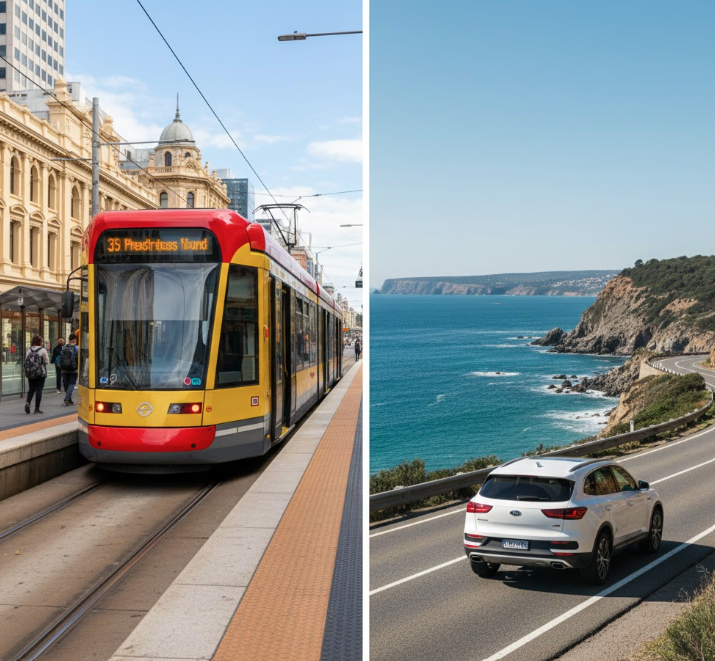
Many Indians assume they must rent a car to enjoy Australia. That is not always true. In major cities, public transport is often the smarter choice.
Public transport tends to be clean, punctual, and predictable. Driving makes sense when you are doing regional travel or road trips. Driving inside city centers can be stressful and expensive due to parking and strict enforcement.
If you drive, take rules seriously. Australia enforces traffic laws consistently. Fines are high. “I did not know” will not save you. This is one reason Australia feels safe and orderly.
If you want an official weather and conditions reference for road-trip planning, use the Bureau of Meteorology: https://www.bom.gov.au/
7. A Practical Budget Model for Indians (Without Fake Numbers)
Most blogs either avoid numbers or throw random numbers without context. That does not help. A better approach is to build a “budget model” based on how Indians actually spend.
Budget Type A: Budget-Conscious (Still Comfortable)
- Hotel slightly outside city center with strong transport access
- Public transport passes, limited taxis
- One restaurant meal per day, the rest groceries or food courts
- Free nature experiences prioritized over paid attractions
This profile is the best value. Australia feels expensive compared to Southeast Asia, but reasonable compared to Western Europe.
Budget Type B: Comfort-First (Couple or Family)
- Better hotel location, sometimes closer to prime areas
- More ride-hailing for convenience
- More paid experiences, fewer “long walks”
- Dining out more often
This profile is very common for Indian families. The trip becomes easier and cleaner, but costs rise sharply. You should accept that reality instead of pretending it will not happen.
Budget Type C: The Overpay Profile (Avoid This)
- Premium tourist-zone hotel
- Taxis everywhere
- Eating out for every meal
- Trying to cover too many cities quickly
This is the profile that returns to India saying “Australia is overrated and too expensive.” In most cases, the problem was planning, not Australia. This guide for Indians to visit Australia is here to prevent that outcome.
8. Safety, Laws, and Cultural Rules (What Indians Must Know)
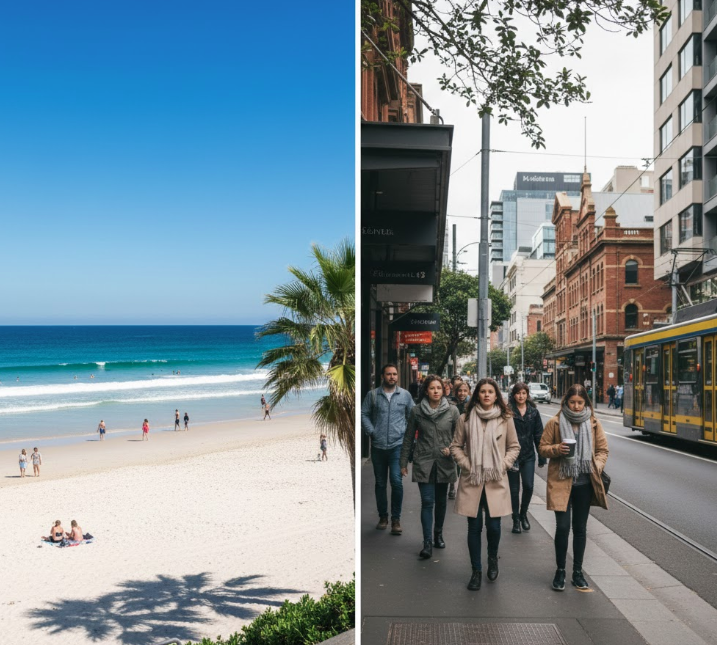
Australia is generally very safe. However, it is not casual about rules. If you treat Australia like a “relaxed backpacking destination,” you may get fined or stressed.
Rules that are commonly enforced:
- Traffic rules and speed limits
- Smoking and public behavior regulations
- Littering and alcohol-related rules (varies by place)
If you want official safety and travel updates, use Smartraveller (Australian Government): https://www.smartraveller.gov.au/
Racism exists in isolated cases, as it does globally. Most Indian travelers experience neutral or positive interactions, especially in multicultural cities. Your best protection is simple: stay in well-connected areas, follow local rules, and avoid unnecessary confrontations.
This guide for Indians to visit Australia is not here to sell you a fantasy. Australia is safe, but it expects adult behavior.
9. Weather and Best Time to Visit (Indians Often Get This Wrong)
Australia’s seasons are opposite to India. December is summer, June is winter. Many Indians forget this and book the wrong season for their comfort. Australia is huge, so weather differs by region.
Before booking flights and hotels, check official forecasts and climate information at the Bureau of Meteorology: https://www.bom.gov.au/
General planning guidance:
- If you hate heat, avoid peak summer weeks in hotter regions.
- If you want beaches, plan for warmer months but manage crowds and pricing.
- If you want a balanced first trip, consider shoulder seasons for comfort and pricing.
Australia punishes rushed itineraries more than weather does. Still, weather planning can protect you from a miserable, overpriced experience. This guide for Indians to visit Australia treats season choice as a strategic decision, not a random date.
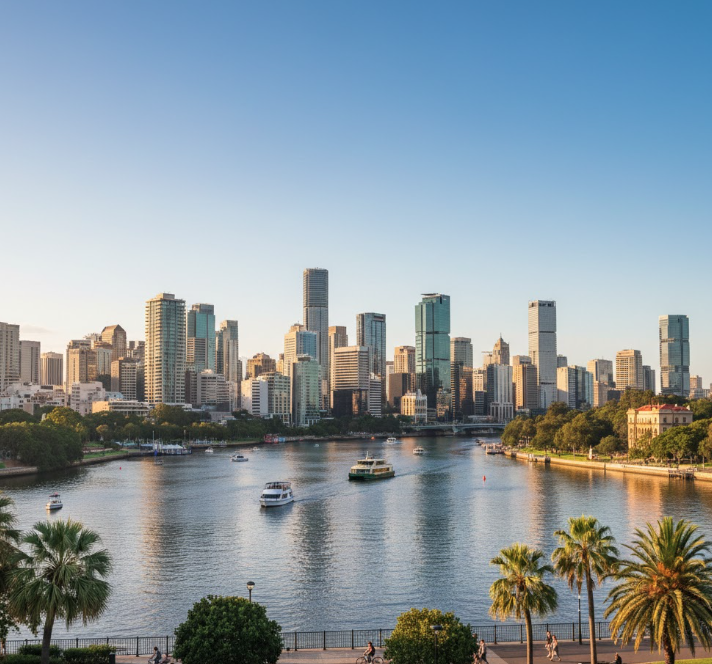
10. Shopping and GST Refund (TRS): The One Official Trick
If you shop in Australia, you should know about the Tourist Refund Scheme (TRS), which can allow eligible travelers to claim back GST on certain purchases when leaving Australia.
Official TRS information is hosted by the Australian Border Force: https://www.abf.gov.au/entering-and-leaving-australia/tourist-refund-scheme
Practical reminders:
- Keep tax invoices, not just card receipts.
- Understand eligibility rules and time limits.
- Plan time at the airport so you are not rushing.
If you want one “real” savings lever in Australia, this is it. Everything else is mostly marketing.
11. SIM, Internet, and Apps Indians Actually Need
Internet quality is strong in major cities. Local SIMs are easy to purchase at airports and city shops. International roaming can work, but it is usually unnecessary.
Apps that reduce friction:
- Maps and public transport routing
- Ride-hailing for late nights or family convenience
- Banking apps for real-time spending control
If you want a low-stress trip, set up your payments and apps before landing. The first day should be adjustment, not chaos.
12. Australians, Service Culture, and “Hidden Costs” Indians Notice
Australia’s service culture feels different from India. It is often polite but not overly attentive. You may not get the same “hospitality warmth” you expect in India or parts of Asia, but you get predictability and professionalism.
Costs that surprise Indians:
- Weekend and holiday pricing for hotels and activities
- Higher casual dining prices compared to Asia
- Parking fees in city centers
This is not “hidden.” It is just normal for a high-income country. If you accept that reality, Australia feels premium instead of “overpriced.” That mindset shift is central to this guide for Indians to visit Australia.
13. Mistakes Indians Commonly Make (Do Not Repeat These)
Most disappointment comes from predictable mistakes. Here are the big ones:
- Trying to cover too many cities quickly
- Underestimating distances between places
- Budgeting like Southeast Asia
- Eating out for every meal “because cooking feels like work”
- Driving without understanding strict enforcement and parking costs
- Booking hotels for “views” instead of transport access
Australia punishes rushed travel. If you want Australia to feel worth it, slow down. This guide for Indians to visit Australia is blunt because gentle advice does not stop expensive mistakes.
14. Itineraries: 7 Days, 10 Days, 14 Days (Indian-Style Planning)
The goal is not to “cover Australia.” The goal is to enjoy the parts you choose without spending your entire trip in transit. These itineraries assume you want a balance of iconic highlights, Indian comfort, and realistic pacing.
7-Day Australia Itinerary (First-Timers)
- Days 1–3: Sydney (icons, coastline, city vibe)
- Days 4–7: Melbourne (food culture, relaxed exploration)
This is the best first-time structure for most Indians. It is simple, efficient, and high-satisfaction.
10-Day Australia Itinerary (Better Pace)
- Days 1–4: Sydney
- Days 5–8: Melbourne
- Days 9–10: Day trips based on your interests (nature, coast, experiences)
This itinerary gives you breathing room. Australia feels better when you stop sprinting.
14-Day Australia Itinerary (Balanced, Not Exhausting)
- Days 1–5: Sydney
- Days 6–10: Melbourne
- Days 11–14: Brisbane (or a slower nature-focused extension)
If you want a longer trip, add days, not cities. A longer itinerary should buy you calm, not chaos. That is the difference between a premium experience and an expensive mistake.
One-Minute Summary for Fast Planners
If you only remember one thing, remember this: Australia rewards preparation. This guide for Indians to visit Australia recommends starting with Sydney + Melbourne, staying near public transport, balancing eating out with groceries, and keeping your pace slow.
Use this guide for Indians to visit Australia as a checklist: visa first, flights second, hotel location third, then transport, food planning, and itinerary pacing. That is how Indians get a premium Australia experience without budget shock.
15. Final Verdict: Who Should Visit Australia (and Who Should Not)
Australia is ideal for Indian travelers who value safety, clean infrastructure, nature, and comfort. It is one of the easiest long-haul countries to navigate once you accept the cost reality.
Australia is not ideal for ultra-budget travelers or last-minute planners. If you want the “cheap fun” feeling, Southeast Asia will beat Australia every time.
If planned correctly, Australia delivers one of the most stress-free long-haul travel experiences Indians can take. That is the honest conclusion of this guide for Indians to visit Australia.
Internal link (visa knowledge base): Visa-Free vs Visa on Arrival vs eVisa
FAQs: Guide for Indians to Visit Australia
Is Australia visa difficult for Indians?
It is not “difficult” if your documentation is strong, consistent, and honest. It becomes difficult when applicants provide weak proof of funds, unclear travel intent, or inconsistent documentation. Use official Home Affairs guidance: https://immi.homeaffairs.gov.au/
How many days are enough for a first Australia trip?
For most Indians, 7–10 days is the minimum that feels worth the long flight. A 14-day trip is ideal if budget permits, because it allows a slower pace.
Is Indian food easily available in Australia?
Yes, especially in major cities like Sydney and Melbourne. The challenge is cost, not availability. Grocery access and occasional cooking can reduce spending.
Is Australia safe for Indian tourists?
Australia is generally very safe. Follow local laws and use official travel advisories when planning: https://www.smartraveller.gov.au/
Can Indians claim GST refund when leaving Australia?
Eligible travelers may be able to claim GST refunds under the Tourist Refund Scheme (TRS). Use the official Australian Border Force guidance: https://www.abf.gov.au/entering-and-leaving-australia/tourist-refund-scheme
What is the best official site to check Australia weather before travel?
Use the Australian Government Bureau of Meteorology: https://www.bom.gov.au/
Internal links used in this article: Cheapest Flexible Flights | Cheapest Branded Hotel Trick | Visa Types Guide
Official external sources referenced: Home Affairs | Smartraveller | TRS (ABF) | Bureau of Meteorology