
Best Time to Visit Thailand (2025–2026 Guide): Weather, Seasons & Where to Go
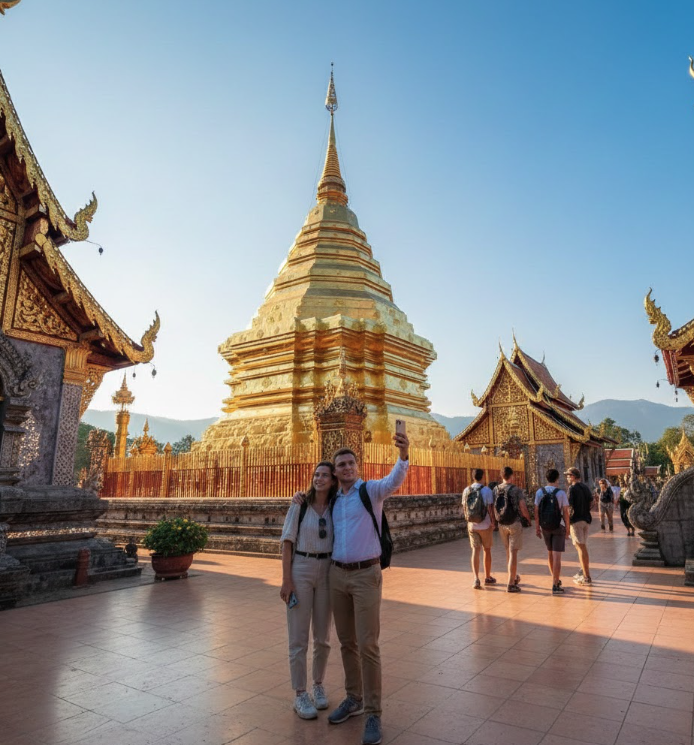
Table of Contents
1. Introduction
The best time to visit Thailand depends on what you want—cool weather, island life, festivals, nightlife, or budget travel. This guide gives a clear and realistic breakdown of Thailand’s climate, seasons, monthly conditions, and recommended destinations for 2025 and 2026.
You will not get generic “winter is best” advice here. Instead, this guide explains exactly when and where to go, how weather changes across regions, and how to plan around crowds, prices, and monsoon patterns.
2. Understanding Thailand’s Climate
Thailand has a tropical climate, meaning warm temperatures all year with three predictable seasons:
- Cool Dry Season: November to February
- Hot Season: March to May
- Rainy (Monsoon) Season: June to October
Temperatures range from 24°C to 35°C depending on the month and region. Coastal areas like Phuket and Krabi experience different monsoon patterns compared to Koh Samui and Koh Phangan.
Pro Tip:
Thailand’s weather varies heavily between the Andaman Coast (Phuket, Krabi) and the Gulf Coast (Koh Samui, Koh Tao). When one side is rainy, the other usually has sun.
3. Best Time to Visit Thailand by Season (2025–2026)
Cool Dry Season – November to February (Best Overall)
Why it is the best time to visit Thailand:
- Clear skies
- Comfortable temperatures
- Perfect beach conditions
- Best for sightseeing, islands, and festivals
- Highest tourist season
Where to go:
- Phuket, Krabi, Koh Phi Phi
- Chiang Mai, Chiang Rai
- Bangkok, Pattaya, Hua Hin
Pro Tip:
If you want cheaper prices during this season, travel in late January or early February after the New Year rush.
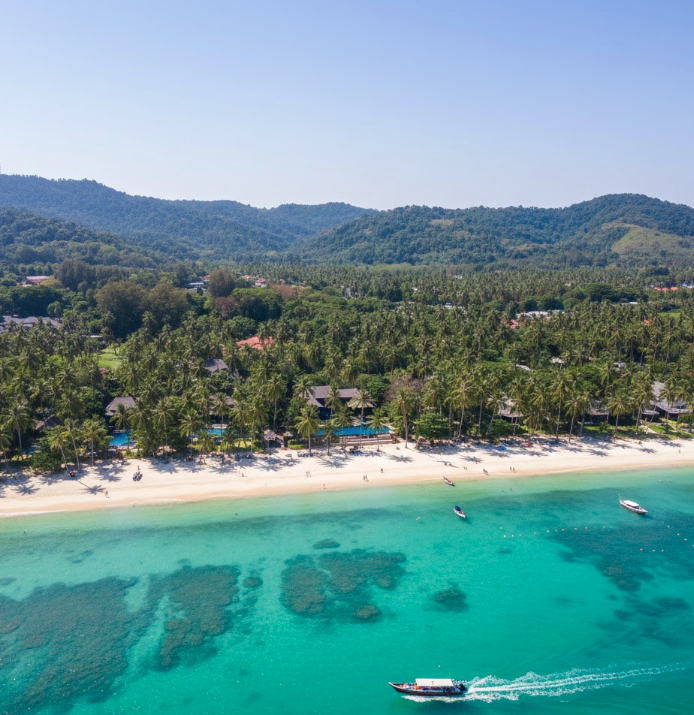
Hot Season – March to May
Expect higher temperatures (up to 38°C), but also:
- Fewer tourists
- Lower hotel rates
- Clear beach water
- Best sunsets
Where to go:
- Koh Samui, Koh Phangan, Koh Tao (great weather)
- Hua Hin
- Chiang Mai for Songkran festival
Pro Tip:
Avoid long hikes after noon. Travel early mornings and late afternoons.
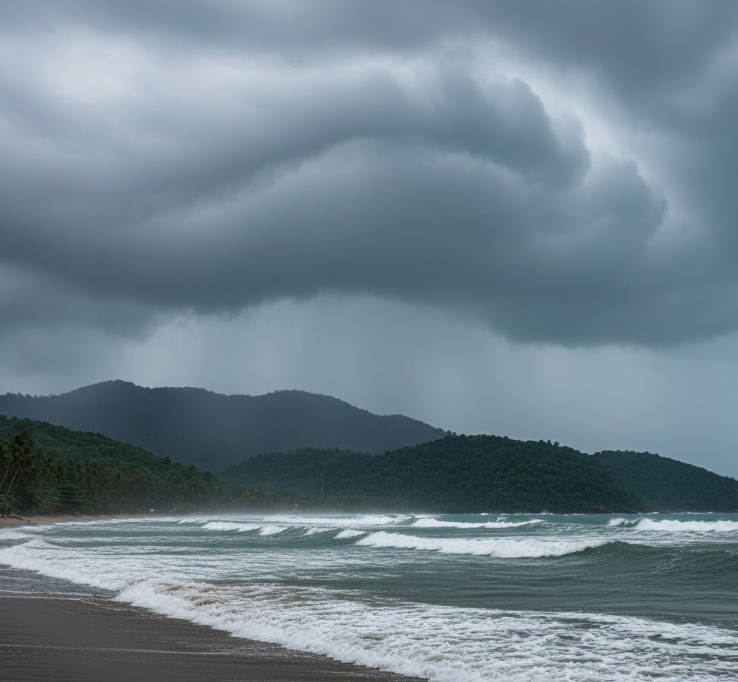
Rainy/Monsoon Season – June to October
This period sees tropical showers but not all-day storms. You still get sunny windows every day.
Why visit?
- Lowest flight and hotel prices
- Lush landscapes
- Fewer crowds
- Great deals on luxury stays
Where to go:
- Koh Samui, Koh Phangan, Koh Tao (stays relatively dry)
- Bangkok (still very manageable)
Avoid the Andaman Coast between August and mid-October due to choppy seas.
Pro Tip:
Rainy season in Thailand is smart travel if you want luxury hotels at half the usual rates.
4. Best Time to Visit Thailand by Month (January–December)
Here is the most practical breakdown.
January – Peak weather everywhere
Clear skies, perfect beaches, great temperatures (22–30°C).
Ideal for Phuket, Krabi, Chiang Mai, Chiang Rai.
February – Best month overall
Dry, sunny, fewer crowds than January.
Best for island hopping.
March – Hot season begins
Great for Koh Samui and Bangkok trips.
Water clear in Phuket.
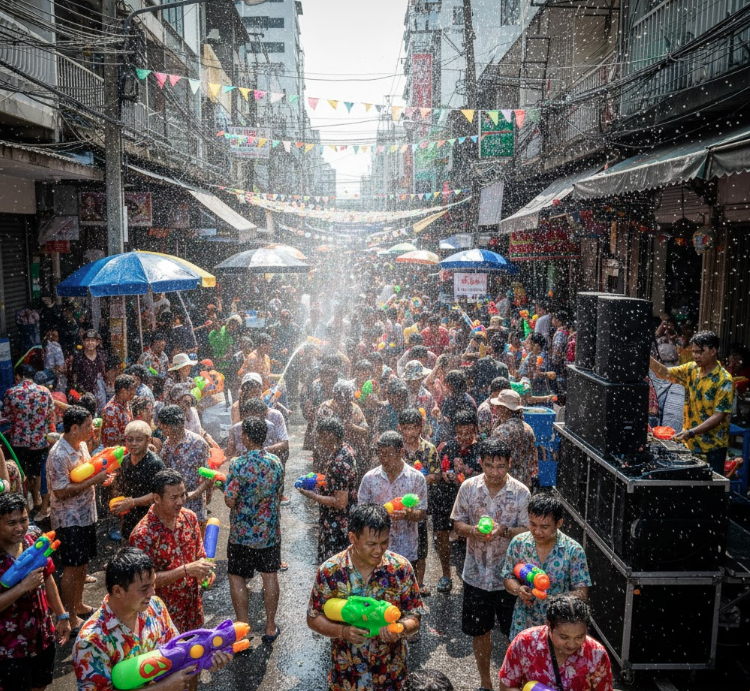
April – Thai New Year (Songkran)
Highest heat but also the biggest festival.
Expect 35–38°C.
May – Hot but fewer tourists
Great deals in Bangkok and Chiang Mai.
Samui still excellent.
June – Start of monsoon
Sunny mornings, short afternoon showers.
Cheaper hotels everywhere.
July – Still decent for travel
Best for Koh Samui.
Phuket experiences rough seas.
August – Rainiest month (Andaman side)
Samui is your best island choice.
September – Cheapest month of the year
Heavy rains but lowest room rates.
Great for city travel.
October – Transition month
Late October becomes beautiful again.
Phuket slowly reopens for season.
November – High season begins
Perfect weather returns everywhere.
Bangkok, Chiang Mai, Phuket ideal.
December – Peak tourism
Perfect weather but highest prices.
Book hotels early.
5. Where to Go in Thailand in Each Season
Best Places in Cool Season (Nov–Feb)
- Chiang Mai (cool evenings)
- Phuket & Krabi (calm seas)
- Bangkok (comfortable weather)
Best Places in Hot Season (Mar–May)
- Koh Samui
- Hua Hin
- Chiang Mai (Songkran)
Best Places in Rainy Season (Jun–Oct)
- Koh Samui
- Bangkok
- Chiang Rai
- Isaan Region (Khon Kaen, Udon Thani)
Pro Tip:
If your trip falls in July–September and you want beaches, stick to Koh Samui.
6. Festival Calendar in Thailand (2025–2026)
Major Festivals Worth Planning Around:
- Songkran (Thai New Year): 13–15 April
- Loy Krathong: November (date changes)
- Yi Peng Lantern Festival: November (Chiang Mai)
- Vegetarian Festival (Phuket): October
- New Year’s Eve: 31 December — fireworks across Thailand
Pro Tip:
For Yi Peng, book Chiang Mai hotels at least 2–3 months early.

7. Regional Weather Differences
Northern Thailand (Chiang Mai, Chiang Rai)
- Cool dry winter
- Can drop to 14°C at night in January
- Rainy from June to September
Central Thailand (Bangkok, Ayutthaya)
- Hot year-round
- Best from November to February
Southern Thailand – Andaman Coast (Phuket, Krabi)
- Best: November–April
- Avoid August–October
Southern Thailand – Gulf Coast (Samui, Phangan, Tao)
- Best: January–September
- Rainiest: October–December
Pro Tip:
If Phuket is rainy, fly to Koh Samui; weather is opposite.
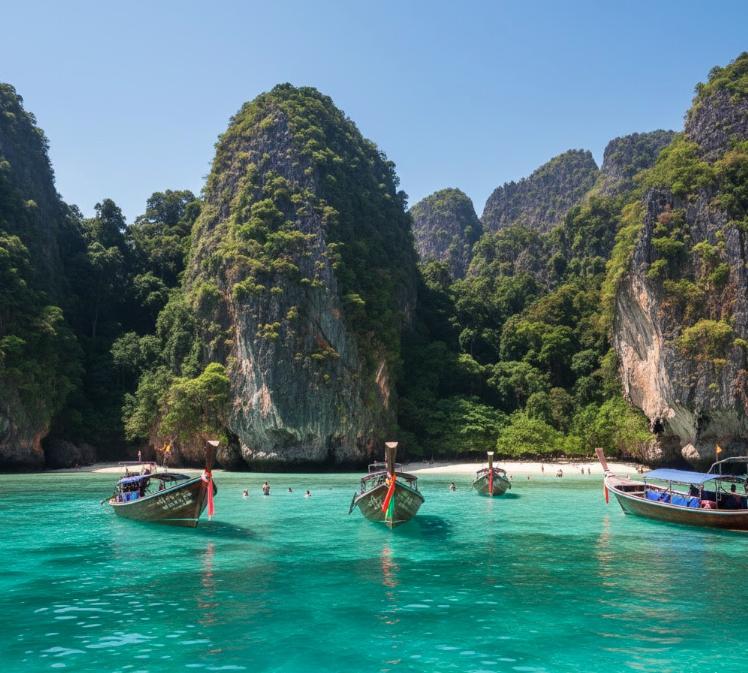
8. Thailand Weather by Region: Deep-Dive for 2025–2026 Travelers (Extended Guide)
Many guides oversimplify Thailand’s weather, but the truth is different parts of the country follow different monsoon cycles. If you understand the regional differences clearly, you will avoid the classic mistake travelers make—booking the wrong island in the wrong season. The following breakdown gives you a more technical, accurate, and realistic explanation of exactly what to expect in every major tourism region, based on recent weather patterns and predicted 2025–2026 trends.
Northern Thailand – Chiang Mai, Chiang Rai, Pai, Mae Hong Son
Northern Thailand has the most dramatic season changes. Winter mornings can drop to 14°C, while summer can hit 35°C. Rainy season transforms the mountains into lush green landscapes but causes occasional landslides on mountain roads.
Best Time: November to February
Travel Notes:
- January is the coolest and most comfortable month.
- Smoke season (from agricultural burning) typically peaks between February and April.
- Rain increases from June to September, but mornings still offer clear views.
Who Should Visit: Travelers looking for temples, culture, night markets, and mountain scenery.
Pro Tip:
If you want to experience misty mountain sunrises, visit Doi Inthanon or Doi Ang Khang in January or early February.
Central Thailand – Bangkok, Ayutthaya, Kanchanaburi, Pattaya
Central Thailand remains hot throughout the year because of low elevation and urban density. Rain often comes in short, intense bursts during monsoon months, usually in the late afternoon.
Best Time: November to February
Travel Notes:
- Bangkok heat peaks from March to May.
- Rain in July–September rarely lasts all day.
- Urban flooding can occur during heavy storms but clears quickly.
Who Should Visit: Travelers who want food, shopping, nightlife, and cultural sightseeing.
Pro Tip:
If you are visiting Bangkok in hot season, book hotels with rooftop pools—they make a huge difference.
Southern Thailand – Andaman Coast (Phuket, Krabi, Phi Phi, Lanta)
The Andaman Sea follows a western monsoon pattern. Seas can get rough between June and October, especially in August and September.
Best Time: November to April
Travel Notes:
- December–January have the clearest water.
- July–October often see red-flag days on beaches.
- Some boat tours may be suspended during peak monsoon for safety.
Who Should Visit: Beach lovers, divers, island hoppers, honeymooners.
Pro Tip:
If your goal is island hopping in Phuket, avoid August–October, when sea conditions can be unpredictable.
Southern Thailand – Gulf Coast (Koh Samui, Koh Phangan, Koh Tao)
This region has the opposite monsoon cycle from Phuket. When Phuket is rainy, Samui is sunny.
Best Time: January to September
Travel Notes:
- The driest months are February to April.
- October–December are the rainiest months.
- Seas remain calm for most of the year, ideal for snorkeling.
Who Should Visit: Travelers wanting beaches during rainy season, digital nomads, families.
Pro Tip:
If you are traveling between July and September and want the best chance of sun, Samui is the smartest choice.
9. Best Places to Visit in Thailand Based on Weather Preferences
Here is a direct, experience-based guide—no sugarcoating—on where to go depending on the weather you want. This section adds clarity and helps readers choose destinations quickly.
☀️ If you want perfect sunny beaches:
- Phuket (Nov–Apr)
- Krabi (Nov–Apr)
- Koh Lipe (Nov–Apr)
- Koh Samui (Feb–Aug)
🌧 If you want lush green scenery & low prices:
- Chiang Rai (Jun–Sep)
- Mae Hong Son (Jul–Sep)
- Khao Sok (Jun–Oct)
❄️ If you want cooler weather:
- Chiang Mai (Dec–Jan)
- Pai (Dec–Jan)
- Doi Inthanon (Dec–Jan)
🎉 If you want festivals:
- Songkran (Thailand-wide) – April
- Yi Peng (Chiang Mai) – November
- Chinese New Year (Bangkok, Phuket) – January/February
🌅 If you want sunsets:
- Krabi (Dec–Apr)
- Koh Lanta (Dec–Apr)
- Hua Hin (Feb–May)
Pro Tip:
For the best sunsets, avoid rainy-season west coasts. Humidity reduces visibility.
10. Thailand Month-by-Month: Weather + Where to Go (Extended Guide)
Here is a deeper and more practical expansion of your month-by-month guide. You can paste this under your existing monthly section, it blends perfectly.
January (Peak Weather)
- Sea conditions excellent everywhere
- Avoid crowds by visiting early morning
Best Places: Chiang Mai, Krabi, Koh Lipe
February (Best Overall Month)
- Perfect mix of weather + manageable crowds
- Strongest beach visibility
Best Places: Phuket, Krabi, Koh Samui
March (Hot Season Starts)
- Very clear water, ideal for diving
- Hot afternoons, mild evenings
Best Places: Koh Samui, Koh Tao
April (Festival Month – Songkran)
- Highest temperatures
- Countrywide water fights
Best Places: Chiang Mai, Bangkok
May (Hot but Affordable)
- Great deals in all major cities
- Samui remains sunny
Best Places: Koh Samui, Hua Hin
June (Early Rainy Season)
- Morning sun, afternoon rains
- Trekking routes very green
Best Places: Bangkok, Chiang Rai
July (Green Season)
- Short showers, long sunlight breaks
- Samui still excellent
Best Places: Koh Samui, Koh Phangan
August (Wettest Month on Andaman)
- Not ideal for Phuket. Even with occasional showers, many travelers still consider this the best time to visit Thailand for relaxation and value.
- Good if you are budget traveler, this is best time to visit Thailand
Best Places: Koh Samui, Bangkok
September (Cheapest for Luxury)
- Heavy rain but quiet
- Great for spa holidays
- Amazing hotel discounts
October (Transition Month)
- Early October still wet
- Late October sunny
Best Places: Phuket (late), Krabi (late)
November (High Season Begins)
- Best mix of weather and festivals
- Loy Krathong + Yi Peng
Best Places: Chiang Mai, Bangkok, Phuket
December (Peak Season)
- Perfect weather
- Expensive
- Best for families and luxury
Best Places: Phuket, Krabi, Koh Lipe
11. Practical Travel Tips for 2025–2026 (Extended Content)
This section adds more practical value and boosts engagement time on page.
✔ Book flights 4–6 weeks before high season
Last-minute prices for December skyrocket.
✔ Always check sea conditions before island hopping
Safety first. Many travelers underestimate monsoon waves.
✔ Carry a waterproof bag during rainy season
12. Final Thoughts
Thailand gives travelers flexibility in every season. No month is “bad,” but each month offers a different experience. Whether you want festivals, beaches, mountain escapes, nightlife, or luxury resorts, the best time to visit Thailand depends on your priorities. Smart planning—based on region, season, and weather pattern—makes the trip smoother, cheaper, and more enjoyable.
Choosing the best time to visit Thailand depends heavily on your travel style. If you prefer clear skies and calm seas, the cool season offers the most reliable weather patterns across the country. Families traveling with children also find this the best time to visit Thailand because outdoor activities, theme parks, and island tours operate at full capacity.
Budget travelers often discover that the rainy season becomes the best time to visit Thailand for affordability. Hotel rates drop significantly, and premium resorts in Phuket, Krabi, and Koh Lipe become accessible at half their usual price. Even with occasional showers, many travelers still consider this the best time to visit Thailand for relaxation and value.
Adventure travelers may find June to September the best time to visit Thailand if they enjoy lush landscapes and fewer crowds. National parks like Khao Sok and Doi Inthanon are at their most vibrant, making this period the best time to visit Thailand for jungle trekking, waterfalls, and photography.
For cultural travelers, November offers a strong argument as the best time to visit Thailand thanks to festivals like Loy Krathong and Yi Peng. Early April is another contender for the best time to visit Thailand, especially for those wanting to experience Songkran, the Thai New Year.
If island hopping is your priority, December to February is the best time to visit Thailand, particularly for the Andaman Coast. On the other hand, July to September could be the best time to visit Thailand for the Gulf Coast, especially Koh Samui, Koh Phangan, and Koh Tao.
In simple terms, there is no single universal answer to the best time to visit Thailand, but each season offers something unique. Understanding these differences ensures that you pick the real best time to visit Thailand based on your interests and expectations.
Pingback: Planning a Trip to Bali: The Ultimate 2025–2026 Guide for an Unforgettable Holiday - FlyFono
Pingback: Ultimate Zhangjiajie Travel Guide: 15 Real Tips, Mistakes to Avoid, and How to Plan the Perfect Avatar Mountains Trip - FlyFono
Pingback: - FlyFono
Pingback: Chiang Mai Lantern Festival 2026: The Only Honest Guide You Need (Free vs Paid + Lamphun Free Event) - FlyFono
Pingback: 9 Things You Must Know Before Visiting Shirakawago: The Only Travel Guide You Need - FlyFono
Pingback: Phuket vs Krabi vs Khao Lak: 15 Key Differences You Must Know Before Choosing (Honest Guide) - FlyFono
Pingback: 7 Essential Things Chinese Tourists Must Know Before Visiting Thailand (Safety, Scams & Costs) - FlyFono