
The practical takeaway
Iran airspace risk has quietly become one of the most important variables affecting westbound flights from Asia. While most travelers focus on ticket price and layovers, few stop to consider how geopolitical risk alters flight paths, travel time, airline reliability, and even…
Iran airspace risk has quietly become one of the most important variables affecting westbound flights from Asia. While most travelers focus on ticket price and layovers, few stop to consider how geopolitical risk alters flight paths, travel time, airline reliability, and even refund eligibility.
This guide explains what the Iran airspace risk actually means for Asia travelers, why airlines are rerouting flights, and what you should verify before booking westbound journeys to Europe, the Middle East, or North America.
This is not alarmist content. It is practical, fact-based guidance designed to help travelers avoid delays, missed connections, and unexpected disruptions.

Table of Contents
What Iran Airspace Risk Actually Means
Iran airspace risk refers to the elevated safety concerns associated with civilian aircraft flying over or near Iranian-controlled airspace, especially during periods of heightened regional tension.
This risk is not theoretical. Aviation history has shown that conflict zones, even when not actively at war, introduce the possibility of misidentification, air defense alertness, and sudden airspace closures.
As a result, aviation regulators and airlines treat Iranian airspace as a dynamic risk zone rather than a permanently closed one.
Why Airlines Are Rerouting Flights Around Iran
When Iran airspace risk increases, airlines do not wait for incidents. They act preemptively.
Rerouting decisions are driven by:
- Regulatory advisories from aviation authorities
- Internal airline safety assessments
- Insurance and liability exposure
- Operational risk tolerance
European aviation authorities have repeatedly issued guidance urging airlines to avoid Iranian airspace at all altitudes during periods of instability.
For official safety advisories, travelers can refer to:
European Union Aviation Safety Agency – Conflict Zones
Even when Iranian airspace technically remains open, many carriers choose longer but safer routes.
Which Flights From Asia Are Most Affected
The impact of Iran airspace risk is not uniform.
Flights most affected include:
- Asia → Europe (especially South Asia and Southeast Asia routes)
- Asia → Middle East → Europe connections
- Asia → Eastern United States via Europe
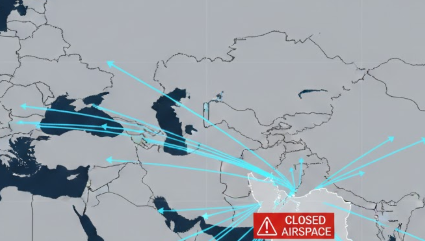
Flights departing from India, Thailand, Singapore, Malaysia, and Indonesia often cross Iranian airspace on the shortest path to Europe.
When rerouted, these flights may divert north via Central Asia or south via the Arabian Peninsula.
How Rerouting Changes Your Flight Experience
Iran airspace risk does not usually lead to cancellations, but it often changes how flights operate.
Common consequences include:
- Longer flight times (30 to 120 minutes)
- Higher fuel consumption
- Increased likelihood of technical stops
- Crew duty time constraints
For passengers, this can mean later arrivals, tighter connections, or aircraft swaps.
Importantly, these changes may happen after you book.
Why Some Airlines Are More Reliable Than Others
Not all airlines respond to Iran airspace risk the same way.
Large network carriers with flexible fleets and multiple routing options adapt more smoothly. Smaller carriers or ultra-long-haul operators may struggle.
Factors that matter:
- Fleet range capability
- Crew scheduling flexibility
- Hub location
- Access to alternate refueling airports
This explains why some airlines maintain on-time performance while others suffer repeated delays during periods of elevated Iran airspace risk.
Why Ticket Price Alone Is a Bad Decision Metric
When airspace risk rises, cheapest tickets often come with hidden costs.
Lower fares may:
- Have stricter change and refund penalties
- Offer tighter connections vulnerable to delays
- Use aircraft with limited rerouting margin
Smart travelers compare price and operational resilience.
This is where flexible planning tools help identify routes less exposed to disruption.
Use the FlyFono AI Trip Planner to compare westbound routes that avoid high-risk airspace.
Airspace Closures Can Happen Without Notice
One of the most misunderstood aspects of Iran airspace risk is speed.
Airspace status can change within hours due to:
- Military escalations
- Regional security incidents
- Emergency NOTAMs
When this happens, flights already en route must divert immediately.
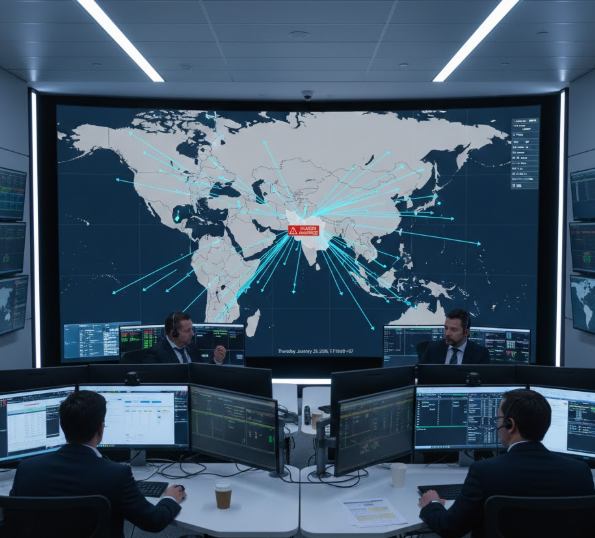
Real-time flight tracking platforms often show these diversions before airlines issue public statements.
For live route visibility, travelers can monitor:
Flightradar24 – Live Flight Tracking
Refunds, Rebooking, and Passenger Rights
Iran airspace risk affects more than routing. It affects your rights.
Airlines typically classify rerouting due to airspace risk as “extraordinary circumstances.”
This often means:
- No automatic compensation
- Limited refund eligibility
- Rebooking at the airline’s discretion
However, many airlines voluntarily offer flexible rebooking during sustained disruptions.
Reading fare rules carefully before booking is critical.
Why Asia Travelers Must Think Differently
Travelers departing from Asia face unique exposure.
Westbound flights from Asia are longer, cross more airspace regions, and have fewer diversion options than short-haul European routes.
As a result, Iran airspace risk has a disproportionate impact on:
- Asia-Europe itineraries
- Multi-segment connections
- Long-haul business travel
Asia travelers should prioritize routing stability over minor price differences.
What You Should Always Check Before Booking
Before booking any westbound flight from Asia during periods of elevated Iran airspace risk, verify the following:
- Does the flight normally overfly Iran?
- Has the airline recently rerouted similar flights?
- Are connection times realistic if delays occur?
- Does the fare allow free changes?
Flexible-date comparison tools make this much easier.
You can cross-check multiple routing scenarios using FlyFono Cheapest Flexible Flights .
Why This Topic Is Not About Fear
Iran airspace risk is not about avoiding travel.
It is about understanding how geopolitical realities affect aviation logistics.
Millions of passengers continue to fly safely every week on rerouted paths. The risk is managed, not ignored.
The difference between a smooth journey and a disrupted one often comes down to informed booking decisions.
Which Airlines Handle Iran Airspace Risk Better
Not all airlines respond to Iran airspace risk with the same level of operational resilience. The difference usually comes down to fleet capability, network depth, and crisis planning.
Airlines that tend to manage disruptions better typically have:
- Long-range aircraft with strong fuel margins
- Multiple routing corridors already approved
- Large hub operations with spare crews
- Clear rebooking and rerouting policies
Full-service network carriers generally adapt faster than airlines operating at the edge of aircraft range. This does not make low-cost or smaller carriers unsafe, but it does mean delays and cancellations are harder for them to absorb when rerouting becomes mandatory.
Understanding NOTAMs Without Being an Aviation Expert
Many travelers hear about NOTAMs but never understand what they mean.
A NOTAM (Notice to Air Missions) is an official aviation notice that informs airlines and pilots about changes affecting flight operations. During periods of elevated Iran airspace risk, NOTAMs can:
- Restrict flight levels
- Close specific airspace corridors
- Trigger immediate rerouting
NOTAMs are not issued casually. They reflect operational or safety concerns that airlines must follow.
For travelers who want official context without technical jargon, aviation safety guidance can be reviewed via:
European Union Aviation Safety Agency – Conflict Zone Advisories
Transit Hubs: Which Ones Are More Exposed
When Iran airspace risk rises, certain transit hubs become more vulnerable to knock-on delays.
Hubs that sit close to affected routing corridors may experience:
- Aircraft arriving late from Europe
- Missed onward connections
- Schedule compression during peak hours
This is particularly relevant for Asia travelers using Middle East or Eastern Europe as transit points.
Choosing hubs with:
- Multiple daily frequencies
- Generous connection buffers
- Strong airline ground support
reduces disruption risk significantly.
How to Check If Your Flight Crosses Iranian Airspace
Most booking engines do not show flight paths clearly, but there are ways to verify exposure.
You can:
- Check historical routes for the same flight number
- Monitor live flights on tracking platforms
- Compare alternate routings on flexible-date tools
Live flight tracking services often reveal whether flights are being diverted north or south around Iran.
Flightradar24 – Live Route Tracking
This step is especially useful before booking long-haul westbound flights from Asia.
Why Flexible Tickets Matter More During Airspace Risk
During periods of heightened Iran airspace risk, schedule stability is less predictable.
Flexible tickets offer protection against:
- Sudden rerouting delays
- Missed connections
- Unplanned overnight transits
While flexible fares cost more upfront, they often save money and stress if disruptions occur.
Before booking, always check:
- Change fees
- Rebooking conditions
- Validity across partner airlines
How Asia Travelers Can Reduce Risk Without Overpaying
Managing Iran airspace risk does not mean paying the highest fare.
Smart strategies include:
- Choosing earlier departures with buffer time
- Avoiding ultra-tight connections
- Favoring airlines with multiple daily frequencies
Comparing routing options rather than just prices often reveals safer itineraries at similar cost.
You can compare route stability and pricing using the FlyFono AI Trip Planner to identify westbound flights less exposed to disruption.
Should You Avoid Flying Westbound Altogether?
No.
Iran airspace risk does not mean flights are unsafe. It means routes are adjusted to maintain safety.
Commercial aviation remains one of the most regulated and risk-managed industries in the world.
Millions of passengers continue to fly safely every week despite geopolitical instability.
The real risk lies in poor planning, not in flying itself.
Frequently Asked Questions
What is Iran airspace risk?
Iran airspace risk refers to safety and operational concerns for civilian flights flying over or near Iranian-controlled airspace during periods of geopolitical tension, military activity, or regulatory warnings.
Is it unsafe to fly over Iran right now?
Commercial aviation safety agencies continuously assess risk. While flights remain safe due to rerouting and strict controls, many airlines voluntarily avoid Iranian airspace as a precaution.
Which flights are affected most by Iran airspace risk?
Which flights are affected most by Iran airspace risk?
Are airlines cancelling flights because of Iran airspace risk?
Cancellations are rare. Airlines usually reroute flights instead, which may result in longer flight times or schedule changes rather than outright cancellations.
Can my flight route change after I book?
Yes. Airlines may reroute flights at any time if airspace conditions change. This can happen even after departure.
Does rerouting increase flight danger?
Does rerouting increase flight danger?
Will rerouted flights take longer?
Yes. Flights avoiding Iranian airspace may add 30 to 120 minutes depending on the alternative routing and weather conditions.
Which airlines handle Iran airspace risk better?
Large full-service airlines with long-range aircraft, multiple hubs, and flexible crew scheduling generally manage rerouting disruptions more smoothly.
How can I check if my flight crosses Iranian airspace?
You can:
Check historical flight paths for the same flight number
Use live tracking tools like Flightradar24
Compare routes using flexible-date flight planners
Do nonstop flights avoid Iran airspace risk better than connecting flights?
Not always. Some nonstop flights still require rerouting. Reliability depends more on airline planning and aircraft capability than on the number of stops.
Will airlines refund or rebook tickets due to airspace risk?
Refunds depend on fare rules. Many airlines offer free rebooking during prolonged disruptions, but cash refunds are not guaranteed.
Are travel insurance policies affected by airspace risk?
Most standard travel insurance policies do not cover geopolitical disruptions unless explicitly stated. Travelers should check policy exclusions carefully.
Should business travelers be more concerned than leisure travelers?
Business travelers with tight schedules and same-day connections face higher disruption risk. Leisure travelers with flexible itineraries are less affected.
Is Iran airspace risk a temporary issue?
Airspace risk levels change frequently. They can ease or escalate based on geopolitical developments, sometimes within days.
Is it better to delay booking westbound flights from Asia?
Not necessarily. Instead of delaying, travelers should choose flexible fares, reliable airlines, and routes with buffer time.
Does Iran airspace risk affect Middle East stopovers?
Yes. Some Middle East hubs experience knock-on delays when aircraft arrive late due to rerouting.
What should travelers do before booking westbound flights from Asia?
Travelers should:
Check typical flight routes
Review airline change policies
Avoid tight connections
Prefer flexible tickets
Is Iran airspace risk something travelers need to monitor daily?
No. Airlines and regulators handle operational decisions. Travelers only need to stay informed before booking and prior to departure.
Final Takeaway
Iran airspace risk is a planning variable, not a reason to panic.
Asia travelers who understand routing, choose resilient airlines, and book with flexibility can travel westbound smoothly even during uncertain periods.
The safest journeys are made by informed travelers, not the most anxious ones.
Continue planning
Your most useful next steps
Move from reading to one clear travel decision.