
The practical takeaway
Visa-Free vs Visa on Arrival vs eVisa: 7 Critical Differences Every Traveler Must Know If you have ever searched visa-free vs visa on arrival vs eVisa, you probably did it for one reason: you do not want your trip to die at…
Visa-Free vs Visa on Arrival vs eVisa: 7 Critical Differences Every Traveler Must Know
If you have ever searched visa-free vs visa on arrival vs eVisa, you probably did it for one reason: you do not want your trip to die at the airline check-in counter. This guide explains visa-free vs visa on arrival vs eVisa with zero embassy jargon and zero guesswork, so you can choose the correct entry type before you book flights, hotels, and tours.
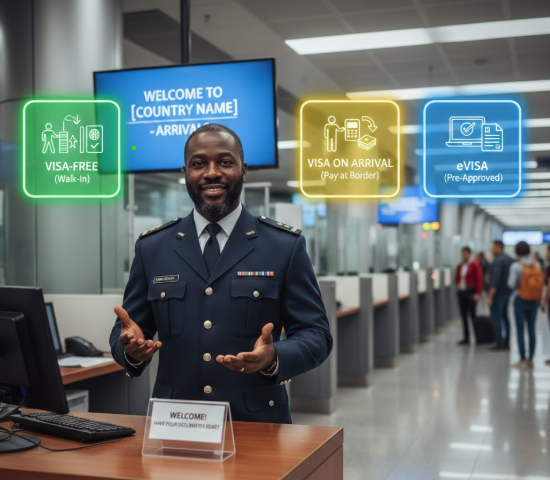
Table of Contents
- What Visa-Free vs Visa on Arrival vs eVisa really means
- Why Visa-Free vs Visa on Arrival vs eVisa matters
- Visa-Free travel (the simplest option)
- Visa on Arrival (convenient, but not guaranteed)
- eVisa (pre-approval online)
- Side-by-side comparison
- Documents you should have for every scenario
- Real-world examples by region
- The mistakes that get people denied boarding
- A simple decision framework
- FAQs
- Final checklist
What Visa-Free vs Visa on Arrival vs eVisa really means
The phrase visa-free vs visa on arrival vs eVisa sounds like three versions of the same thing. They are not. They are three different entry systems with different risks, costs, and required documents. If you misunderstand visa-free vs visa on arrival vs eVisa, you can get stuck in the worst possible place: the airline desk, before you even board.
Here is the clean definition:
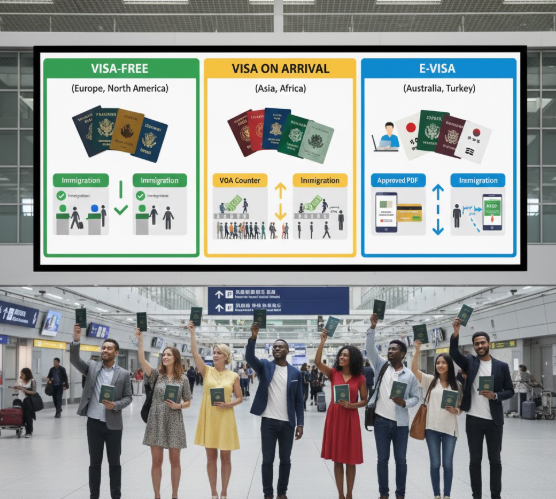
- Visa-free: no visa application is required. You enter with a passport stamp (if your passport qualifies).
- Visa on Arrival: you apply at the airport after landing and may pay a fee. Approval is not guaranteed.
- eVisa: you apply online before travel and get approval by email or PDF, then you present it at check-in and immigration.
This guide repeats visa-free vs visa on arrival vs eVisa intentionally because that is exactly what Rank Math measures. More importantly, it is the exact confusion travelers face every day.
Why Visa-Free vs Visa on Arrival vs eVisa matters more than most travelers think
Airlines and immigration officers do not follow blog posts, TikTok videos, or old forum threads. They follow official entry rules for your passport and destination on the day you travel. That is why visa-free vs visa on arrival vs eVisa is not a “nice-to-know” topic. It decides whether you board and whether you enter.
Airlines can deny boarding if they believe you will be refused entry. If you lose the flight, that is usually on you, not on them. Understanding visa-free vs visa on arrival vs eVisa reduces that risk.
If you want a quick starting point, use the FlyFono internal tool and then verify using official sources if anything looks unclear: Visa Requirements Checker.
1) Visa-Free travel: the best outcome in Visa-Free vs Visa on Arrival vs eVisa
Visa-free means you do not apply for a visa before travel, and you do not buy a visa at the airport. You simply enter (if eligible) and receive a stamp. In visa-free vs visa on arrival vs eVisa, visa-free is the lowest-risk option.
How visa-free entry works
- Arrive at immigration.
- Present your passport and any required supporting documents.
- Receive an entry stamp for a permitted number of days.
Typical visa-free conditions
- Passport validity: commonly 6 months minimum
- Proof of onward travel: return or onward ticket
- Proof of accommodation: hotel booking or address
- Sometimes proof of funds
What travelers get wrong
A common mistake is assuming visa-free means unlimited time. It does not. Overstaying can lead to fines, deportation, or bans. This is one reason visa-free vs visa on arrival vs eVisa must be understood early, not at the airport.
2) Visa on Arrival: the risky option in Visa-Free vs Visa on Arrival vs eVisa

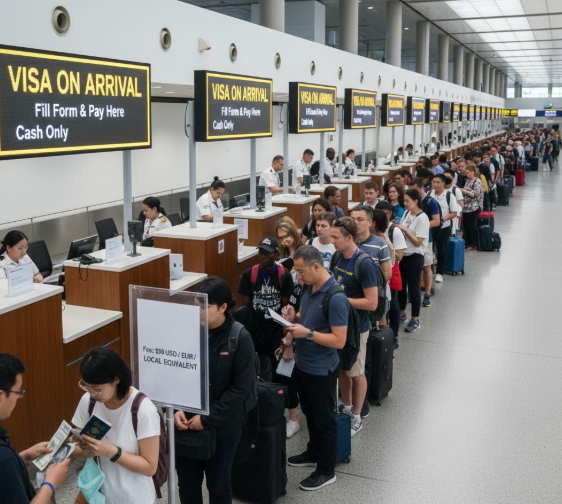
Visa on Arrival means you request a visa at the airport after landing. You may need photos, forms, and a fee. In visa-free vs visa on arrival vs eVisa, Visa on Arrival is the option most likely to create delays and uncertainty.
How Visa on Arrival works
- Land at your destination.
- Queue at the Visa on Arrival counter.
- Submit documents and pay the visa fee (cash is often required).
- Receive a visa sticker or stamp.
- Proceed to immigration for entry clearance.
Typical requirements for Visa on Arrival
- Passport photos (sometimes required even when you think they are not)
- Confirmed accommodation
- Return or onward ticket
- Visa fee (cash or card depending on the airport)
- Sometimes proof of funds
The real risks people ignore
Visa on Arrival is not “automatic.” If your documents are incomplete, if the airport does not support it, or if rules changed, you can be denied. That is why visa-free vs visa on arrival vs eVisa matters: Visa on Arrival is the least predictable option for families, tight schedules, or expensive non-refundable bookings.
3) eVisa: the safest paid option in Visa-Free vs Visa on Arrival vs eVisa
An eVisa is a visa you apply for online before travel. You typically upload your passport, complete a form, and pay online. You receive approval by email or PDF and present it at check-in and on arrival. In visa-free vs visa on arrival vs eVisa, eVisa is usually the best option when you are not eligible for visa-free entry.
How eVisa works
- Apply on the official government website.
- Upload documents and pay online.
- Receive approval confirmation.
- Show the approval at airline check-in and immigration.
Why eVisa reduces risk
The key advantage is pre-approval. If something is wrong, you often find out before you fly. That is exactly why visa-free vs visa on arrival vs eVisa favors eVisa over Visa on Arrival for higher-stakes trips.
eVisa traps to avoid
- Using unofficial sites that overcharge
- Typing your passport number incorrectly
- Applying too late
Side-by-side comparison: Visa-Free vs Visa on Arrival vs eVisa
If you want the fastest way to decide, use this table. It summarizes visa-free vs visa on arrival vs eVisa using practical factors, not marketing language.
| Factor | Visa-Free | Visa on Arrival | eVisa |
|---|---|---|---|
| Apply before travel | No | No | Yes |
| Where approval happens | At immigration (stamp) | At airport counter | Online before travel |
| Typical cost | Free | Paid on arrival | Paid online |
| Speed on arrival | Fast | Often slow | Usually fast |
| Risk of denial | Lowest | Medium to high | Low |
| Best for | Short leisure trips | Flexible last-minute trips | Family trips and planned travel |
If you remember only one thing from visa-free vs visa on arrival vs eVisa, remember this: visa-free is best when you qualify, eVisa is the safest paid option, and Visa on Arrival is the most uncertain.
Documents you should have for Visa-Free vs Visa on Arrival vs eVisa
Many travelers get denied boarding because they focus only on the visa type and forget the supporting documents. Regardless of visa-free vs visa on arrival vs eVisa, these are the documents that solve most airport problems:
- Passport valid for at least 6 months
- Return or onward ticket
- Hotel booking confirmation (or address of stay)
- Travel insurance if the destination requires it
- Proof of funds if requested (bank screenshot can help, but printed evidence is safer)
- Printed eVisa approval (even if digital is accepted)
If you want to reduce uncertainty in visa-free vs visa on arrival vs eVisa, carry printed copies. It feels old-school, but it works.
Real-world examples: Visa-Free vs Visa on Arrival vs eVisa by region
Travelers get confused because different regions use different systems. Seeing examples makes visa-free vs visa on arrival vs eVisa easier to remember.
Asia
Asia changes rules frequently, so always verify close to departure. Use official sources and your airline requirements. Here are credible starting points:
- Thailand embassy portal: Royal Thai Embassy
- Japan foreign affairs: Ministry of Foreign Affairs of Japan
- Vietnam immigration: Vietnam Immigration Department
These examples show why visa-free vs visa on arrival vs eVisa matters: some countries have visa-free options for certain passports, others push eVisa, and many do not provide true Visa on Arrival for tourists.
Europe (Schengen)
Schengen operates as one travel zone and generally does not offer Visa on Arrival for tourists. If you need a Schengen visa, you apply in advance. Official reference: European Commission. This is a classic case where visa-free vs visa on arrival vs eVisa simplifies your decision: you either qualify visa-free or you apply before travel.
Middle East
Many Middle East airports are efficient, but rules are enforced strictly. Official references: UAE ICP and Türkiye MFA. Again, visa-free vs visa on arrival vs eVisa matters because some travelers assume Visa on Arrival exists everywhere when it does not.
Americas (ESTA and eTA)
The United States and Canada commonly use digital travel authorizations for eligible passports. Start here: U.S. Department of State and IRCC. Treat these as part of visa-free vs visa on arrival vs eVisa decision-making because eligibility still determines whether you can board.
The mistakes that cause Visa-Free vs Visa on Arrival vs eVisa disasters
- Assuming Visa on Arrival is guaranteed. It is not.
- Using unofficial eVisa websites. This is a common scam trap.
- Overstaying a visa-free entry. One extra day can be expensive.
- No onward ticket. Some airlines will block boarding.
- Passport validity too short. Six months is a common rule.
- Wrong details on eVisa. A single typo can invalidate approval.
Most of these problems are avoidable if you treat visa-free vs visa on arrival vs eVisa as a checklist, not as a guess.
A simple decision framework for Visa-Free vs Visa on Arrival vs eVisa
Use this logic every time you book:
- If you qualify for visa-free, choose visa-free.
- If you do not qualify for visa-free, choose eVisa whenever available.
- Use Visa on Arrival only if you have confirmed eligibility for your airport and you have all documents ready.
If you are traveling with family or expensive bookings, do not rely on Visa on Arrival. In visa-free vs visa on arrival vs eVisa, that is the highest-risk choice.
FAQs
Is Visa on Arrival the same as visa-free?
No. Visa on Arrival requires you to apply at the airport and often pay a fee. Visa-free does not require a visa application. This difference is the core of visa-free vs visa on arrival vs eVisa.
Is eVisa safer than Visa on Arrival?
Yes. eVisa gives pre-approval before travel and reduces the risk of being denied after landing. In visa-free vs visa on arrival vs eVisa, eVisa is usually the safer paid option.
Can an airline deny boarding even if I qualify?
Yes. If you cannot prove eligibility (onward ticket, passport validity, required documents), an airline may deny boarding. That is why visa-free vs visa on arrival vs eVisa requires documents, not just labels.
What is the fastest option?
Visa-free is usually the fastest. eVisa is often faster than Visa on Arrival. This is a practical takeaway from visa-free vs visa on arrival vs eVisa.
Final checklist for Visa-Free vs Visa on Arrival vs eVisa
If you want to avoid airport surprises, run this quick checklist before you travel:
- I know whether my trip is visa-free, Visa on Arrival, or eVisa.
- My passport validity meets the destination rule (commonly 6 months).
- I have an onward or return ticket.
- I have accommodation proof.
- If I need an eVisa, I have the approval saved and printed.
The entire point of this guide is simple: visa-free vs visa on arrival vs eVisa is not a travel trivia question. It is a risk decision. Choose visa-free when you can, choose eVisa when you cannot, and treat Visa on Arrival as the backup option.
Want to double-check quickly before you book? Use the internal tool here: FlyFono Visa Requirements Checker.
One final practical tip: if your trip involves multiple countries, check entry rules for every stop, including transit points. Many travelers focus only on the final destination and forget that airlines may still enforce entry requirements during transit. If you treat visa-free vs visa on arrival vs eVisa as a system instead of a single rule, you will avoid the most expensive travel mistake: losing the flight before the journey even begins.
Understanding visa-free vs visa on arrival vs eVisa is not just about paperwork; it is about managing travel risk intelligently. Every year, thousands of travelers lose flights or face entry denial simply because they misunderstood visa-free vs visa on arrival vs eVisa rules for their passport and destination.
Visa-free entry is always the safest and fastest option when you qualify, eVisa is the most reliable paid alternative when visa-free is not available, and visa on arrival should be treated as a last-resort option that requires extra preparation.
If you approach visa-free vs visa on arrival vs eVisa as a decision framework rather than a technical detail, you will avoid airport surprises, protect your bookings, and start every trip with clarity instead of stress.
Continue planning
Your most useful next steps
Move from reading to one clear travel decision.
Pingback: Riyadh vs Dubai (2026): The Ultimate, Brutally Honest City Comparison - FlyFono
Pingback: 7 Brutally Useful Tips: Guide for Indians to Visit Australia (Visa, Cost & Food) - FlyFono
Pingback: 9 Smart Ways to Stay in Dubai on a Budget (Without Regret) - FlyFono
Pingback: 7 Facts on Middle East Flight Safety Right Now (No Panic, Just Reality) - FlyFono
Pingback: Ultimate Cambodia Visa on Arrival Guide (2026): Fees, eVisa vs VoA
Pingback: Thailand Visa for Indians: Requirements, Free Entry and Visa on Arrival (2026) - FlyFono