
The practical takeaway
Everest Base Camp Trek Itinerary: The Ultimate 2026 Guide (Full 12–14 Day Plan) Table of Contents Introduction Why This Everest Base Camp Trek Itinerary Works Route Overview Best Time to Trek Permits Required Day-by-Day 12–14 Day Everest Base Camp Trek Itinerary Costs…
Everest Base Camp Trek Itinerary: The Ultimate 2026 Guide (Full 12–14 Day Plan)
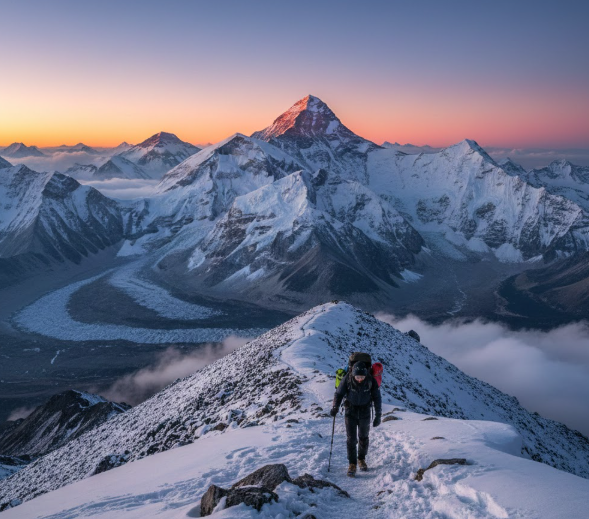
Table of Contents
- Introduction
- Why This Everest Base Camp Trek Itinerary Works
- Route Overview
- Best Time to Trek
- Permits Required
- Day-by-Day 12–14 Day Everest Base Camp Trek Itinerary
- Costs for 2026
- Accommodation and Food
- Packing List
- Acclimatization Strategy
- Safety and Health
- Fitness Preparation
- Weather Expectations
- Insurance Requirements
- How to Reach Lukla
- Flight Delays and Backup Plans
- Guides and Porter Options
- Trekking Solo vs Guided
- Mandatory Equipment Checks
- Environmental Considerations
- Why Trekkers Fail
- Conclusion
1. Introduction
The Everest Base Camp trek itinerary is one of the most popular high-altitude trekking plans in the world. Thousands of trekkers follow this route every year, yet many underestimate the climb, the altitude, the weather, and the need for proper acclimatization. A poorly structured itinerary increases the risk of altitude sickness, injuries, and failure. A well-designed Everest Base Camp trek itinerary does the opposite: it increases safety, maximizes enjoyment, and improves the probability of reaching Base Camp without complications.
This article provides a Everest Base Camp trek itinerary specifically designed for 2026. This is a realistic and safe plan, not a fantasy schedule created to sell packages. It is based on actual walking times, real acclimatization science, and current trail conditions.
2. Why This Everest Base Camp Trek Itinerary Works
Most problems on the trail come from rushing. Trekkers push too quickly from Namche to Tengboche or Dingboche without letting the body adjust. This Everest Base Camp trek itinerary solves that problem by following international altitude guidelines:
- No more than 500 metres sleeping elevation gain per day above 3000 metres
- Purpose-built acclimatization days
- A gradual rate of ascent
- Planned hydration and rest cycles
- Extra buffer days for safety
This is not a marketing itinerary. It is the safest and most sustainable plan for 2026.
3. Route Overview
The Everest Base Camp trail follows a simple but demanding progression:
Lukla → Phakding → Namche → Tengboche → Dingboche → Lobuche → Gorak Shep → Everest Base Camp → Kala Patthar → Pheriche → Namche → Lukla
Your Everest Base Camp trek itinerary will cover approximately 130 km round-trip. The terrain includes steep inclines, rocky paths, glacial moraine, and long suspension bridges that cross deep river valleys.
4. Best Time to Trek
Two seasons are ideal for this itinerary:
Spring (March to May)
Stable weather, mild temperatures, and clear views. Rhododendron forests bloom, adding colour to the trail.
Autumn (September to November)
The peak period. Crisp skies, perfect visibility, and excellent trail conditions.
Avoid:
- June to August (heavy monsoon, poor visibility, flight cancellations)
- December to February (temperatures drop to –20°C at night above Dingboche)
5. Permits Required
You need two permits, and without them you will be stopped at checkpoints.
- Khumbu Pasang Lhamu Rural Municipality Permit – NPR 2000
- Sagarmatha National Park Permit – NPR 3000
TIMS is no longer required for this route.
Learn more about Sagarmatha National Park guidelines: https://whc.unesco.org/en/list/120
Permit checks happen at Lukla, Monjo, Namche, and several points farther up. This Everest Base Camp trek itinerary is designed for safe acclimatization and realistic daily trekking distances.
6. The Full 12–14 Day Everest Base Camp Trek Itinerary
Day 1: Fly to Lukla (2,845 m) → Trek to Phakding (2,610 m)
The adventure starts with one of the most dramatic flights in the world. Lukla Airport is a short, high-altitude runway that requires precise flying.
The trek to Phakding is intentionally short. It is designed to keep the body comfortable on the first day. Do not push hard. Eat lightly and hydrate.
Day 2: Phakding → Namche Bazaar (3,440 m)
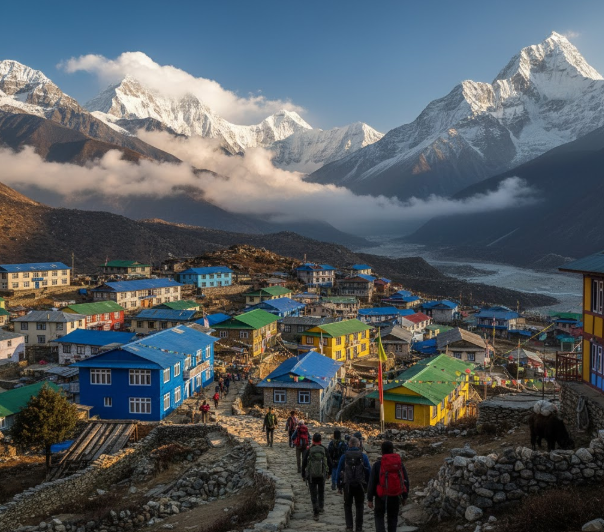
This is the first significant ascent of the Everest Base Camp trek itinerary. The path crosses several suspension bridges, including the iconic Hillary Bridge. The final climb to Namche is steep and demanding.
Namche is the largest Sherpa town in the region, filled with bakeries, gear shops, and incredible views of surrounding peaks.
Day 3: Acclimatization Day in Namche Bazaar
This is mandatory. Your itinerary must include acclimatization here.
Do a short hike to:
- Everest View Hotel
- Khumjung Village
- Khunde Village
These hikes help your body adapt to altitude without stressing your system.
Day 4: Namche Bazaar → Tengboche (3,870 m)
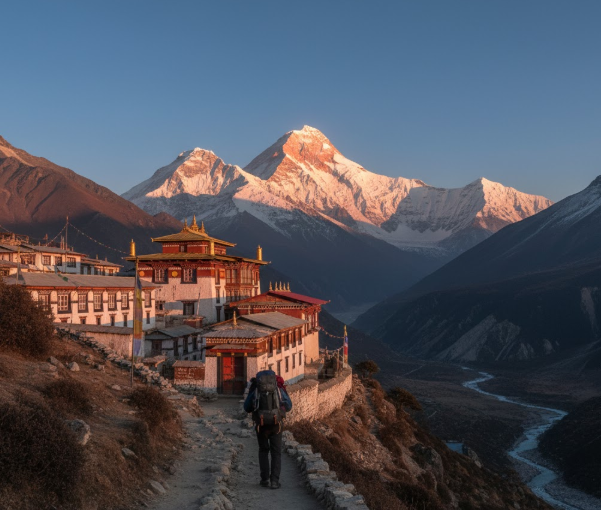
The trail descends to the Dudh Koshi River and then climbs steeply through forests. The famous Tengboche Monastery offers panoramic views of Everest, Lhotse, Ama Dablam, and Thamserku.
This is one of the most scenic points of the entire Everest Base Camp trek itinerary.
Day 5: Tengboche → Dingboche (4,410 m)
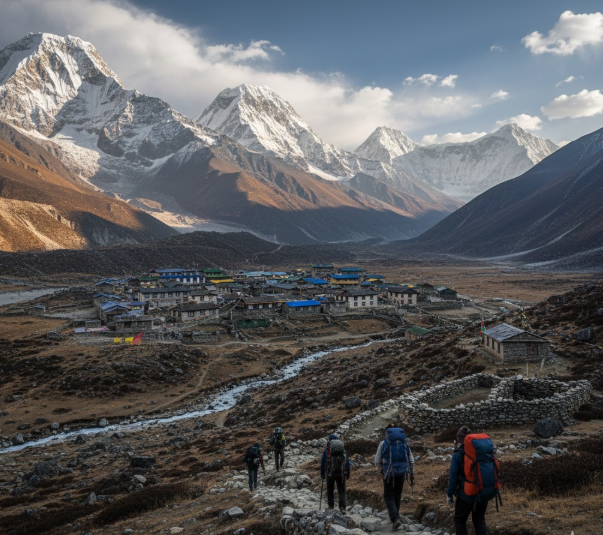
The terrain opens up, and you will begin to feel the thinning air. Dingboche is a wide valley village surrounded by farmland and mountain slopes. Expect the temperature to drop significantly at night.
Day 6: Acclimatization Day in Dingboche
Climb to Nangkartshang Peak or any local ridge. You gain altitude during the day and return to sleep lower, which is the safest acclimatization strategy.
This day improves your chances of finishing the Everest Base Camp trek itinerary without altitude sickness.
Day 7: Dingboche → Lobuche (4,910 m)
The path climbs gradually to Thukla, then sharply to the memorial area dedicated to climbers lost on Everest. The emotional impact of this location is significant.
Lobuche is colder, windier, and more exposed.
Day 8: Lobuche → Gorak Shep → Everest Base Camp (5,364 m)
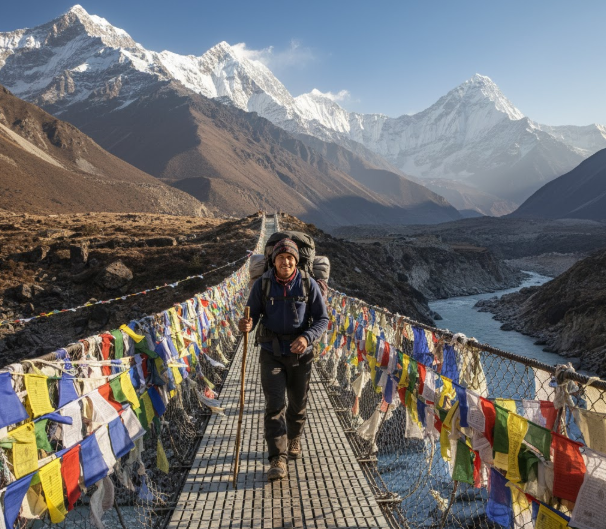
This is the day every trekker anticipates. The trail from Lobuche to Gorak Shep is rocky and uneven. After dropping your bags, the final stretch to Everest Base Camp follows the Khumbu Glacier.
Base Camp itself is not a viewpoint for Everest, but the atmosphere is unmatched. You stand on the staging point of the world’s most dangerous climbing expedition.
Day 9: Gorak Shep → Kala Patthar (5,545 m) → Pheriche
Kala Patthar provides the best sunrise views of Mount Everest. The climb is steep but short. After the ascent, you descend all the way to Pheriche for the night.
Day 10: Pheriche → Namche Bazaar
Long descent. Your knees will feel the impact. Take breaks as needed.
Day 11: Namche Bazaar → Lukla
This is a full-day descent with several steep sections. You return to Lukla to end the trekking portion.
Day 12: Fly Back to Kathmandu
Weather is unpredictable. Keep one buffer day in case flights are delayed.
Optional 13–14 Day Extended Everest Base Camp Trek Itinerary
You can extend:
- One extra day in Namche (smart for beginners)
- One buffer day in Kathmandu after the trek
7. Cost Breakdown for 2026
You want realistic numbers, not tourist-trap prices. These are grounded estimates.
| Category | Cost (USD) |
|---|---|
| Guide | 25–30/day |
| Porter | 20–25/day |
| Accommodation | 5–15/night |
| Meals | 25–40/day |
| Lukla Flights | 180–220 one way |
| Permits | 50 total |
| Misc (Wi-Fi, charging, snacks) | 20–40 |
Total expected cost for the entire Everest Base Camp trek itinerary:
USD 1,100–1,600
8. Accommodation and Food
Tea houses offer basic rooms, often unheated. Expect:
- Twin-bed wooden rooms
- Shared bathrooms
- Extra charges for hot showers
- Heavier meals at higher altitudes
- Dal Bhat as the safest, most nutritious option
9. Packing List
Items you actually need, not the tourist-shop upsells:
- Down jacket (rated –10°C)
- Three base layers
- Waterproof boots
- UV 400 sunglasses
- Gloves (inner + outer)
- 2L hydration bladder
- Trekking poles
- Power bank
- Headlamp
- First aid kit
- Water purification tablets
- Diamox (only after consulting a doctor)
10. Acclimatization Strategy
You want a zero-nonsense explanation.
- Drink 3–4 litres of water daily
- Gain altitude slowly
- Never ascend if you have persistent headache
- Avoid alcohol until descent
- Sleep well and eat properly
- Follow the acclimatization days in this itinerary exactly
- Following a structured Everest Base Camp trek itinerary reduces altitude risks and improves your chances of reaching Base Camp successfully.
11. Safety and Health
Altitude is the greatest threat. Symptoms include:
- Headache
- Nausea
- Insomnia
- Dizziness
- Loss of appetite
If symptoms worsen, you must descend. Do not gamble with your life.
12. Fitness Preparation
You do not need extreme fitness, but you need:
- 30–60 minutes of walking daily
- Stair climbing practice
- Leg strength workouts
- Cardiovascular training
Prepare for long days, not technical climbing.
13. Weather Expectations
Expect:
- Cold nights
- Wind chill above Dingboche
- Occasional snow in April
- Harsh sunlight
- Fast weather changes near Base Camp
Dress in layers.
14. Insurance Requirements
You must choose insurance that covers:
- High-altitude trekking
- Helicopter evacuation
- Acute Mountain Sickness treatment
Most normal travel insurance policies exclude this.
15. How to Reach Lukla
The most common option is:
- Domestic flight from Ramechhap Airport
- Seasonal flights from Kathmandu during shoulder months
Both depend heavily on weather.
16. Flight Delays and Backup Plans
Delays can range from hours to several days. You must keep at least one buffer day at the end of the itinerary.
17. Guides and Porter Options
Hiring a guide is not a luxury. It is a safety strategy. A porter reduces physical strain significantly at altitude.
18. Trekking Solo vs Guided
Going without a guide is possible but unnecessary risk. Navigation is simple, but altitude complications are not.
19. Mandatory Equipment Checks
Tea houses sometimes require equipment checks to ensure trekkers are carrying proper cold-weather gear.
20. Environmental Considerations
Carry all plastics back. Use refillable bottles. Do not leave tissues on the trail. Respect local culture and monastery rules.
21. Why Trekkers Fail
- Rushing the ascent
- Underestimating altitude
- Poor fitness
- Inadequate gear
- Ignoring symptoms
This Everest Base Camp trek itinerary eliminates most of these issues.
Recommended Travel Essentials for Your Everest Base Camp Trek
- Get a Nepal eSIM for only 4 USD (Saily)
- Buy a Nepal eSIM with instant activation (Airalo)
- Book tours, airport transfers, and Lukla flight options on Klook
- High-altitude trekking insurance (Ekta Traveling)
- Affordable travel insurance with Radical Storage partners
22. Conclusion
The Everest Base Camp trek itinerary above provides a complete day-by-day plan for 2026. It includes acclimatization schedules, trekking distances, realistic walking times, and strategic safety advice. This itinerary approaches the trek scientifically rather than emotionally, focusing on pacing, altitude management, and the essential routines that allow trekkers to reach Base Camp successfully.
If you are planning a Himalayan adventure, this Everest Base Camp trek itinerary gives you the safest and most reliable framework for tackling high altitude. It explains each day of the Everest Base Camp trek itinerary clearly, shows how to adjust to elevation gain, and provides realistic expectations for trekking conditions in 2026. Use this Everest Base Camp trek itinerary to plan daily distances, prepare for permits, manage weather risks, and train properly. A structured approach dramatically increases your chance of reaching Base Camp without altitude issues, and this detailed Everest Base Camp trek itinerary is designed to support that goal from start to finish.
For smarter route planning, try our AI Trip Planner here: https://flyfono.com/trip-planner/
Continue planning
Your most useful next steps
Move from reading to one clear travel decision.
Pingback: Planning a Trip to Bali: The Ultimate 2025–2026 Guide for an Unforgettable Holiday - FlyFono